Englewood winters push wildlife and crawling pests toward warm, dry shelter, and that seasonal shift is the main reason homeowners see more indoor pest activity between late fall and early spring. This guide explains which winter pests are most likely to invade Englewood homes, how they get inside, and the practical steps you can take immediately to reduce risk and damage. By the end you will know how to spot common invaders such as mice, rats, cockroaches, and overwintering spiders, what evidence to look for, and which DIY fixes are high-impact versus when professional exclusion is the safer route. The article also covers attic insulation’s role as a pest barrier, clear checklists for sealing and sanitation, and the signs that indicate urgent intervention is needed. Read on for a local, eco-conscious approach to winter pest proofing and the next steps to arrange a professional estimate if you want help with repairs or exclusion.
This introduction frames the problem and previews the main sections: identification of common winter pests, how infestations start, homeowner prevention tactics including insulation considerations, why Clearview Pest Control Inc. is a relevant local option, and how to request a free estimate or schedule service in Englewood. The guidance that follows draws on widely accepted integrated pest management concepts and regional pest behavior patterns relevant to Englewood, NJ. Practical checklists and tables summarize detection signs, simple fixes, and when to escalate to professional exclusion services. With this roadmap, you’ll be able to prioritize quick wins that reduce pest-attracting conditions while understanding the limits of DIY work.
What are the most common winter pests in Englewood homes?
Winter pests are species that seek warmth, shelter, or food inside homes during cold months, and they can be grouped by behavior and the risks they pose. Understanding which pests remain active indoors in winter helps prioritize detection and response, since some cause structural damage while others pose health risks. Below are concise profiles of the pests most commonly found in Englewood homes during winter, each entry explaining typical signs, primary risks, and a practical prevention tip to reduce likelihood of infestation. This quick-reference format is optimized for homeowners who need fast identification and next-step guidance.
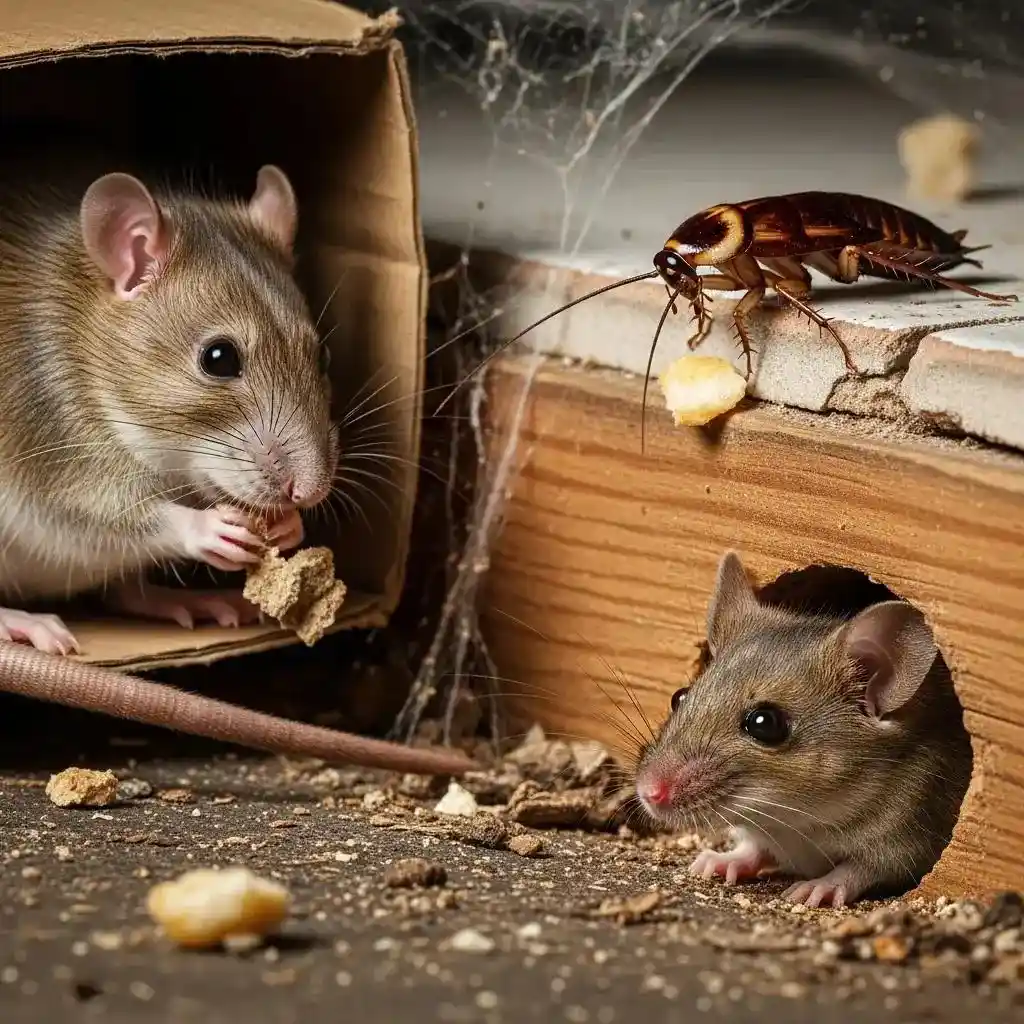
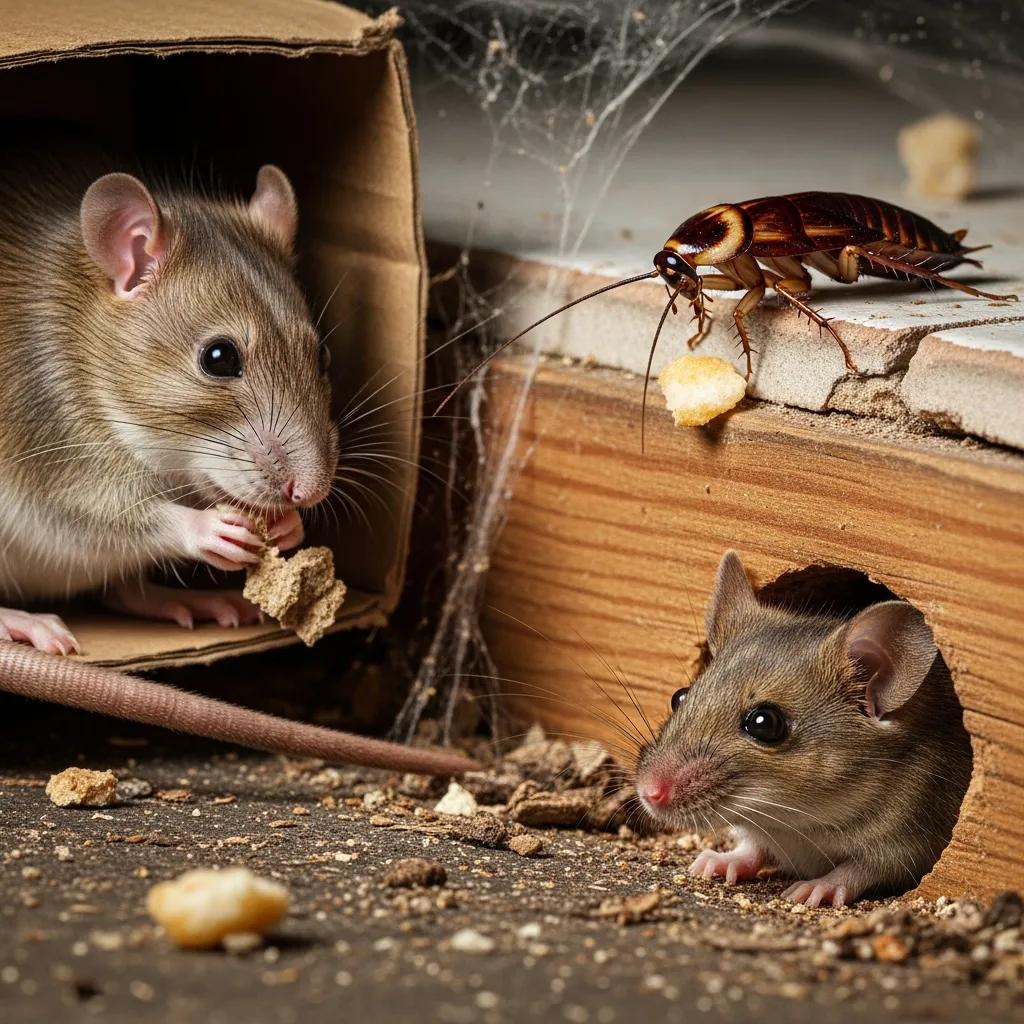
Common winter pests in Englewood include the small rodents that nest in attics and walls, cockroaches that thrive in warm indoor niches, spiders and some ant species that remain active near heat sources, and occasional wildlife (squirrels, raccoons) that exploit access points. Each pest behaves differently: rodents gnaw and nest in insulation, cockroaches contaminate food surfaces, and carpenter ants or termites may indicate structural vulnerabilities. Recognizing the difference between a transient sighting and an established infestation determines whether immediate DIY action suffices or professional control is required, which we’ll cover next.
Intro to the summary table: The table below provides a compact EAV-style reference for quick comparison among the most common winter invaders, their telltale signs, primary risks, and a starter prevention action you can take today.
This table helps you match observed signs to the likely pest and immediate mitigation steps; the next section explains how these pests typically enter Englewood homes during winter so you can target repairs.
Rodents in winter: mice, rats, and squirrels
Rodents are the most common winter invaders because they seek insulated nesting sites and reliable food sources inside homes, with attics, crawlspaces, and wall voids serving as primary refuges. Mice leave small (about 1/4 inch) pellet-like droppings and greasy rub marks along baseboards, while Norway rats produce larger droppings and more obvious gnaw damage; squirrels often announce themselves with daytime attic noises and shredded insulation. Beyond contamination and odor, rodents pose significant fire risk by chewing electrical wiring and can introduce parasites and pathogens into living spaces. Immediate DIY steps include setting snap traps in likely runways and removing easy food sources, but persistent activity, visible gnawing of wiring, or multiple entry points typically require professional exclusion to prevent recurrence.
These identification cues set up the core exclusion steps homeowners should take next: sealing the points of entry and assessing insulation contamination. The following insect-focused subsection explains which crawling pests remain active and how to recognize their evidence.
Cockroaches, spiders, ants, and termites in cold months
Certain insects remain active indoors during winter because buildings provide warmth and moisture: cockroaches, some ant species, and house spiders are common examples, while subterranean termites may continue to pose a structural threat if conditions permit. Cockroaches announce themselves through night sightings, greasy spotting, dark pepper-like droppings, and a characteristic musty odor, and they spread bacteria and allergens. Spiders are often passive occupants that feed on other insects, and their presence can indicate another pest problem; carpenter ants produce sawdust-like frass and active wooden damage, while termites leave mud tubes or hollowed wood. Key mitigations include rigorous sanitation to eliminate food residues, targeted baits for cockroaches, moisture control to reduce habitat for ants and termites, and professional inspection when wood damage or mud tubes are discovered.
Knowing these insect signs leads naturally to an inspection for structural vulnerabilities that allow pests inside, which the next H2 covers in detail.
How do Englewood homes typically become infested in winter?
Pests enter homes through structural gaps and by exploiting routine human behaviors that create food or nesting opportunities; in winter, the driving mechanism is shelter-seeking combined with any available food and moisture. Foundation cracks, utility penetrations, attic vents, chimney openings, and compromised door and window seals are common physical entry points that rodents, insects, and small wildlife exploit to bypass exterior cold. Behavioral factors such as outdoor garbage left near foundations, improperly stored pet food, or cluttered basements elevate attractants and make a property more likely to host an infestation. Identifying and prioritizing fixes for the most accessible entry points reduces the probability of continued pest pressure and limits the scale of required interventions.
Below is a focused checklist-style list of the most common entry points and the mechanism by which pests use them to get indoors.
Foundation cracks and gaps: Pests squeeze through small openings at grade and climb into basements and wall cavities.
Utility gaps and pipe penetrations: Flexible gaps around plumbing and electrical entries provide ready access into interior voids.
Door and window openings: Worn weatherstripping and gaps beneath exterior doors create easy ingress routes for rodents and insects.
After sealing visible openings, the next step is to check attics, chimneys, and vents for hidden access; the subsection that follows explains common sealing methods and when to call a professional for exclusion work.
Common entry points to seal: foundation cracks, utility gaps, and door/window openings
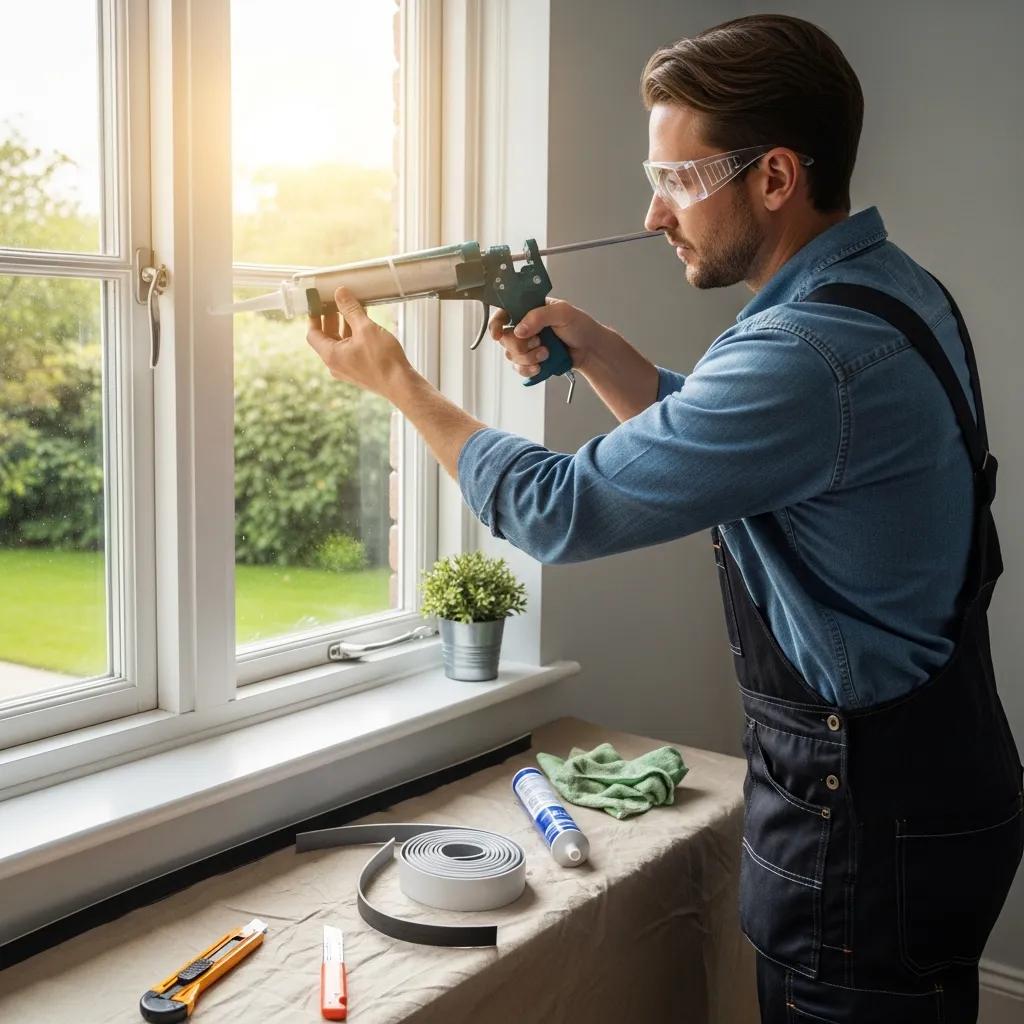
Foundation cracks around footings and along exterior walls are frequently exploited by Norway rats and small mammals, while mice can enter through gaps as small as a dime; sealing these requires durable materials like concrete patching for foundation cracks and metal flashing around vulnerable joints. Utility gaps around HVAC, electrical conduits, and plumbing should be closed with pest-resistant materials—steel wool backed by caulk or commercial foam rated for rodent exclusion—because soft materials degrade and invite return visits. For doors and windows, replace worn weatherstripping, install threshold plates where gaps are visible, and ensure screens and door sweeps fit snugly; these relatively low-cost repairs significantly reduce insect and small-rodent entry. When gaps are large, in concealed locations, or accompany active infestation evidence, a professional exclusion assessment ensures comprehensive sealing that addresses structural and safety concerns.
Sealing interior openings transitions directly to monitoring and evidence collection, which helps you know whether sealing worked or further measures are needed; the next subsection lists the signs to watch for during and after repairs.
Signs of winter pest activity to watch for
Early detection depends on recognizing a short list of clear, observable signs: droppings and urine stains, fresh gnaw marks on wood or wiring, insulation disturbance, persistent nocturnal noises in attics or walls, and strange odors that suggest a hidden nest or long-standing infestation. Document observed signs with photos and location notes, avoid disturbing contaminated insulation or droppings directly, and use gloves and a mask when necessary to limit exposure to pathogens; if you suspect rodent urine contamination, professional cleanup is safer. Some signs—like gnawed wiring or large nests—indicate urgent professional intervention because they pose immediate safety risks such as fire or significant structural damage. Monitoring for changes after initial sealing and cleanup helps confirm whether entry points were successfully closed or reopened by persistent pests.
Recognizing these signs prepares you to act: the next H2 focuses on effective homeowner prevention steps including DIY measures and how insulation functions as a pest barrier.
How can homeowners prevent winter pest problems?
Preventing winter pest problems combines targeted sanitation, prioritized sealing, moisture control, and regular inspection cycles; these preventive actions reduce attraction and entry opportunities while improving home comfort and energy efficiency. A practical prevention plan starts with removing accessible food and water sources, then sealing high-risk openings and maintaining attic/crawlspace insulation to deny nesting sites. Insulation serves a dual role by keeping living spaces warm and filling voids that pests might otherwise exploit, but contaminated or compressed insulation can harbor nests and must be addressed promptly. The checklist and comparison table below outline DIY actions homeowners can implement immediately and highlight when professional exclusion or insulation assessment is the more effective path.
DIY prevention checklist intro paragraph: The numbered checklist below lists high-impact tasks you can complete now to lower winter pest risk quickly, with brief notes on why each works.
Seal visible gaps: Close cracks and utility gaps with durable materials to block entry.
Remove food attractants: Store pantry items in sealed containers and limit pet food left out overnight.
Install door sweeps and replace weatherstripping: Prevent entry at ground-level openings where rodents and insects enter.
Control moisture: Fix leaks and use dehumidifiers in basements to remove favorable conditions for ants and cockroaches.
Declutter storage areas: Reduce nesting sites by keeping boxes off the floor and using plastic bins.
Inspect attic and crawlspaces: Look for droppings, chew marks, and damaged insulation on a monthly winter schedule.
Summary paragraph after list: These practical tasks target both attractants and entry routes and typically cost little in materials or time; performing them reduces immediate risk and clarifies whether professional exclusion is necessary, which we explore in the comparison table below.
Intro to prevention EAV table: The following table compares common homeowner prevention actions against professional exclusion approaches and notes effectiveness and when to call a pro.
Prevention Action
Effectiveness / Notes
When to Call a Pro
DIY sealing (weatherstrips, foam)
High for small gaps; low-cost, immediate
Call pro if gaps are structural or in concealed areas
Sanitation & storage
High for insects and rodents; requires consistency
Pro not required unless infestation persists
Traps and baits
Moderate; effective for limited rodent populations
Use a pro for heavy activity or safety concerns
Insulation inspection/repair
Prevents nesting; improves energy efficiency
Call professional for contaminated or damaged insulation
Full exclusion (repairs/flashing)
Very high; long-term prevention
Professional exclusion recommended for recurring problems
Summary paragraph after table: Use DIY measures as first-line defenses and plan professional exclusion when physical repairs, large infestations, or insulation contamination are present; next we briefly discuss how attic insulation functions as a pest barrier and the signs that merit replacement or professional cleanup.
DIY prevention tips you can apply now
Start with straightforward, prioritized tasks that take little time but reduce pest attractants significantly: seal visible gaps around utilities and doors, store dry food in airtight containers, remove outdoor debris and stacked firewood from close proximity to exterior walls, and repair any roof or gutter leaks that create damp areas. Use snap traps or enclosed bait stations for limited rodent problems, and apply gel baits or roach traps in kitchen voids for cockroach activity—always follow label safety and keep baits away from children and pets. Estimate materials costs at under $50 for basic sealing and weatherstripping, and set aside one weekend to implement the core tasks; repeated checks through winter sustain the benefit. If you find persistent droppings, nesting, or fresh gnawing after these steps, escalate to professional services for exclusion and cleanup.
These DIY tips lead into a focused look at insulation’s role as both a barrier and a potential indicator of infestation, discussed next.
Insulation as a pest barrier: how attic insulation helps and why it matters
Attic and crawlspace insulation acts as both thermal protection and a physical buffer that reduces the desirability of these voids as nesting sites, because properly installed insulation eliminates drafty pockets that attract pests seeking stable microclimates. Damaged or contaminated insulation—evidenced by soiling, shredded batts, or concentrated droppings—signals past or ongoing rodent activity and reduces insulation performance, which increases heating costs and health risks from allergens. When insulation is compromised, effective remediation includes removal of contaminated material, sanitation of the space, and installation of pest-resistant materials where appropriate; professional assessment ensures safe handling of contaminated insulation. Regular inspection for insulation condition during late fall and mid-winter helps catch problems early and informs whether exclusion repairs or insulation replacement are required.
Research further supports the critical role of proper attic insulation and airtightness in preventing pest infestations and improving overall home performance.
Airtight Attics for Home Pest Prevention
In the past, many sealed and insulated attics were constructed with insufficient insulation levels (~R-20) and with too much air leakage to outside, leading to poor thermal performance. To ensure high performance, sealed and insulated attics in new California homes should be insulated at levels at least equivalent to the flat ceiling requirements in the code, and attic envelopes and ducts should be airtight.
A Literature Review of Sealed and Insulated Attics—Thermal, Moisture and Energy Performance, I Walker, 2016
Explaining insulation’s protective role naturally brings us to local professional resources that can perform exclusion and insulation assessments, which we describe in the next.
Why choose Clearview for winter pest control in Englewood?
Clearview Pest Control Inc. is a locally owned pest and wildlife control company serving homeowners across New York and New Jersey, including Englewood, and positions itself as an information hub that supports lead generation for professional exclusion and maintenance services. The company emphasizes safe, effective, and environmentally responsible solutions and offers comprehensive pest control and exclusion services targeted at winter invaders such as rodents, cockroaches, and wildlife. Clearview promotes free estimates and seasonal maintenance plans named Silver, Gold, and Platinum, and highlights service factors homeowners value in winter: licensed and insured technicians, 24/7 availability, a satisfaction guarantee, and eco-friendly or natural methods. For homeowners considering professional exclusion, Clearview’s locally focused service model aims to combine inspection, sealing and repair, and ongoing maintenance to reduce recurrence.
The overview below explains Clearview’s general Integrated Pest Management approach and the company’s plan structure in a compact format so homeowners can compare options and decide whether to request a free estimate.
Integrated Pest Management approach and environmentally responsible solutions
Integrated Pest Management (IPM) is a stepwise approach that emphasizes inspection and prevention first, using targeted treatments only when necessary to lower pest populations while minimizing environmental impact. In practice, IPM involves thorough inspection to identify entry points and attractants, exclusion and sanitation to remove conditions that support pests, and the use of targeted, low-toxicity controls—such as baiting or localized application—only when monitoring shows they are needed. Clearview indicates a preference for eco-friendly and natural methods where practical, coupling mechanical exclusion and habitat modification with minimal chemical use to protect families and pets. This focus on prevention and targeted response reduces long-term recurrence and complements homeowner actions described earlier.
The effectiveness of Integrated Pest Management, particularly for common household pests like cockroaches, is well-documented in scientific studies.
Effective Integrated Pest Management for Cockroaches
Integrated Pest Management (IPM) has been shown to be an effective approach for managing these pests, yet practice of IPM in housing communities is very limited. We evaluated the effectiveness of a contractor-led bed bug IPM program and researcher-led cockroach IPM program in a high-rise apartment building for 1 yr.
Effectiveness of building-wide integrated pest management programs for German cockroach and bed bug in a high-rise apartment building, C Wang, 2019
This IPM explanation sets the stage for choosing an appropriate seasonal plan, summarized next with a simple comparison of the company’s service tiers and what situations they’re typically best for.
Clearview’s seasonal plans and free estimates
Clearview offers seasonal maintenance plans named Silver, Gold, and Platinum, and provides free estimates to assess a property’s needs and recommend the right plan, exclusion repairs, or one-time treatments. The table below concisely compares plan names and general best-use cases so homeowners can match service level to risk and budget without committing prematurely to a program.
Service Plan
What’s Included
Best For
Silver
Seasonal inspections and targeted treatments as needed
Homeowners with minimal past pest history seeking baseline protection
Gold
Regular seasonal service visits plus prioritized exclusion checks
Homes with occasional pest return or medium risk due to structure/landscape
Platinum
Comprehensive seasonal maintenance with exclusion follow-up and repairs
Properties with recurring infestations or high risk from wildlife/structural gaps
After comparing plans, homeowners can request a free estimate to get a tailored recommendation for exclusion or maintenance; the next section explains what to expect during that estimate and how scheduling works in Englewood.
How to take action now: get a free estimate and schedule service in Englewood
If you decide professional help is warranted—especially for active rodent infestations, damaged insulation, or suspected structural entry points—start by requesting a free estimate so a trained technician can assess risk, document evidence, and recommend exclusion repairs or maintenance. A clear process for a free estimate typically includes on-site inspection of attics, crawlspaces, entry points, and common infestation sites, a written summary of findings with prioritized recommendations, and an estimate for any repairs or seasonal plan enrollment. Scheduling considerations in winter often include faster response for urgent safety issues and slightly longer lead times for comprehensive exclusion projects that require materials or multiple trades; planning ahead in late fall helps ensure repair work is completed before peak pest movement.
The subsections below outline the typical estimate walkthrough and practical scheduling tips for Englewood homeowners so you arrive prepared and know what decisions follow the inspection.
What to expect from a free pest estimate
During a free estimate, a technician inspects exterior and interior vulnerable areas—foundations, utility penetrations, attic and crawlspace insulation, doors and windows—and documents signs such as droppings, gnaw marks, mud tubes, or live pests. The inspector then discusses prioritized recommendations, separating immediate safety repairs (e.g., wiring exposed by gnawing) from preventative measures like weatherstripping or insulation remediation, and provides a written estimate outlining options and timelines. The estimate typically includes the cost and scope of exclusion repairs, suggested treatment steps if needed, and details about seasonal plan recommendations—if you prefer ongoing coverage. Understanding this process helps homeowners gather questions and photographic evidence beforehand, which speeds decision-making and clarifies next steps.
Knowing what an estimate covers helps when arranging service; the final subsection gives scheduling guidance and local considerations specific to Englewood.
Scheduling service in Englewood, NJ and nearby areas
Scheduling for winter pest work often balances urgency and weather: urgent safety repairs or active rodent removal are typically prioritized, while exclusion projects may be scheduled within a few days to a few weeks depending on scope and seasonal demand. Clearview and similar local providers serve Englewood and surrounding New Jersey and New York areas and emphasize availability for urgent calls along with seasonal maintenance options, so it’s practical to request an estimate early in the season to secure a slot for repair work. When preparing to schedule, have basic property information ready (type of structure, areas of concern, and any recent sightings) and ask about expected lead times for exclusion repairs versus routine visits. Requesting a free estimate provides the most accurate timeline and allows homeowners to compare DIY progress with professional recommendations before committing to work.
This completes the action-oriented guidance to identify, prevent, and—if necessary—hire professional help for winter pests in Englewood; use the checklists and tables above to prioritize immediate tasks and know when to request a free professional assessment.