Author
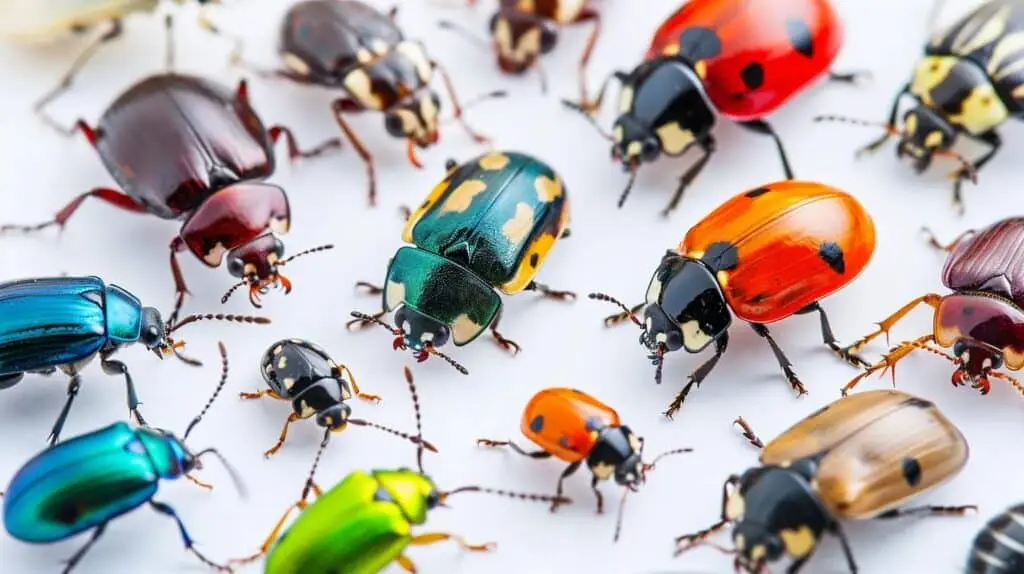

Common pests in Bayonne include rodents, ants, cockroaches, bed bugs, stinging insects, termites, mosquitoes, ticks, and occasional urban wildlife; each has distinct visual identifiers and one-line sign cues. These pests thrive in typical Bayonne microhabitats such as basements, attics, multi-unit gaps, and waterfront vegetation where standing water and clutter create breeding or nesting sites. Understanding the common species and where they appear helps prioritize inspections and immediate containment actions. The short list below targets featured-snippet style identification cues to make quick on-site recognition easier for homeowners.
Bayonne’s top pests with quick ID cues:
Intro to comparative table: The table below compares these pests by common signs and likely Bayonne entry points to help homeowners triage sightings and prioritize actions.
| Pest | Common Signs | Typical Bayonne Habitat / Entry Points |
|---|---|---|
| Rodents (mice, rats) | Dark pellet droppings, gnaw marks, nesting materials | Basements, attics, wall gaps, sewer vents in row houses |
| Cockroaches | Small dark droppings, smear marks, night sightings | Kitchens, drains, basements, multi-unit shared spaces |
| Ants | Visible trails, disturbed soil, small indoor patties | Cracks in foundation, doors, window sills, landscaping |
| Bed Bugs | Clusters of bites, blood spots on sheets, shed skins | Mattresses, furniture seams, multi-unit furniture transfers |
| Termites | Mud tubes, blistered wood, sagging floors | Foundation perimeters, wooden porches, damp crawlspaces |
This quick-reference table clarifies visual cues and entry points so Bayonne residents can match observations to likely pests and take targeted first steps.
Rodent identification centers on size, droppings, activity patterns, and damage patterns; mice are small with rice-shaped droppings while rats produce larger capsule-shaped droppings and more destructive gnawing. Rodent behavior explains common Bayonne locations: mice often nest inside wall voids and basements, while rats exploit sewer lines, exterior gaps, and cluttered storage areas in multi-unit properties. Look for grease marks along runways, torn food packaging, shredded insulation, and nocturnal scratching that signals active infestation and potential wiring or structural hazards. If you confirm these signs, consider sealing obvious entry points and using traps as a short-term measure before scheduling a professional inspection.
If you see persistent droppings, gnaw damage, or daily sightings, arrange a professional inspection to assess entry points, exclusion needs, and health risks; Clearview Pest Control Inc. offers local inspections and exclusion services tailored to Bayonne homes.
Insects that commonly infest Bayonne residences include ants, cockroaches, bed bugs, fleas, and various spiders, each leaving distinct evidence such as trails, droppings, fecal spots, or bite patterns that direct focused searches. Ants often leave linear foraging trails toward food and water, cockroaches leave pepper-like droppings and shed skins in dark crevices, and bed bugs leave clustered bites and fecal streaks on bedding or mattress seams. Inspect kitchens, behind appliances, inside furniture seams, and along baseboards where humidity and food residues concentrate insect activity. Rapid, targeted sanitation and exclusion can reduce insect pressure, and persistent or health-risk infestations should prompt professional treatment.
If you find clustered bites, fecal spots, or recurring sightings despite sanitation, consider a professional inspection; Clearview Pest Control Inc. provides species-specific treatments and containment recommendations for Bayonne residents.
Identifying infestation relies on specific signs—droppings, gnaw marks, nests, mud tubes, shed skins, and odors—each linking to probable pests and urgency of response. Visual signs are complemented by audible cues like scratching in walls or olfactory signals such as urine or musty odors, which often indicate established populations. Rapid assessment reduces property damage and health exposure, so use a checklist approach to match observed evidence to likely pests and decide on DIY measures versus calling a professional. The EAV table below helps map signs to probable pests and the suggested urgency for action.
Intro to signs table: This table links common inspection findings to probable culprits and recommended urgency to guide homeowner decisions about DIY fixes or professional help.
| Observed Sign | Probable Pest | Urgency / Recommended Action |
|---|---|---|
| Small dark pellets | Mice | Moderate: set traps, seal small gaps; inspect within 48 hours |
| Large, tubular droppings or grease marks | Rats | High: professional inspection for entry points and exclusion |
| Mud tubes on foundation | Termites | Very high: structural risk—call a licensed technician immediately |
| Blood spots on sheets, shed skins | Bed bugs | High: containment and professional heat or chemical treatment |
| Papery nests on eaves or shrubs | Wasps / hornets | High if near people/allergy risk—call pro for removal |
Common signs checklist (quick actions):
After performing these steps, if signs persist or show escalation such as structural damage or confirmed vectors, schedule a licensed inspection to plan targeted treatment.
Visual indicators of rodent infestation include pellet size and distribution, gnaw pattern locations, grease marks along baseboards, and visible nests made from shredded paper or fabric; these signs reveal species and infestation severity. Dropping counts and placement help estimate population size—frequent fresh droppings suggest active, multiplying rodents—while gnaw marks on wiring and structural materials indicate urgent safety concerns. Inspect common Bayonne entry points such as utility penetrations, foundation cracks, and roof eaves, and compare signs across units in multi-family buildings since rodents often traverse shared voids. Early detection and exclusion reduce fire and contamination risks, and systematic documentation prepares a professional inspector for effective remediation.
If you observe frequent fresh droppings, visible nests near food, or gnawed electrical components, this level of activity warrants professional exclusion and cleanup services rather than ad-hoc DIY measures.
Detecting insect infestations requires targeted inspection for eggs, cast skins, fecal spots, and bite patterns in likely hideouts such as bedding, upholstery seams, pantry shelves, and dark plumbing spaces. For ants, follow trails to the source and look for soil or debris near exterior entry points; for cockroaches, inspect behind refrigerators, under sinks, and inside wall voids for smear marks and droppings. For bed bugs, check mattress seams, headboards, and luggage after travel; for fleas and ticks, examine pet bedding, carpets, and yard edges. Knowing these inspection focal points helps homeowners decide whether to implement focused sanitation or request professional, species-specific treatment.
When multiple indicators appear across rooms or when bites and health symptoms persist, professional evaluation is recommended to confirm species and implement an effective treatment plan.
Prevention centers on exclusion, sanitation, moisture control, and landscape management to reduce habitat and entry opportunities for local pests. Sealing cracks and gaps, installing door sweeps, and screening vents prevent rodent and insect entry, while regular cleaning of food zones, secure storage, and prompt trash removal remove attractants. Yard practices—removing standing water, trimming vegetation away from structures, and managing compost and woodpiles—reduce mosquito breeding and wildlife shelter in Bayonne’s waterfront and garden areas. The comparison table below highlights prevention methods, the pests they target, and their eco-friendly rating to help homeowners prioritize low-toxicity approaches.
Intro to prevention table: The table compares practical prevention actions, the pests they most effectively deter, and notes on eco-friendly suitability for Bayonne contexts.
| Prevention Method | Effective Against | Eco-friendly Rating / Notes |
|---|---|---|
| Sealing gaps & screening | Rodents, ants, cockroaches | High — physical exclusion, no toxins |
| Regular sanitation & storage | Ants, cockroaches, rodents | High — reduces food resources |
| Standing water removal | Mosquitoes | High — eliminates breeding sites |
| Native plant landscaping | Ticks, mosquitoes | Medium — supports balanced ecosystems |
| Tamper-resistant bait stations | Rodents, ants | Medium — targeted, lower non-target risk |
After adopting these measures, monitor for new signs of activity; regular inspections and seasonal maintenance keep Bayonne properties more resilient against common pest pressure.
Eco-friendly prevention relies on physical exclusions, sanitation, biological controls, and low-toxicity materials that minimize environmental impact while reducing pest populations. Effective tactics include door sweeps, wire mesh over vents, tamper-resistant mechanical traps for rodents, diatomaceous earth in dry non-living spaces for insects, and landscape modifications that reduce moisture and shelter. These methods are safe for households with children and pets when applied correctly and focus on long-term habitat reduction rather than recurring chemical treatments. When active infestations persist despite green measures, professionals can offer integrated pest management plans that prioritize eco-friendly options and targeted interventions.
IPM for Cockroaches & Mice in Urban Homes
Cockroaches and mice, which are common in urban homes, are sources of allergens capable of triggering asthma symptoms. Traditional pest control involves the use of scheduled applications of pesticides by professionals as well as pesticide use by residents. In contrast, integrated pest management (IPM) involves sanitation, building maintenance, and limited use of least toxic pesticides.
Effectiveness of an integrated pest management intervention in controlling cockroaches, mice, and allergens in New York City public housing, D Kass, 2009
For persistent or hard-to-reach infestations, homeowners should consider professional inspection and an IPM plan that emphasizes exclusion and low-toxicity treatments before resorting to broad sprays.
Seasonality shifts pest priorities: spring and summer often increase mosquito, tick, and ant activity, while fall and winter push rodents indoors seeking warmth and food. Adjust prevention by scheduling yard work and water removal in late spring to cut mosquito breeding, while deploying exclusion work and attic inspections in autumn to block rodent entry before cold weather. Timing treatments and inspections around Bayonne’s seasonal patterns enhances effectiveness and can prevent costly structural damage or infestations from establishing. A seasonal checklist helps homeowners calendar preventative tasks and coordinate with professional inspections when needed.
Plan exclusion and yard maintenance in late spring for mosquitoes and early fall for rodent-proofing to align prevention with local pest life cycles.
This section provides focused identification markers and immediate management steps for high-priority pests—bed bugs, stinging insects, termites, mosquitoes, and ticks—emphasizing health risks and escalation criteria. Clear visual markers, short containment steps, and guidance on when professional treatment is warranted help residents act quickly and safely. Each mini-guide below gives ID cues, immediate homeowner actions, and a concise trigger for calling a licensed technician. If you observe the listed signs and containment is impractical or risky, schedule a professional inspection for targeted treatment.
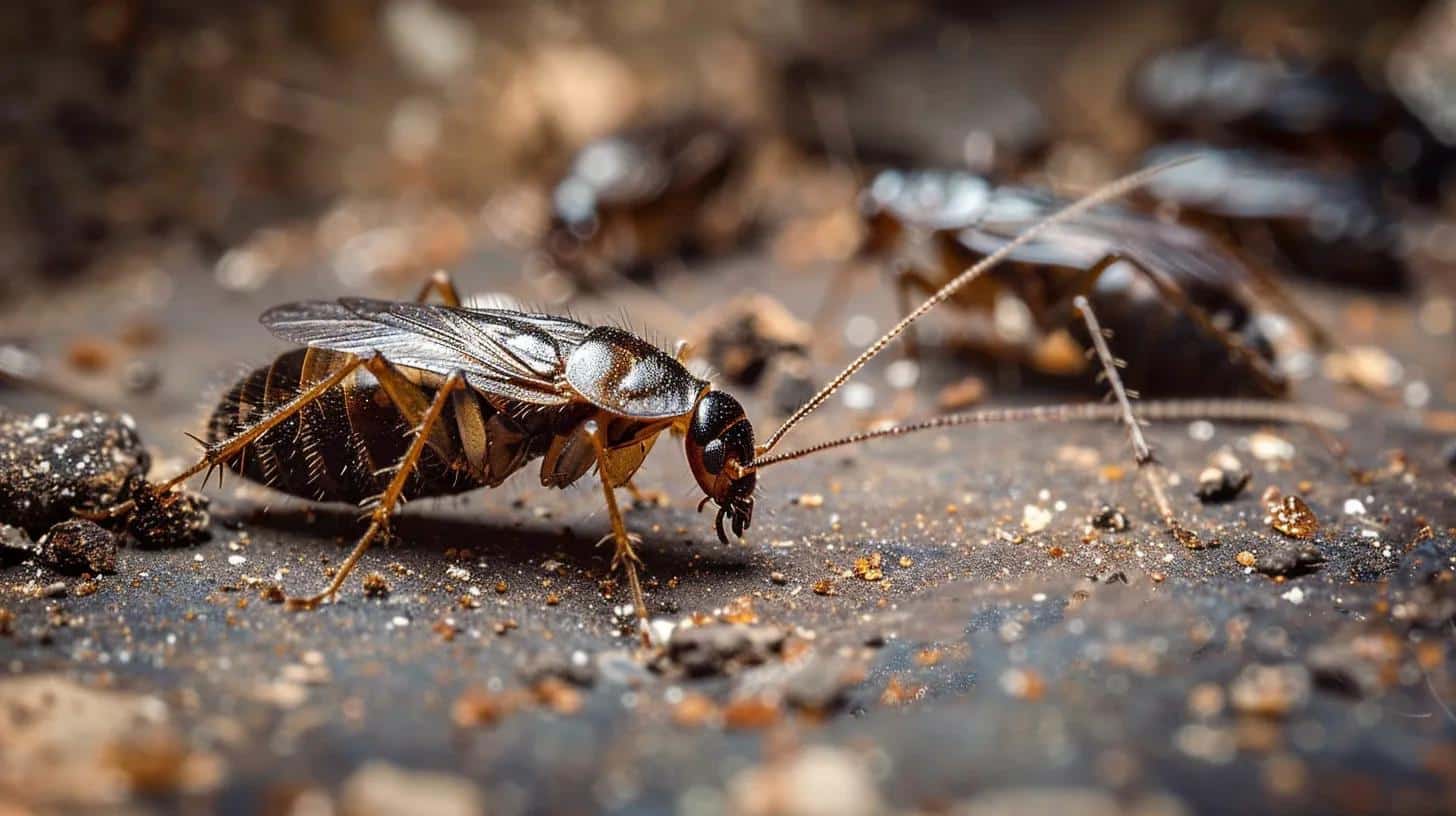
Bed bugs are small, flat, reddish-brown insects about the size of an apple seed; they hide in mattress seams, box springs, and furniture crevices and leave fecal spots, shed skins, and clustered bites on exposed skin. Inspections should include seams, tufts, headboards, and nearby luggage or secondhand furniture; laundering bedding at high heat and vacuuming suspected areas provide immediate containment. Avoid DIY chemical sprays that can disperse bugs into adjacent rooms and complicate treatment; instead, use encasements and heat laundering as short-term measures. Because effective eradication often requires professional heat or integrated chemical treatment, call a licensed provider when live bugs, eggs, or widespread bites are documented.
Research highlights the challenges of bed bug eradication, particularly in multi-unit dwellings, due to their increasing resistance to common insecticides.
Bed Bug Resistance in New Jersey Multi-Unit Buildings
The widespread resistance of the common bed bug,Cimex lectulariusL., to pyrethroid insecticides poses major challenges to effective control. Resistance can be attributed to the presence of target-site DNA mutations and the upregulation of genes associated with metabolic detoxification; the former being easily assessed through sequencing of thepara-type voltage-gated sodium channel. While studies have documentedkdr-associated mutation frequencies, temporal investigations are lacking at a scale finer than the continental United States level. To address this knowledge gap, we sequenced 227 populations ofC. lectularius, primarily collected over a 15 y period (2010–2024) from low-income, multi-unit buildings in New Jersey, to investigate the distribution and temporal dynamics of threekdr-associated mutations: V419L, L925I, and I936F.
Widespread fixation of kdr-associated mutations in temporal samples of Cimex lectularius collected from multi-unit buildings, JJ Yu, 2014
If you find live bed bugs, visible eggs, or wide bedding contamination, arrange for a professional inspection and treatment plan rather than relying solely on consumer sprays.
Distinguish bees from wasps and hornets by body shape and nest materials: wasps and hornets build papery combs in eaves or shrubs, while some bees use wax or cavities; nests near doorways or play areas pose higher risk. For safety, avoid DIY nest removal when nests are large, ground-based, or when household members have allergies; keep children and pets clear and observe from a safe distance. Simple avoidance and exclusion—sealing siding gaps and relocating attractants—reduce future nesting, while professionals use protective equipment and targeted removal methods to minimize stings and colony regrowth. When nests sit close to high-traffic human spaces or include many insects, professional removal is the safest course.
If a nest is large, in a high-traffic area, or someone in the household is allergic, contact a licensed removal service rather than attempting DIY removal.
Call a professional when infestations pose health risks, cause structural damage, show repeated sightings after DIY efforts, or when nests and colonies are large or inaccessible; these thresholds help homeowners decide between short-term measures and licensed intervention. Licensed professionals provide safety, targeted application, exclusion work, follow-up monitoring, and often warranties or preventive plans that reduce recurrence. Knowing what to expect from an inspection—identification, scope, treatment options, and a transparent estimate—helps homeowners choose the right provider and plan next steps effectively. The checklist below lists clear criteria that indicate professional involvement is warranted and can serve as a featured-snippet style decision aid.
When to call professional pest control (numbered criteria):
After you confirm any of these criteria, schedule a full inspection to obtain a clear treatment plan and estimate rather than relying on piecemeal fixes.
Hiring local licensed experts delivers safety, species-specific diagnostics, and follow-through that DIY attempts rarely match; Clearview Pest Control Inc. emphasizes eco-friendly solutions, 24/7 availability, licensed technicians, transparent pricing, and free estimates tailored for Bayonne properties. Local providers understand Bayonne’s multi-unit dynamics, waterfront microhabitats, and seasonal pest cycles, enabling targeted exclusion and landscape advice that reduces recurrence. Working with licensed technicians minimizes health and safety risks, ensures proper application of treatments, and provides documentation useful for insurance or property management purposes. For Bayonne residents seeking an inspection or estimate, requesting a licensed, eco-minded technician offers the best path to a sustainable resolution.
If you decide to move forward, ask the provider for a written treatment plan and follow-up schedule and verify eco-friendly options and guarantees to ensure aligned expectations with long-term pest prevention.
Choose a service based on licensing and insurance, local Bayonne experience, integrated pest management approaches that prioritize eco-friendly options, clear pricing, and positive local references; these factors clarify value and reduce the risk of ineffective treatments. During an estimate, ask specific questions about identification methods, expected treatment timeline, safety for children and pets, exclusion work included, and any follow-up inspections or guarantees. Avoid providers who pressure for immediate, costly treatments without documented findings or who offer vague pricing; prefer those who detail species-specific plans and non-chemical options when appropriate. A brief checklist of vetting questions and red flags helps Bayonne homeowners select a qualified partner for both emergency response and long-term prevention.
Key questions to ask during an inspection:
These questions position homeowners to choose services that focus on long-term outcomes and safety while aligning with Bayonne property needs and family considerations.