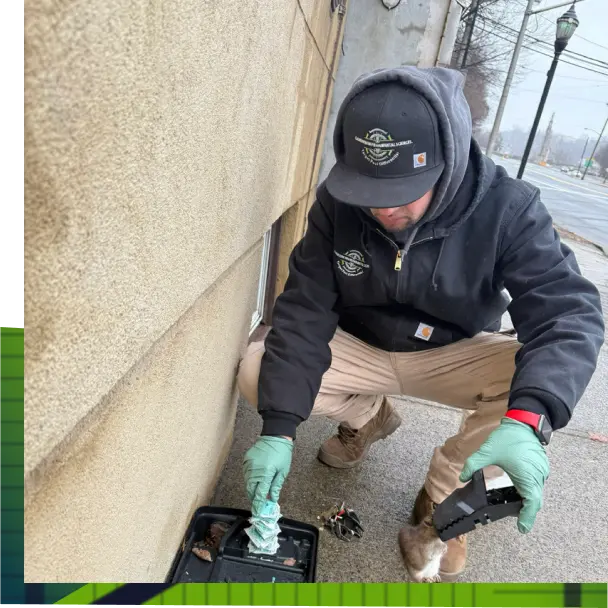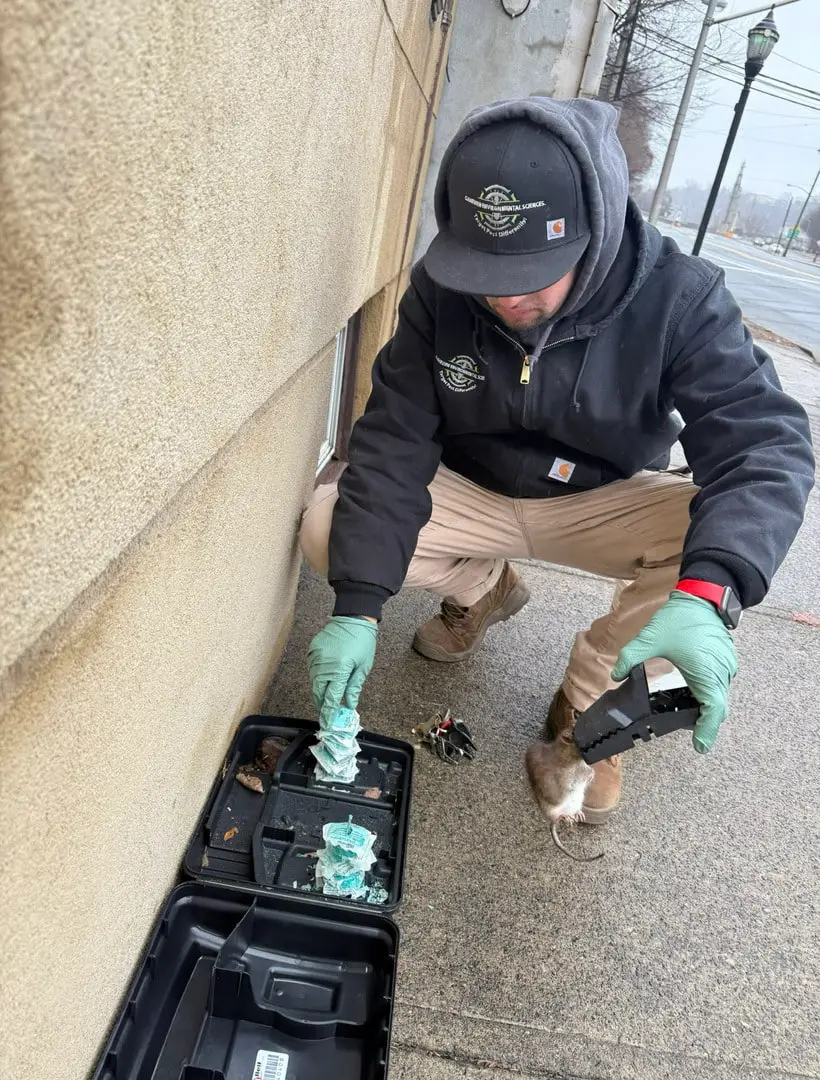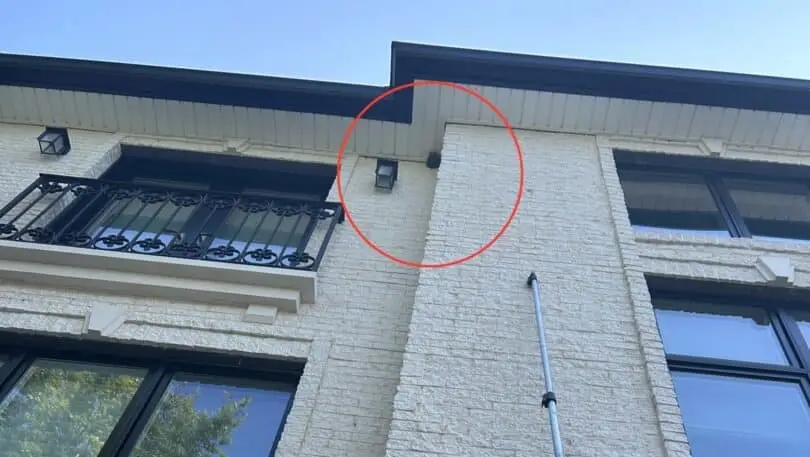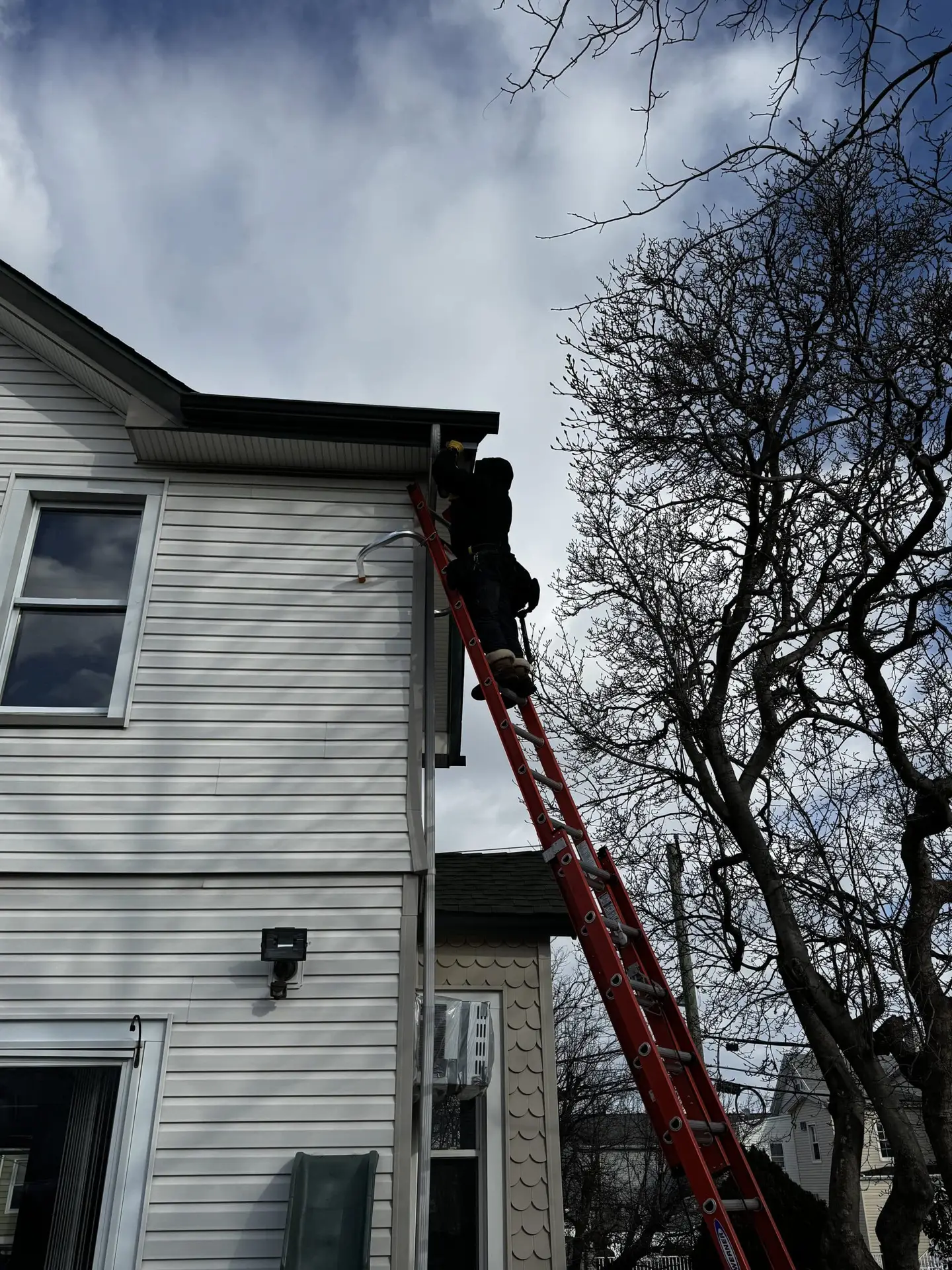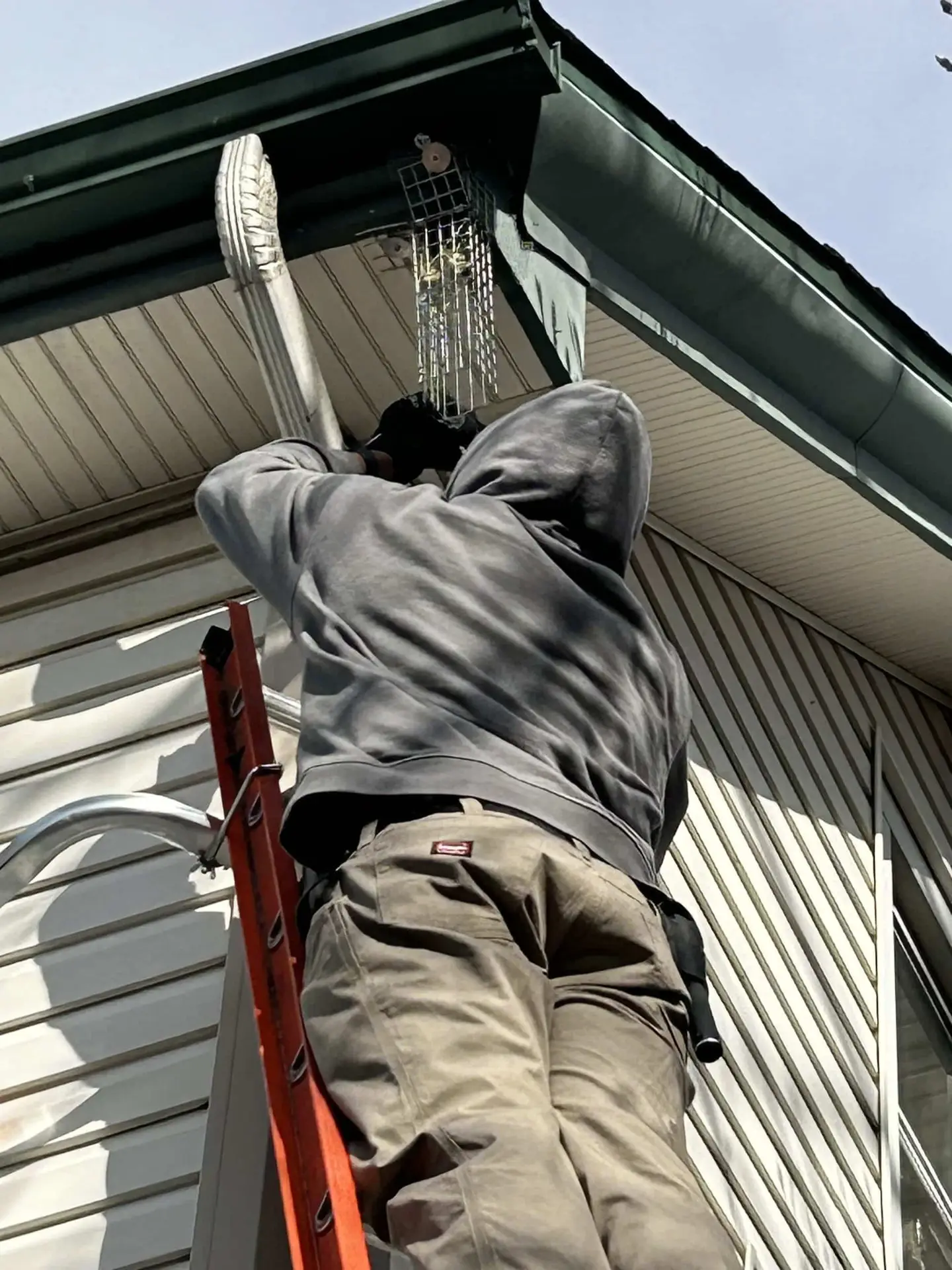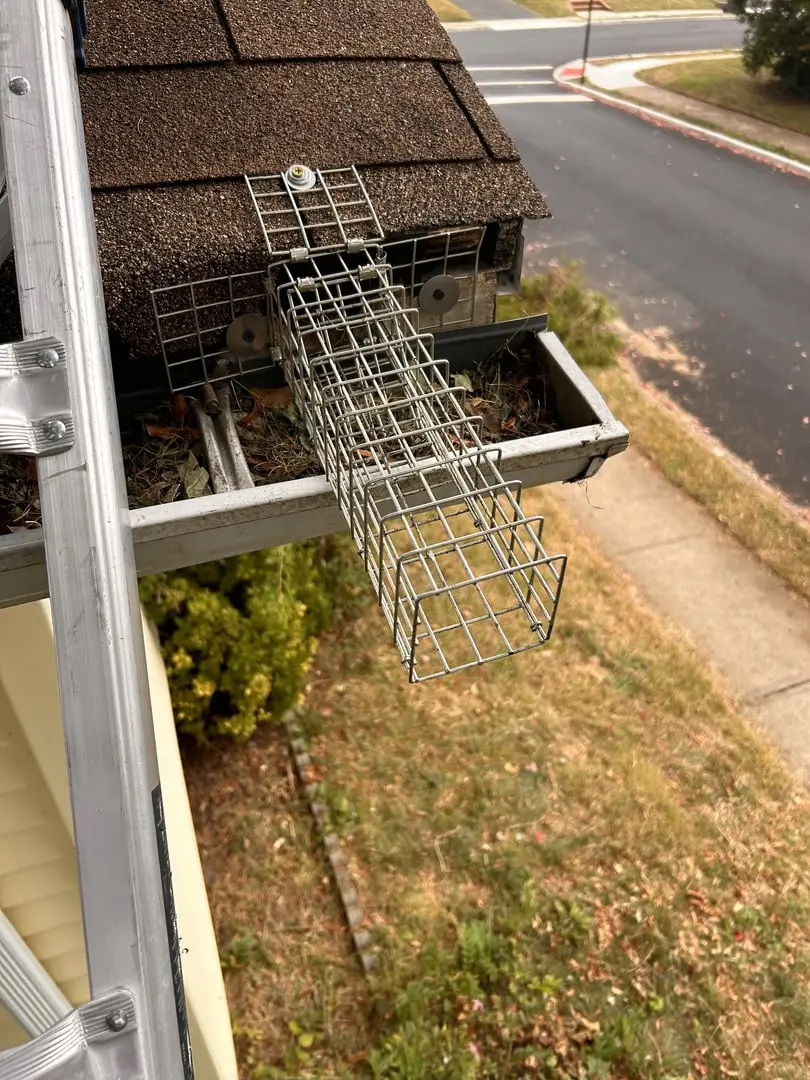





Mike was amazing, I called around 7am and he came out same day early afternoon. He was thorough and efficient he inspected my entire apartment and exposed all the entry points that was leading to our pest issue. His prices are fair and he explains exactly what you will be getting and his best recommendations. Overall he was professional and I couldn’t have asked for more he also provided me with a lot of tips and some extra traps which was very helpful. If you’re having any pest related issues and considering calling an expert Mike is your guy, don’t hesitate.

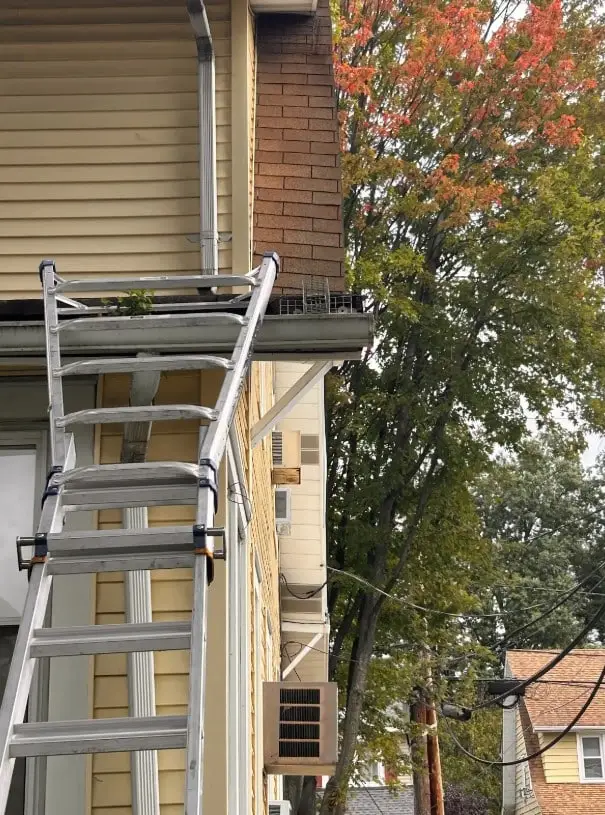
We had two squirrels trapped in our wall, and Mike came to our assistance that very day. He was professional and completed the job efficiently. He safely removed the squirrels without causing any damage. We are incredibly grateful and will wholeheartedly recommend his services to our family and friends. Thank you, Mike!

Great dude handles all the work with a personal touch. Definitely represents customer service that is missing nowadays. We used to use the other company in Bayonne, price was way too high way too many add-ons for simple things. This company takes care of things without all the hassle.

I'm very satisfied with this company service. Mike is very professional and very easy to work with. Answered all my questions, was always available on the phone and got the racoon in my attic within 24hrs.

Mike did a fantastic job. Super professional and helpful. He was transparent with everything, explaining what and why he was doing things and helped alleviate both mine and tenants concerns. He even found the root of the issue which actually stemmed from our neighbors property. Hes very through and presented options for treatment without ever upselling. Would definitely recommend

Fixed our issue promptly. The most important part was he educated you on what's going on, how it happens and what to do which I appreciated. I'll be using them in the future.

I've used the company twice for extermination and it's always a pleasure and they are very effective and friendly! Michael M. is extremely detailed and goes above and beyond. I truly appreciate his help in getting these bugs out!

Great exterminator! Mike is nice he is always on time and he gets the job done he doesn’t just put a band aid on it like the rest.

Very good and reliable service. The best pest control service Mike is the best e terminator

Mike was great. Very informative and helpful. Would absolutely recommend at least a consultation with Clearview.

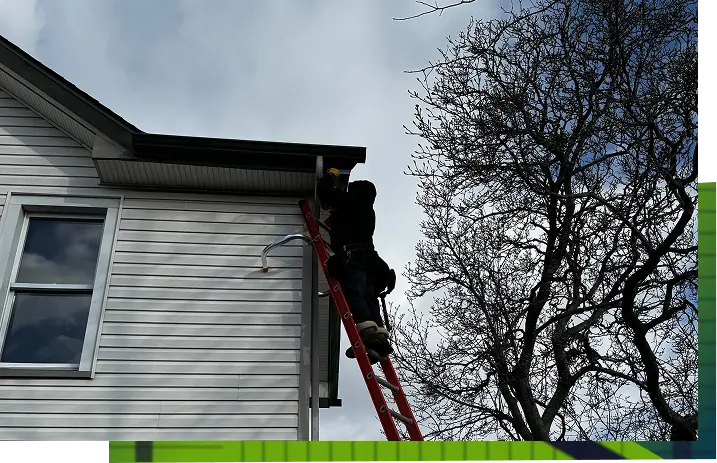
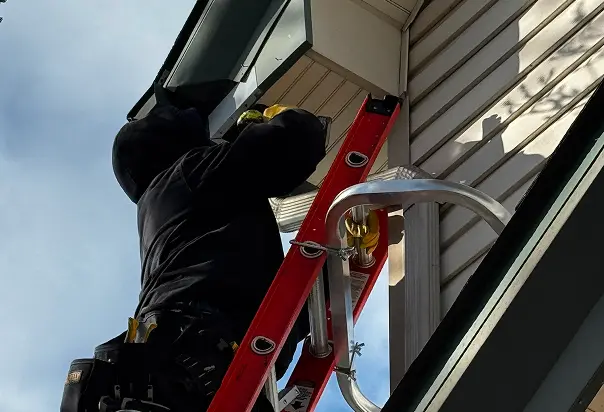
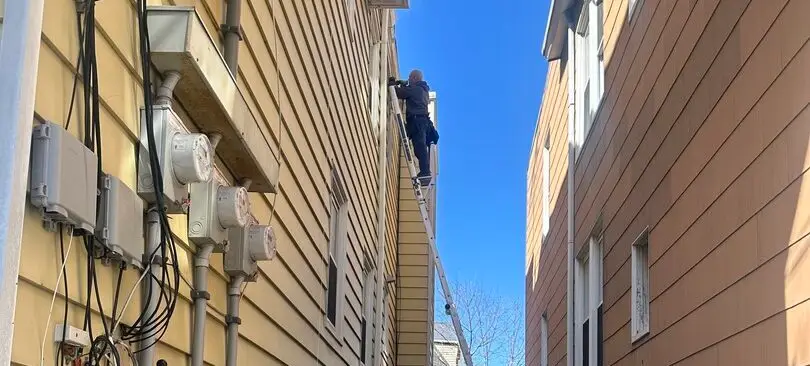
I had a great experience with this company. I was dealing with a squirrel problem in my ceiling, and I’m so glad I called them. Mike, the technician, was extremely helpful and informative. He even took video footage from the roof to show me where the issue was. He clearly explained what needed to be done to fix it. I highly recommend this company for any rodent or extermination needs. Thanks again, Mike!

I called Clearview after researching a few pest companies but this was the only who was able to come on a Sunday. Mike returned my call in about 10 mins after leaving a voicemail. We talked through my concerns and he showed up within the hour. He explained everything to me , pointed out potential issues and closed up any entry points he found . He was very friendly and informative. I am so glad i found them . I will be signing up for the monthly service for my own piece of mind. As a new mom, it’s so important to be comfortable in your home. Thank you Clearview and Mike!

I’ve been working with Mike at Clearview Pest Control for over a year now, and I can confidently say he’s the best in the business! Mike is always punctual, arriving on time for every appointment, which shows his dedication to providing top-notch service. His honesty and professionalism set him apart; I always feel confident knowing he has my best interests at heart. If you’re in need of pest control services, I highly recommend Mike! You won’t be disappointed!

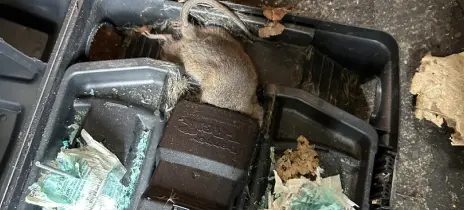
Mike was amazing! I had mice getting into my apartment somehow. He came in and did an amazing job sealing up all entry points and making me feel safe again in my home. If I go through anything similar in the future I know who to call

24 hr response came right away.. professional service trapper came same day with traps...got the raccoon out of the attic..great service..timely manner professional and personable. Used his service twice already and both times exceptional service and results.