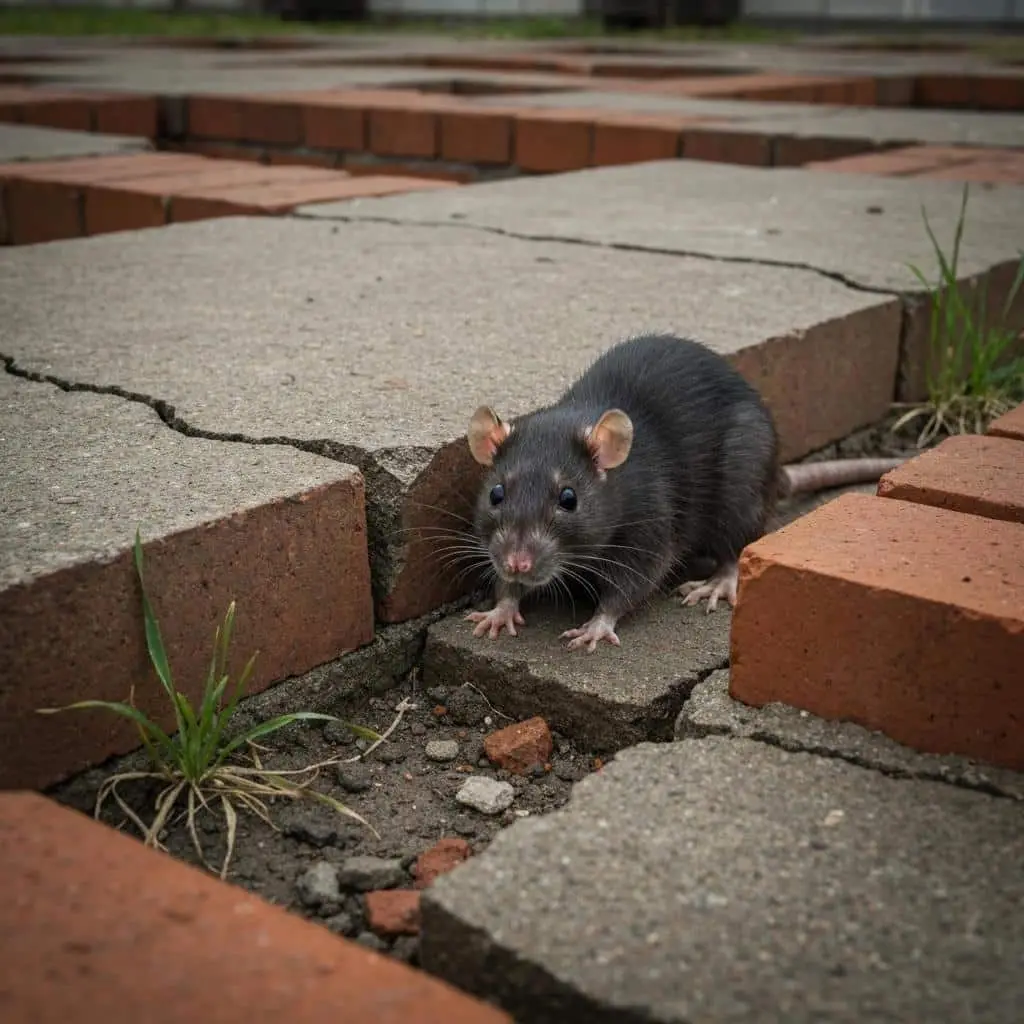

Rat infestations threaten property and health in Bayonne, NJ. Early detection limits damage. This article outlines behavioural and physical signs, homeowner responses, how to identify droppings and urine, health hazards, and when to call professionals.
Determining the presence of rats relies on observing specific indicators. These fall into two categories: behavioural signs that reveal activity patterns and physical evidence that confirms presence.
Rats are mostly nocturnal; scratching or scurrying at night inside walls or attics is a key sign. Daytime sightings usually indicate a larger infestation.
Definitive evidence includes dark, cylindrical droppings near food or runways; gnaw marks on wood, plastic, or wiring; and nests of shredded paper, fabric, or insulation in attics, crawlspaces, or basements. Record locations and photos to plan remediation.
If you find signs, inspect for entry points, feeding areas, and nests. Seal gaps around foundations, walls, and utility penetrations. Improve sanitation—store food in airtight containers and remove attractants—and use traps or hire a licensed pest control service for safe removal. Clearview Pest Control provides eco-friendly, humane options suitable for homes.

Droppings are small, dark, cylindrical—about 1/2 inch—and appear near food, runways, or nests. Urine often smells musky or ammonia-like in enclosed spaces. Check basements, attics, behind appliances, and storage areas regularly.
Pellet-shaped droppings cluster where rats feed or travel, such as along baseboards, in pantries, or in storage rooms. Finding them is reliable evidence of rodent activity and requires action.
A persistent ammonia-like smell signals active urine contamination, especially in attics and basements. Investigate promptly to locate the source and plan remediation.
Look for gnaw marks, grease or rub marks along runways, and nests made from shredded materials. Inspect walls, wiring corridors, and insulation to assess damage and find nests.
Rats cause several types of damage that affect safety and habitability.
Recognising these impacts reinforces the need for prompt mitigation.
Rodent Cable Damage and Protective Measures
Few quantitative records document cable damage by biological agents, so assessing the precise extent attributable to rodents is difficult. Such damage is generally of limited economic consequence but can disrupt critical communications. Bare insulated cable is susceptible to damage by insects and rodents; cable protected by 5‑mil steel tape or 10‑mil copper tape shows substantially greater resistance to animal attack.
Destruction of Cable Insulation by Rodents and Other Biological Agents, 1967
Rats nest in concealed spots—attics, basements, wall voids, and crawlspaces—using shredded paper, cloth, insulation, and plant material. Locating and removing nests is essential to control operations.
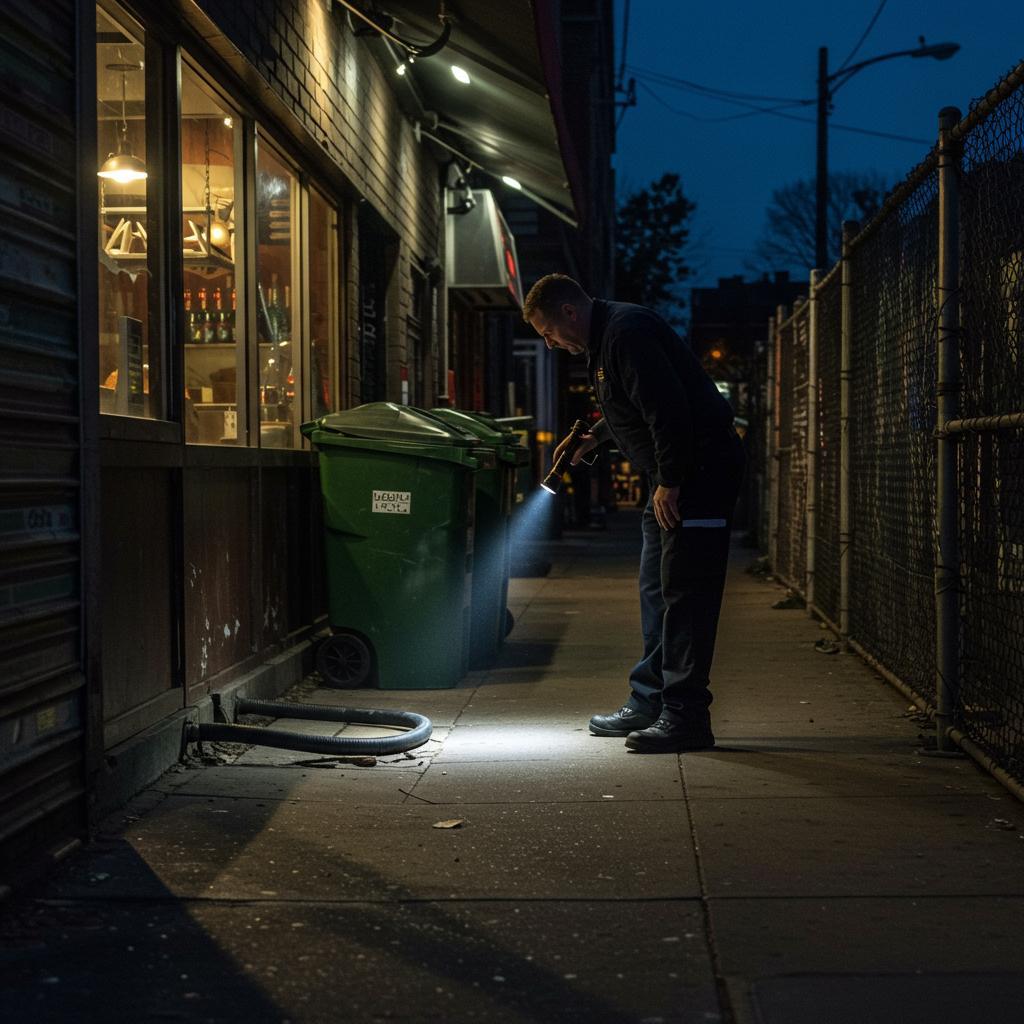
Rats spread pathogens via direct contact, contaminated food, and the environment. The main concerns include severe respiratory and bacterial illnesses that require medical attention.
Awareness of these hazards makes rapid response essential.
Rats can transmit hantavirus, salmonellosis, and leptospirosis—diseases ranging from gastrointestinal symptoms to severe respiratory or systemic illness; their severity supports prioritising professional control measures.
Droppings and urine produce airborne particles that worsen indoor air quality and can exacerbate respiratory conditions. Surface contamination and airborne pathogens increase health risks for occupants. Maintaining a rodent-free environment helps preserve air quality and safety.
Call a professional when you find droppings, gnaw marks, nests, or persistent odour. Professional intervention is recommended for large infestations or where health risks exist. Clearview Pest Control offers specialised, humane techniques.
Eco-friendly rat-control methods reduce risk to children, pets, and non-target species, lower chemical load on the environment, and support sustainable long-term management outcomes.
Sealing gaps, repairing structural defects, and maintaining sanitation remove access and reduce attractants. Regular inspections and proactive maintenance are core elements of prevention. Professional repairs and exclusions can be scheduled to ensure thorough implementation.
Combine sanitation, exclusion, and monitoring. Store food airtight, clean spills promptly, manage waste, seal gaps around doors and utilities, reduce clutter, and inspect periodically to detect early activity.
Use approved humane traps along identified runways and near signs of activity. Avoid direct handling and follow local disposal rules. When disease risk or uncertainty exists, hire a licensed pest control provider.
Wear gloves and a mask to remove a carcass. Seal it in a plastic bag and dispose of it outdoors, then disinfect the area. If removal is unsafe or contamination is extensive, contact a pest control professional.
Peppermint oil or vinegar-based cleaning can deter rats temporarily. Keeping yards tidy and removing debris reduces nesting opportunities. These tactics supplement exclusion and sanitation rather than replace them.
Signs of escalation include increased droppings, more sightings, new gnaw marks, stronger odour, or additional nests. If these appear, escalate control measures promptly.
Long-term infestations can cause structural and electrical damage, contaminate food and surfaces, and increase repair costs and safety hazards. Prompt remediation minimises these effects.
Identifying and responding to rat infestations in Bayonne, NJ protects property integrity and occupant health. Use exclusion, sanitation, and professional pest control as needed. For site-specific assessment and remediation, consult a qualified local pest control service.