Mouse infestations can pose significant challenges for homeowners and business operators alike. Recognizing the signs of a mouse infestation early can help mitigate potential damage and health risks. This article will explore the top indicators of mouse presence, including droppings, gnaw marks, and unusual noises. Understanding these signs is crucial for effective pest management and maintaining a safe environment. We will also discuss the health risks associated with mice and when to seek professional pest control services. By the end of this article, you will be equipped with the knowledge to identify a mouse infestation and take appropriate action.
The top signs of a mouse infestation in your home or office include:
Identifying the signs of a mouse infestation is essential for prompt action. Common indicators include:
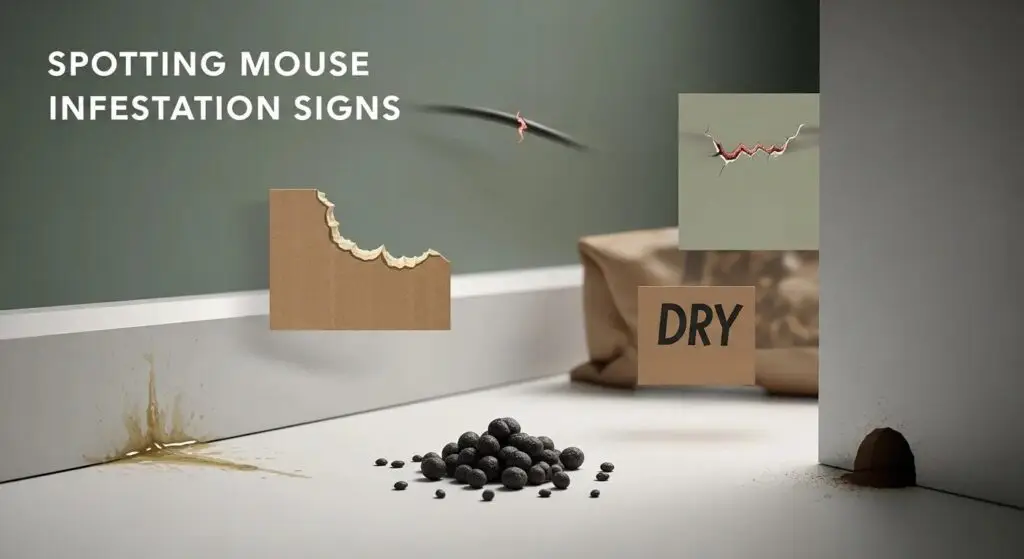
Small Droppings: Mouse droppings are typically small, dark, and pellet-shaped, often found near food sources or nesting areas.
Greasy Rub Marks: Mice often leave greasy marks along walls and surfaces where they frequently travel, indicating their presence.
Shredded Nesting Material: Mice use shredded paper, fabric, or insulation to build nests, which can be found in hidden areas.
Recognizing these signs early can help prevent a more significant infestation and associated problems.
What Are the Most Common Signs of Mouse Infestation?
The most common signs of mouse infestation include droppings, gnaw marks, and nests. These indicators can often be found in areas where food is stored or where mice are likely to travel.
Droppings: As mentioned, mouse droppings are a clear sign of their presence. They can be found in kitchens, pantries, and along walls.
Gnaw Marks: Mice have strong teeth that allow them to gnaw through various materials, including wood and plastic. Finding gnaw marks can indicate active mouse activity.
Nests: Mice create nests from shredded materials, which can often be found in hidden areas like attics or behind appliances.
Understanding these signs is crucial for effective pest control. For comprehensive pest control, consider reaching out to professionals.
How to Identify Rodent Droppings in Your Home or Business
Identifying rodent droppings is a key step in recognizing a mouse infestation. Mouse droppings are small, about 1/4 to 1/2 inch long, and have pointed ends. They are typically dark brown or black and can be found in clusters near food sources or nesting sites.
To differentiate between mouse and rat droppings, note that rat droppings are larger and have a more blunt shape. If you find droppings, it is essential to act quickly to prevent further infestation.
What Do Gnaw Marks and Mouse Damage Indicate?
Gnaw marks and damage are significant indicators of mouse activity. Mice gnaw on various materials to keep their teeth from growing too long.
Indication of Active Infestation: Fresh gnaw marks suggest that mice are currently active in the area.
Potential Structural Damage: Over time, gnawing can lead to significant damage to structures, including electrical wiring and insulation.
Safety Risks Associated with Gnawing: Damaged wiring can pose fire hazards, making it crucial to address any signs of gnawing promptly.
Recognizing these signs can help prevent costly repairs and safety issues.
How Can Noises and Odors Reveal Mouse Presence?
Noises and odors are often telltale signs of mouse presence. Mice are nocturnal creatures, and their activity can often be heard at night.
Nocturnal Sounds: Scratching or scurrying noises in walls or ceilings can indicate mouse activity.
Odors from Urine: Mice leave behind a distinct odor from their urine, which can be particularly noticeable in enclosed spaces.
Signs of Nesting Behavior: Noises associated with nesting, such as rustling, can also indicate a mouse presence.
Being aware of these auditory and olfactory signs can help you identify a mouse problem early.
What Types of Noises Suggest Active Mice?
Active mice can produce various sounds that may alert you to their presence. Common noises include:
Scratching Sounds: These noises often come from mice moving through walls or ceilings.
Gnawing Noises: The sound of mice gnawing on materials can be heard, especially at night.
Movement Within Walls: If you hear movement within walls, it may indicate that mice are nesting or traveling.
Listening for these sounds can help you determine if you have a mouse infestation.
How to Detect Rodent Urine Odors and Nesting Materials
Detecting rodent urine odors and nesting materials is crucial for identifying a mouse infestation.
Identifying Urine Odors: Mice leave behind a strong, musky odor that can be particularly noticeable in areas where they nest or travel.
Recognizing Nesting Materials: Look for shredded paper, fabric, or insulation in hidden areas, which can indicate nesting.
Using UV Light for Detection: Rodent urine can fluoresce under UV light, making it easier to spot in dark areas.
These detection methods can help you confirm the presence of mice in your home or business.
What Health and Safety Risks Are Associated with Mouse Infestations?
Mouse infestations pose several health and safety risks that should not be overlooked.
Disease Transmission: Mice can carry diseases such as hantavirus and leptospirosis, which can be transmitted to humans through droppings and urine.
Food Contamination: Mice can contaminate food sources, leading to potential health risks for those who consume contaminated items.
Structural Damage: As mentioned earlier, mice can cause significant damage to structures, which can lead to safety hazards.
Understanding these risks emphasizes the importance of addressing mouse infestations promptly.
Which Diseases Can Mice Transmit to Humans?
Mice are known carriers of several diseases that can affect human health. Some of the most common diseases include:
Hantavirus: This virus can cause severe respiratory issues and is transmitted through contact with rodent droppings or urine.
Leptospirosis: This bacterial infection can lead to flu-like symptoms and is often contracted through contact with contaminated water or surfaces.
Salmonellosis: Mice can contaminate food with salmonella bacteria, leading to gastrointestinal illness.
Being aware of these diseases can help you take necessary precautions to protect your health.
How Does Mouse Activity Affect Indoor Air Quality and Safety?
Mouse activity can significantly impact indoor air quality and safety.
Respiratory Health Issues: The presence of mouse droppings and urine can lead to respiratory problems, especially for individuals with allergies or asthma.
Introduction of Pathogens: Mice can introduce various pathogens into the home, increasing the risk of illness.
Fire Hazards from Gnawing: As mentioned earlier, gnawing on electrical wires can create fire hazards, making it essential to address infestations quickly.
Understanding these impacts highlights the importance of maintaining a mouse-free environment.
When Should You Contact Professional Rodent Control Services?
Knowing when to contact professional rodent control services is crucial for effective pest management. Consider reaching out to professionals if you notice:
Signs of Active Infestation: If you see droppings, gnaw marks, or nests, it may be time to call for help.
Health Risks Present: If you are concerned about potential health risks associated with mice, professional assistance can provide peace of mind.
Persistent Activity Despite DIY Efforts: If your attempts to control the infestation are unsuccessful, professionals can offer more effective solutions.
Professional pest control services can provide comprehensive assessments and solutions tailored to your needs.
What Are the Benefits of Professional Inspection and Exclusion Repairs?
Hiring professionals for pest control offers several benefits, including:
Comprehensive Property Protection: Professionals can identify and address potential entry points, preventing future infestations.
Ongoing Monitoring: Regular inspections can help catch infestations early before they become significant problems.
Emergency Response Capabilities: Professionals can respond quickly to urgent infestations, minimizing damage and health risks.
These benefits make professional pest control a valuable investment for maintaining a safe environment.
How to Request a Quote and Schedule Mouse Control Services with Clearview
To request a quote and schedule mouse control services with Clearview Pest Control, follow these steps:
Contact Methods: You can reach Clearview Pest Control by calling 347-224-2581.
Service Confirmation Process: After contacting, a representative will discuss your needs and confirm the service details.
Scheduling Details: Appointments can be scheduled at your convenience, ensuring timely pest management.
Clearview Pest Control is a professional pest management company offering comprehensive services for residential and commercial clients. If you are also having issues with other pests, consider vole removal services.