
For homeowners and businesses across Staten Island, NY, dealing with pests is a recurring challenge. From persistent ants and destructive termites to disease-carrying rodents and irritating bed bugs, these unwelcome guests pose significant health risks and can inflict costly property damage if not addressed promptly. This comprehensive guide is designed to empower you with the knowledge to identify common Staten Island pests, understand how local climate and urban development influence their activity, and implement practical, immediate actions to prevent infestations and reduce exposure. You’ll discover clear identification markers, seasonal activity patterns, step-by-step inspection techniques, and evidence-based control strategies, with a focus on eco-friendly methods where feasible. We’ll map out major pest groups, highlight crucial early-warning signs for termites and bed bugs, compare the health impacts of mosquitoes and cockroaches, and provide actionable prevention checklists for both residential and commercial properties. With this localized insight, you’ll be better equipped to decide when DIY exclusion and sanitation measures suffice, and when it’s time to contact a licensed pest control technician for professional inspection or treatment.
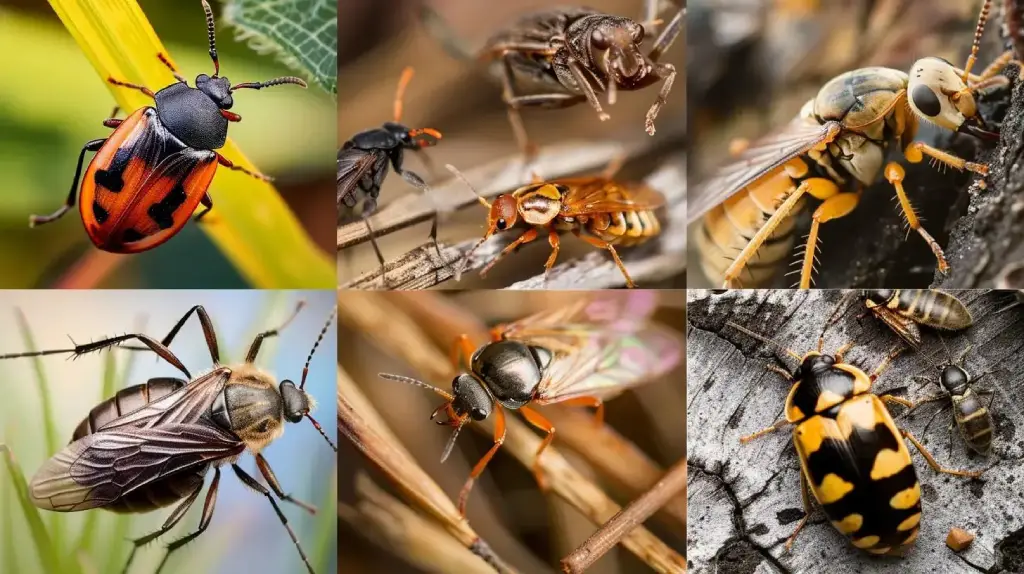
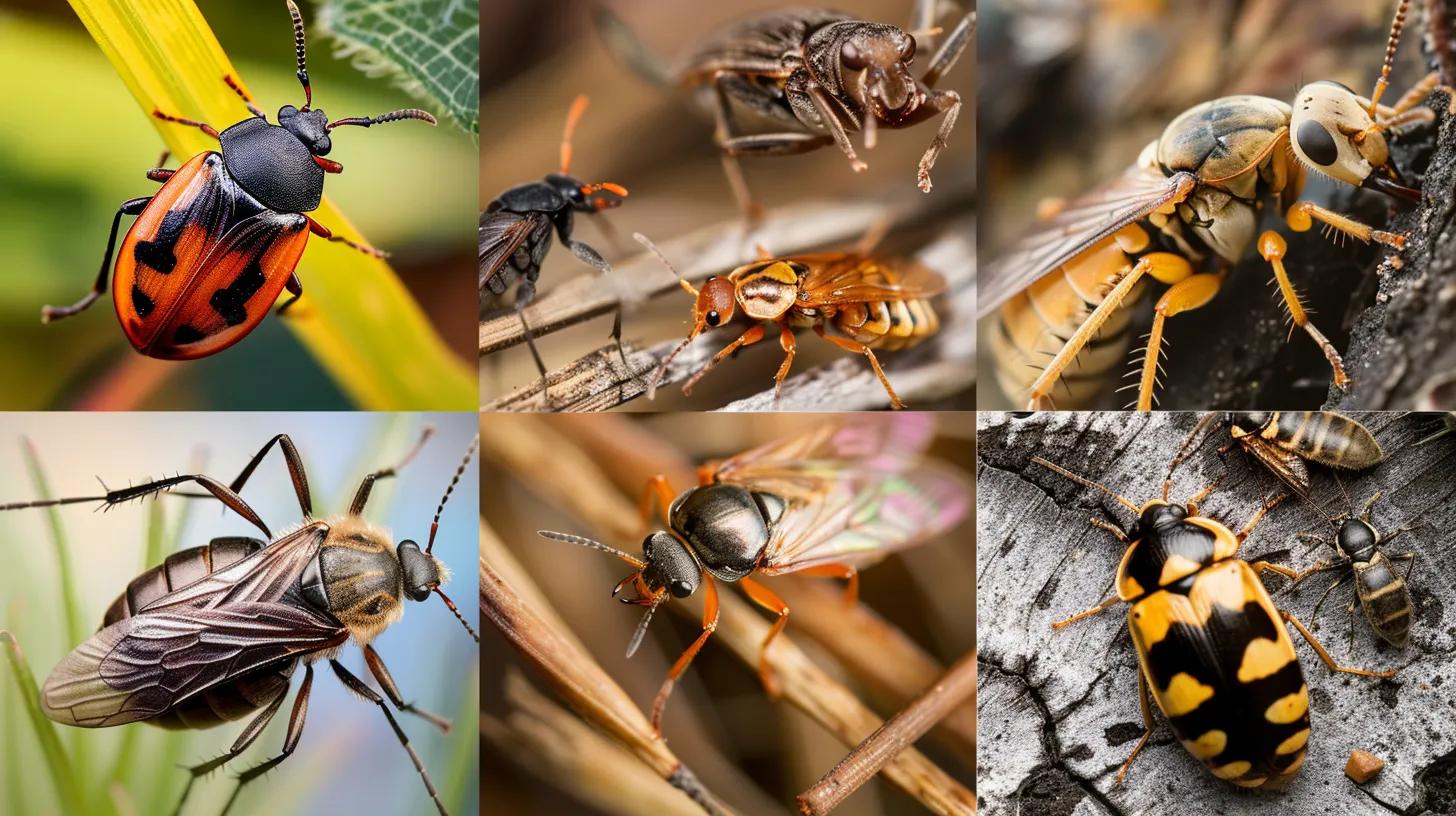
Staten Island is home to a diverse array of common pests, including various insects, arthropods, rodents, and occasional wildlife, all adept at exploiting urban and suburban environments, particularly older structures. These pests consistently seek shelter, food, and moisture through predictable patterns—ants follow scent trails, rodents exploit structural vulnerabilities, and termites target wood in contact with soil. Recognizing these patterns is key to prioritizing your response. Early identification of the top local pests can significantly reduce response times, limit property damage, and improve health outcomes for residents and employees. Below is a summary of the most frequent offenders, complete with concise identification cues and urgency guidance to help you determine your next steps.
These brief descriptions are designed to help you prioritize inspections and immediate sanitation measures for each pest. The following sections will delve deeper into common ants and rodents.
Clearview Pest Control Inc. specializes in the identification and treatment of all pests listed above. We offer local evaluations, links to pest-specific service pages, and a free estimate for Staten Island residents and businesses seeking rapid relief.
For homeowners who prefer an initial DIY approach, the next subsections explain how to spot common ant and rodent evidence yourself.
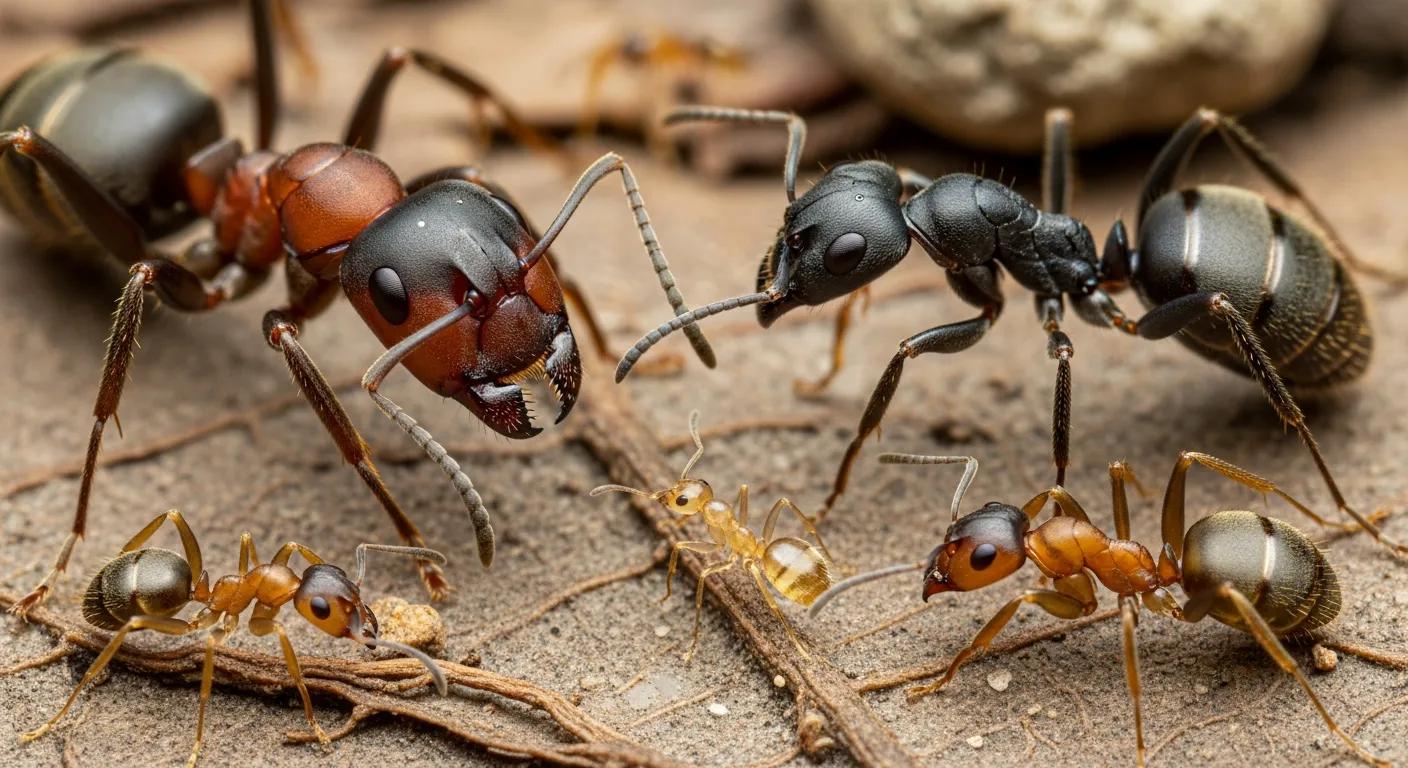
Ant species in Staten Island vary from tiny foragers attracted to food spills to larger, wood-damaging species. Common kitchen ants, such as German-type ants, frequently forage indoors for sweets and grease. More concerning are carpenter ants, which excavate damp or decayed wood to create nesting galleries, potentially compromising structural integrity. Accurate identification relies on observing their size, body segmentation, and behavior: continuous trails indicate foragers, visible winged reproductives in spring suggest colony establishment, and sawdust-like frass near wooden structures points to carpenter ant activity. Effective prevention primarily involves rigorous sanitation, storing food in sealed containers, and eliminating moisture sources, which often resolves nuisance ant issues before professional intervention is required.
Understanding specific insect types, or hyponyms, refines treatment choices. For instance, distinguishing a German cockroach from other indoor pests dictates different bait and sanitation tactics. Similarly, knowing that some ants nest outdoors in soil or mulch informs targeted exclusion strategies. These identification habits naturally lead into rodent detection techniques, which share many inspection priorities like identifying entry points and analyzing droppings.
Main cockroach species in urban areas in our country and the world, prevention and alternative control methods of these pests
ABSTRACT: Cockroaches are located in major pests in urban areas in the world. Four best-known cockroach species are American cockroach, Periplaneta americana, Australian cockroach, Periplaneta australasiae, German cockroach, Blattella germanica and oriental cockroach, Blatta orientalis. It is known there are 3 species in Turkey. They are B. germanica, B. orientalis and P. americana. Oriental cockroach is Turkey’s local insect and often confused with Blaps spp. Cockroaches may become pests in any structure like homes, schools, restaurants, hospitals, warehouses, offices, etc. They cause repulsive and disgusting feeling in people because of the bad smell they reek of, in the areas seen by the people and they also cause allergic reaction in many people. In conjunction with it is not easy to control cockroaches, sanitation and preventive measures are important to suppress population. The most practical way in control is to use chemicals (gel, granule, dust, baits and sprays). But only Main cockroach species in urban areas in our country and the world, prevention and alternative control methods of these pests, M Yağcı, 2016
Rodents, including Norway rats and house mice, infiltrate buildings through various entry points such as structural gaps, foundation cracks, utility penetrations, and roofline openings. Once inside, they cause extensive damage by gnawing on electrical wiring, insulation, and stored materials, while contaminating surfaces with their droppings and urine. Key indicators of a rodent infestation include droppings found along their travel paths, greasy rub marks on baseboards, shredded nesting materials in warm, secluded voids, and audible scratching or scurrying sounds at night within walls or attics.
Preventive exclusion is paramount: sealing holes larger than a quarter inch, installing door sweeps, and screening vents significantly reduce entry risks. Prompt cleanup of food sources and secure storage of edibles also eliminate attractants. When structural damage is evident, activity is persistent, or health risks are present, professional rodent control—encompassing thorough inspection, targeted sanitation, and robust exclusion—is the recommended course of action.
Rodent-proof construction and exclusion methods, RM Timm, 1994
Rodent-Proof Construction and Exclusion Methods
The most effective means of limiting rodent damage is rodent-proof construction. New buildings should be designed and built to prevent rodent entry. Rodent-proofing is a good investment. Designing and constructing a rodent-proof building is less expensive than adding rodent-proofing later. Nevertheless, poor maintenance or management practices, such as leaving entry doors and unscreened windows open, will make the bestconstructed building susceptible to rodent entry. Techniques discussed here apply both to new construction and to the modification of existing structures.
Understanding these common entry points and contamination patterns simplifies the application of targeted repairs and sanitation. This same inspection mindset will also prove valuable in spotting more subtle wood-damaging pests like termites, which we cover in the next major section.
| Pest | Signs of Infestation | Typical Damage | When to Call a Pro |
|---|---|---|---|
| Ants | Trails to food, winged swarmers, frass near wood | Food contamination, wood galleries (carpenter ants) | Frequent indoor trails or suspected wood damage |
| Rodents | Droppings, gnaw marks, scratch noises | Chewed wiring, insulation contamination, structural damage | Numerous droppings, or electrical/health risks present |
| Termites | Mud tubes, swarms, hollow-sounding wood | Structural wood loss, framing compromise | Immediately upon finding any signs of activity |
This quick-reference table empowers homeowners to triage pest problems and determine when immediate professional intervention is warranted, leading directly into a focused look at termite identification and the urgency it demands.
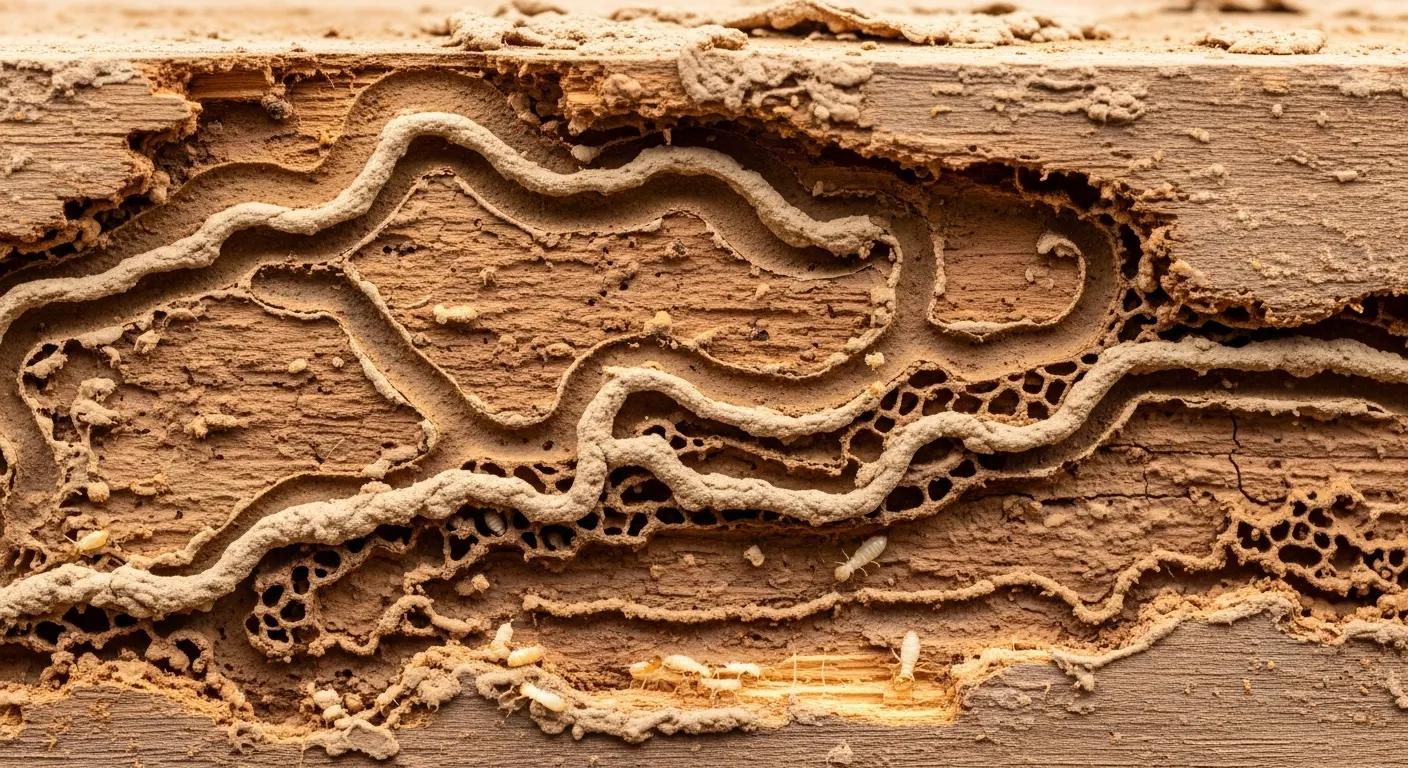
Termite activity in Staten Island often begins subtly and progresses unseen, making early detection crucial. Recognizing specific physical clues and behavioral patterns is key to minimizing damage. Termites consume cellulose, leaving behind characteristic signs such as mud tubes that bridge soil to wood, discarded wing casings from swarmers found near windows or light sources, and wood that sounds hollow when tapped due to internal galleries. Identifying these signals early can significantly reduce repair costs and limit structural damage, as treatment options are far more effective before colonies become widespread. The diagnostic table below summarizes key early indicators and what to look for during an inspection.
| Indicator | Early Sign | Visual Example / What to Listen For |
|---|---|---|
| Mud Tubes | Soil tubes on foundation or crawl space walls | Thin, pencil-sized tunnels along concrete or sill plates |
| Swarmers | Discarded wings or flying insects near lights | Tiny, translucent wings on window sills or floors |
| Damaged Wood | Blistered paint, hollow-sounding joists or trim | Tap wood and listen for a dull, hollow tone rather than solid |
Regular inspection of crawl spaces, basements, and areas where grade meets wood is paramount, as termites frequently enter where wood contacts soil or moisture accumulates. If you discover mud tubes, swarmers, or areas that sound hollow, schedule an immediate professional inspection. Early intervention is significantly more effective and less disruptive than treating advanced structural damage.
Integrated Pest Management in Urban Environments
ABSTRACT: Journal ArticleIntegrated Pest Management in the Urban EnvironmentGet accessWilliam H RobinsonWilliam H RobinsonSearch for other works by this author on:Oxford AcademicGoogle ScholarAmerican Entomologist, Volume 42, Issue 2, Summer 1996, Pages 76–78,https://doi.org/10.1093/ae/42.2.76Published:01 April 1996 1. William H Robinson, Integrated Pest Management in the Urban Environment, American Entomologist, Volume 42, Issue 2, Summer 1996, Pages 76–78, https://doi.org/10.1093/ae/42.2.76 Integrated pest management in the urban environment, 1996
Schedule Your Termite Inspection
For homeowners seeking a thorough inspection and clear next steps, Clearview Pest Control Inc. offers expert termite inspections and free estimates, including eco-conscious treatment options. Requesting a professional evaluation is the recommended next course of action when any early signs appear.
The earliest indicators of termite activity include narrow mud tubes along foundation walls, tiny discarded wings found after swarming events, and paint or wood surfaces that appear blistered or sagging without other obvious causes. These subtle signs often precede visible gallery exposure and necessitate a methodical inspection approach: meticulously check foundations, crawl spaces, door frames, and attic edges, gently tapping suspicious wood to detect hollowing. Seasonal swarm events, typically in spring, increase detection opportunities; homeowners should inspect window sills and light fixtures for wing casings after warm, humid evenings. Identifying these early signs allows for more targeted treatments and significantly reduces the need for extensive structural repairs later.
Recognizing these early signs naturally leads to understanding the available treatment options and the relative merits of baiting versus liquid barriers for controlling confirmed colonies.
Effective termite treatments encompass a range of strategies, from baiting systems that target foragers and disrupt colony nutrition to liquid soil-applied barriers and localized structural repairs involving the removal of infested wood. Bait systems are highly effective for monitoring and reducing colony activity by exploiting termite feeding behaviors, while liquid barriers create a treated zone that prevents subterranean access to structures. Often, both approaches are combined in integrated pest management plans to enhance long-term protection. Eco-friendly alternatives prioritize targeted placement and reduced non-target exposure. Technicians evaluate factors such as foundation type, infestation extent, and accessibility to determine the least invasive, most durable solution. Post-treatment, ongoing monitoring and moisture control are crucial to prevent reinfestation and preserve structural integrity.
When a homeowner requires an inspection and a clear, written plan, a licensed professional can explain the trade-offs and expected timelines for bait acceptance, barrier curing, and any necessary structural repairs. This expertise directly connects to effective bed bug and other pest treatments, which we will cover next.
Successful bed bug control hinges on accurate identification and a comprehensive, multi-pronged approach designed to eliminate existing populations and prevent future reintroductions. Effective methods include whole-room heat treatments that penetrate deep into hiding places, targeted insecticide applications using residual products applied by trained technicians, and integrated strategies combining mattress encasements, high-temperature laundering, and meticulous vacuuming. Heat treatment offers rapid eradication across all life stages, as sustained temperatures above 120°F are lethal to eggs and adults. Insecticides, conversely, provide residual control in inaccessible cracks and voids. Integrating both methods often yields the most successful outcomes. The choice of approach depends on the infestation’s extent, the property type, and occupant safety considerations. The following subsection details how to identify bed bugs and inspect common hiding spots.
Early identification and the appropriate selection of heat, chemical, or integrated methods are vital for reducing recurring infestations and guiding property management decisions, especially in multi-unit buildings.
Bed bugs are small, oval, reddish-brown insects typically found along mattress seams, furniture joints, and behind headboards. Evidence of their presence includes tiny dark fecal spots on fabric, pale shed skins, and small blood stains on sheets. Bites often appear in clusters after nocturnal feeding, but bite patterns can vary by individual and are not definitive without visual confirmation of the bugs themselves. A thorough inspection should involve removing mattress covers, carefully checking box springs, and examining baseboards and electrical outlet voids, ideally using a flashlight and magnifier. If you discover live bugs or multiple signs—such as frass, eggs, and shed skins—professional confirmation and treatment are strongly advised to prevent their spread within your home or building.
This identification protocol sets the stage for crucial prevention measures and property management procedures that significantly reduce the risk of bed bug introduction, which we address in the next subsection.
Preventing bed bug introductions requires constant vigilance during travel, meticulous inspection of secondhand furniture before bringing it indoors, and routine laundering of bedding at high temperatures if suspicious signs emerge. For multi-unit buildings, prompt reporting, coordinated building-wide inspections, and standardized treatment protocols are essential to mitigate re-infestation risks; doormen and maintenance staff should be trained to spot early signs. Simple household measures include using protective encasements on mattresses, reducing clutter that provides hiding spaces, and sealing cracks where bugs can conceal themselves. A swift response when even a single bed bug is found—involving inspection, targeted cleaning, and localized treatment—is critical to prevent small problems from escalating into widespread infestations.
These practical prevention steps naturally transition to health-related pests like mosquitoes and cockroaches, which impact comfort and disease risk around Staten Island residences and public spaces.
Mosquitoes and cockroaches both diminish comfort and pose health risks in Staten Island through biting, allergic reactions, and pathogen carriage, though their biology and control methods differ significantly. Mosquitoes breed in standing water, causing nuisance biting that can limit outdoor enjoyment, while certain species can transmit pathogens under specific environmental conditions. Cockroaches, conversely, thrive in warm, damp kitchen environments and can spread allergens and bacterial contamination. Understanding their species-specific habitats and life cycles is crucial for effective control: drain or treat water-holding containers to reduce mosquito populations, and improve sanitation and sealing to limit cockroaches. The table below contrasts their common species, associated risks, typical habitats, and practical prevention steps for quick homeowner action.
| Species Group | Health Risks | Common Breeding/Habitat | Quick Home Prevention Steps |
|---|---|---|---|
| Container-breeding mosquitoes | Bites, local disease risk under certain conditions | Buckets, gutters, birdbaths, clogged drains | Empty standing water weekly, screen openings, treat breeding sites |
| Cockroaches (e.g., German) | Allergens, contamination, asthma triggers | Kitchens, drains, wall voids, cluttered storage | Sanitation, fix leaks, seal cracks, baiting and traps |
Reducing breeding habitats and food sources effectively addresses both pests at the household level and helps prioritize professional measures for persistent or large-scale problems.
In Staten Island, container-breeding mosquitoes and other local species typically exploit small pools and clogged drainage in yards and near stormwater infrastructure, leading to sustained biting pressure throughout warm months. While most local mosquito encounters result in nuisance bites, certain species can transmit diseases in broader regional contexts. Staying current with public health guidance and actively reducing larval habitats significantly lowers population pressure and disease risk. Practical homeowner actions—such as removing standing water, maintaining intact window and door screens, and using EPA-registered repellents when appropriate—can effectively cut bite rates and limit outdoor discomfort. These species- and habitat-focused steps seamlessly integrate with sanitation and exclusion strategies that also control indoor pests like cockroaches.
Understanding mosquito breeding ecology sets the stage for direct cockroach control steps, which are described next.
The most common indoor cockroach species are highly adapted to kitchens and basements, where warmth, moisture, and accessible food sources abound. Distinguishing between species is crucial for informing control methods and bait selection. German cockroaches, for instance, prefer warm, food-rich areas and reproduce rapidly, necessitating a combined approach of rigorous sanitation and targeted baiting to break their reproduction cycles. Larger species, such as American cockroaches, may enter from outdoors and can often be controlled with perimeter treatments. Effective control always includes sanitary practices—meticulously cleaning food residues, securing trash, and eliminating moisture—combined with targeted baits or professional residual treatments in cracks and voids. Persistent infestations frequently require a professional integrated plan addressing sanitation, exclusion, and monitored baiting to achieve control within weeks rather than months.
These cockroach control principles transition into the environmental and seasonal drivers that explain why pests surge at particular times in Staten Island.
Staten Island’s climate, characterized by temperate seasons with humid summers, combined with its urban-suburban land use, creates ideal microhabitats that support pest life cycles and seasonal population surges. Warm, wet months accelerate insect development and mosquito breeding, while cooler fall weather drives rodents indoors in search of warmth and food. The borough’s diverse landscape—a mix of single-family yards, mature trees, landscaped beds, and older multi-family buildings—provides varied niches for pests, from mulch-dwelling ants to attic-invading squirrels. Recognizing how climate and land use interact with building conditions is essential for timing and selecting the most effective prevention measures throughout the year.
Explaining these landscape and climate drivers helps homeowners anticipate seasonal peaks and plan inspections and maintenance accordingly, which is detailed further in the subsections.
Staten Island’s unique urban-suburban landscape blends manicured yards, mature trees, ornamental plantings, and denser housing, creating transitional zones where pests can easily migrate from outdoor habitats into structures. Factors like birdfeeders, outdoor pet food, and untrimmed vegetation near foundations increase food and harborage opportunities for ants, rodents, and wildlife. Additionally, mulch and stacked firewood adjacent to buildings create moist refuges for termites and certain ant species. Human practices—such as irregular trash handling, poor drainage, and unattended standing water—further amplify these effects by sustaining pest populations. Addressing these attractants through habitat modification and routine maintenance significantly reduces the local pest load and complements structural exclusion efforts.
These habitat modification tactics naturally lead into a seasonal calendar, explaining when particular pests peak and how to time prevention activities, which the next subsection covers.
Seasonal pest patterns in Staten Island typically follow a predictable cycle: spring brings the emergence of ants and termite swarms; summer sees peaks in mosquito and stinging insect activity; and fall drives rodents and wildlife indoors as temperatures drop. Winter generally reduces many insect populations, but indoor rodent activity can persist where heat and stored food are available, and some pests like spiders remain as indoor nuisances. Homeowners should schedule spring inspections for termite risk, prioritize mosquito source reduction in late spring and early summer, and implement rodent-proofing in early fall to prevent overwintering. Planning maintenance tasks seasonally—including inspection, exclusion, and landscaping adjustments—ensures efforts are efficient and aligned with local pest biology.
Anticipating these seasonal windows allows homeowners to schedule targeted interventions and monitoring before problems escalate, setting up the final major section on prevention and maintenance approaches.
Effective prevention and control strategies in Staten Island integrate exclusion, sanitation, habitat modification, and monitored treatments, with a strong emphasis on eco-friendly Integrated Pest Management (IPM) to minimize non-target impacts. The core steps involve regular inspections, sealing entry points, eliminating food and water sources, and scheduling periodic monitoring to detect problems early. These measures significantly reduce the need for broad chemical interventions and enhance indoor comfort. For businesses, coordinated building-wide protocols—including regular inspections, rapid reporting, and standardized pest-response workflows—are crucial for preventing reputational damage and health impacts. The checklist below outlines prioritized tasks for homeowners and business managers to systematically reduce infestation risk.
Implementing this checklist and combining it with scheduled professional maintenance enhances long-term protection and aligns with eco-conscious control goals described in the following subsections.
Carrying out these prioritized measures reduces routine pest pressure and clarifies when professional intervention is necessary for stubborn or dangerous infestations.
Begin with a thorough inspection to identify potential entry points and harborage zones, then prioritize exclusion and sanitation tasks that offer the greatest risk reduction for your investment of time and effort. Sealing gaps around utilities, repairing torn door and window screens, storing food in airtight containers, and maintaining secured compost and trash management systems effectively remove the primary attractants for ants, cockroaches, and rodents. For moisture-associated pests like termites and some ants, ensure proper drainage, reduce wood-to-soil contact, and ventilate crawl spaces to lower humidity. Regular monitoring and quick remediation of any noticed signs are crucial to prevent small incursions from escalating into larger infestations.
These homeowner-focused actions lead into maintenance options available from professional providers for those who prefer scheduled oversight and eco-friendly routines.
Clearview Pest Control Inc. offers eco-friendly, family- and pet-safe approaches that combine monitoring, targeted treatments, and flexible monthly maintenance packages designed to fit diverse needs and budgets. Their monthly plans—available in Silver, Gold, and Platinum tiers—provide scheduled visits that prioritize exclusion, habitat modification, and low-impact treatments to reduce pest populations before they become established. Each plan complements homeowner sanitation and structural repairs. Clearview emphasizes the use of modern technology and licensed, insured service practices to deliver fast pest relief and ongoing protection while minimizing unnecessary pesticide use. For residents and businesses seeking professional involvement, Clearview provides free estimates and can help schedule a service visit to assess risks and recommend an appropriate maintenance plan.
Utilizing a monthly maintenance plan ensures timely checks and keeps pest pressure low across all seasons, which is particularly beneficial for multi-unit buildings and properties with complex landscapes.
Understanding the common pests in Staten Island, NY, empowers homeowners and businesses with the essential knowledge to effectively identify and address infestations, thereby safeguarding both health and property. By proactively implementing prevention strategies and recognizing when to seek professional assistance, you can significantly mitigate pest-related risks. We invite you to explore our eco-friendly pest control solutions, meticulously tailored to your specific needs for lasting peace of mind. Contact Clearview Pest Control today to schedule your free estimate and take the crucial first step towards achieving a pest-free environment.