
Traps offer temporary population reduction, but exclusion delivers lasting rodent control by sealing entry points rats and mice use to access buildings. Clearview Pest Control combines a full inspection with structural sealing and ongoing monitoring, following integrated pest management principles. Clearview Pest Control is located in Bayonne, NJ, US, with services in Bayonne & Englewood, NJ, and properties stay protected long after the last trap is emptied.
Key Takeaways
- Traps alone fail to solve infestations; exclusion physically blocks rodents from entering buildings permanently.
- Integrated rodent management combines inspection, traps, and exclusion for long-term success over single tactics.
- Exclusion prevents the reinfestation cycle by sealing entry points rodents use to access structures.
- Clearview’s 24/7 availability ensures immediate response when rodent activity detected inside walls or structures.
Why Can’t Traps Alone Stop Rodents?
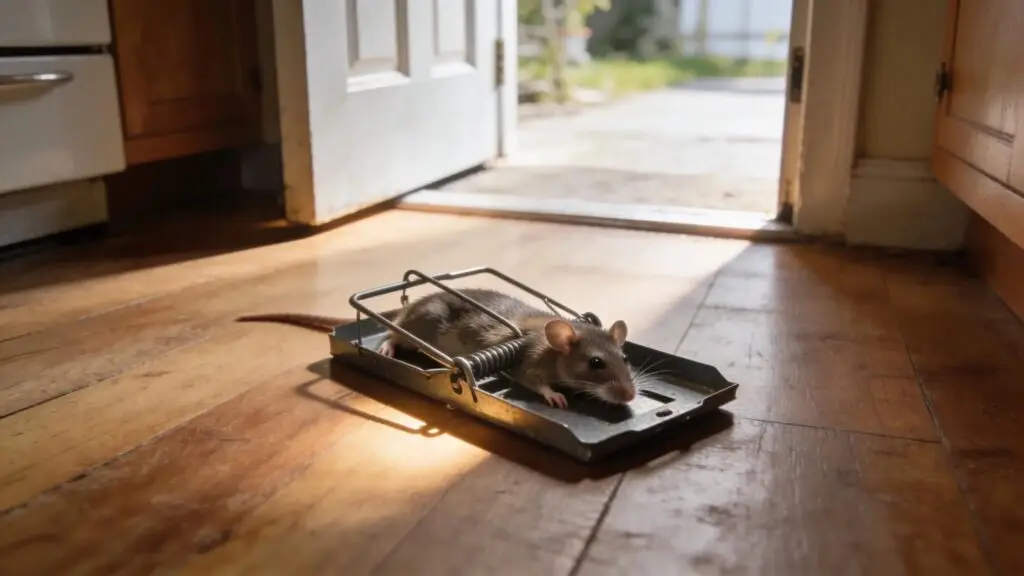
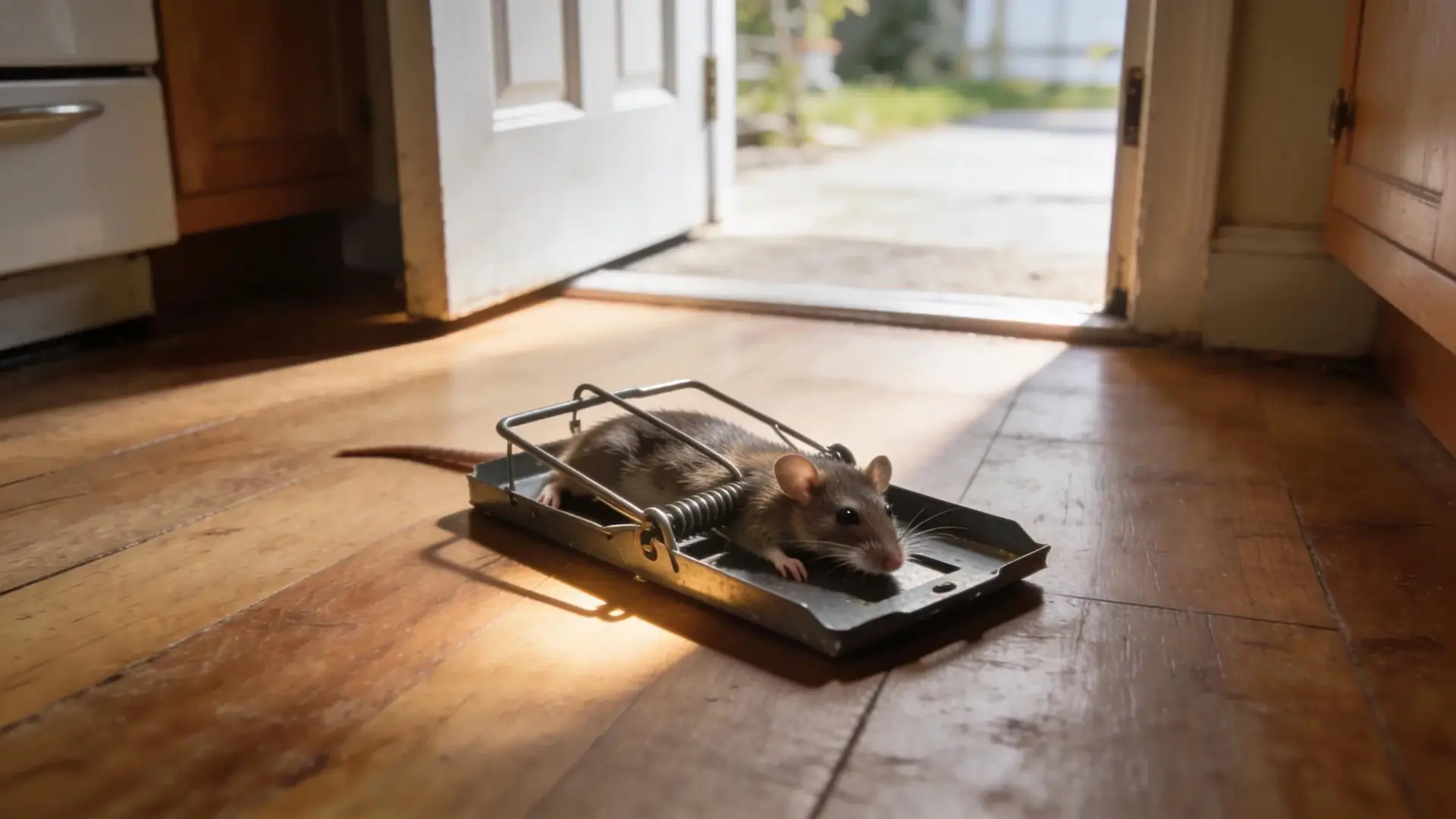
Snap traps catch the rodents already inside a building, but they leave the door open for the next ones. A thorough property inspection, not a trap alone, determines whether a rat or mouse problem calls for [trap based rodent control](https://clearviewpestcontrol.com/service/rat-mice-control/), exclusion work, or both. Without that inspection, trap placement becomes guesswork rather than strategy.
Understanding traps vs exclusion starts with a simple question: how are rodents getting in? Trap placement alone rarely answers that. A proper inspection identifies the entry point. The hiding place, giving a homeowner or property manager the full picture before any treatment decision gets made.
Do snap traps actually solve a rodent infestation?
Snap traps remove individual rodents, but they cannot seal the structural gaps that keep drawing new ones inside. Weighing rodent traps pros cons honestly means recognizing traps handle symptoms, not causes. Property managers who rely on traps alone often see the same problem return within weeks.
What’s the better long-term approach?
Reliable rodent management combines several tactics rather than depending on one single method. Once inspectors identify entry points and activity patterns, they can apply targeted strategies, including traps where genuinely useful, alongside sealing work. That combination is where rodent exclusion benefits become clear, and it’s central to how to stop rodent reinfestation for good:
- Inspection first, to locate nesting sites and access points
- Targeted trap placement, where activity is confirmed
- Structural sealing, to close the gaps traps can’t address
What Makes Rodent Exclusion a Permanent Fix?
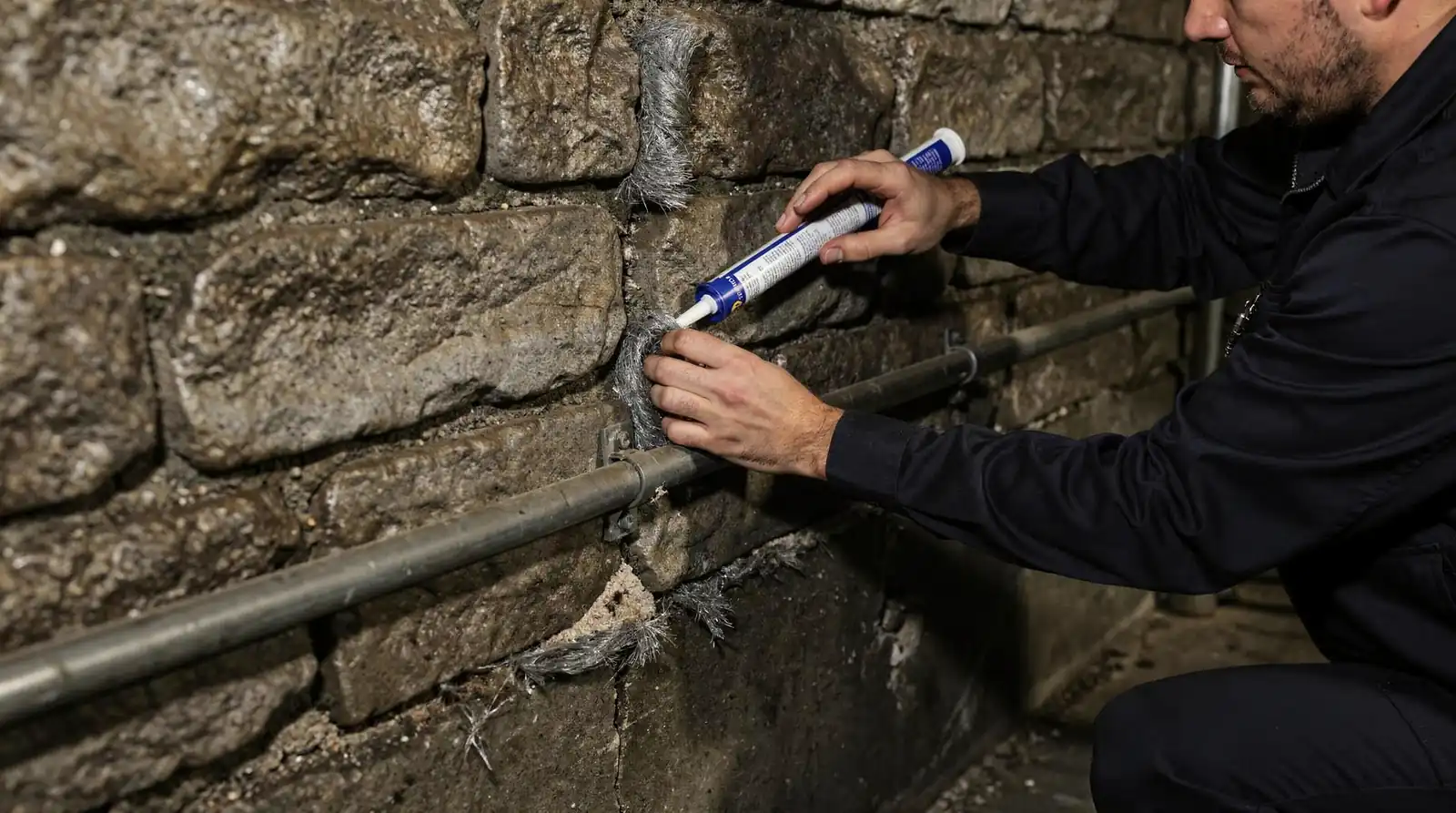
Sealing every crack, gap, and vent shuts down the pathways rodents use to get inside. Rather than reacting after mice or rats have already moved in, this approach removes their access entirely. That distinction sits at the heart of the debate over traps vs exclusion: one method manages a population already indoors. The other keeps rodents from arriving at all.
Structural weaknesses like gaps around pipes, damaged siding, or unsealed vents give rodents an open invitation. Left unaddressed, those same weak points cause chewed wiring, insulation damage, and repeated infestations year after year. Fixing the structure itself, rather than repeatedly catching what slips through, is what separates a lasting fix from a short-term patch.
Does exclusion really stop rodents from coming back?
Properly sealed entry points prevent reinfestation because the physical access is gone, not just the visible activity. Homeowner feedback describes technicians inspecting entire properties and exposing every access point driving the problem, then addressing each one individually.
Why does licensing matter for exclusion work?
Structural sealing and repair involve real modifications to a home, so licensed, insured work protects property owners from liability. Clearview Pest Control pairs that accountability with safe, case-specific materials chosen for each property’s particular vulnerabilities, rather than a generic treatment applied everywhere the same way.
How Do You Stop Rodents From Returning?
Permanent rodent control depends on sealing every possible entry point, not just removing the rodents already inside. Traps and bait address the current population, but gaps in a foundation or roofline invite the next one within weeks. Long-term prevention means treating the structure itself as the target, not just the animal.
Why does sealing entry points matter more than trapping alone?
An adult mouse squeezes through an opening the size of a dime. A rat needs only a gap the width of a quarter. That means small cracks around utility lines, vents, and foundation joints are open invitations. Exclusion work — physically sealing these gaps — stands as the strongest first line of defense against repeat infestations, far more reliable than rodent traps pros cons debates alone.
What role does quick response play in prevention?
Fast action limits damage before a small intrusion becomes a structural problem. One Clearview client reported squirrels trapped in a wall received same-day assistance, with the job completed efficiently and professionally. That kind of responsiveness matters for how to stop rodent reinfestation before it starts.
Property owners across Northern NJ and NYC benefit from:
- Round-the-clock availability for urgent inspections across Hudson County and Bergen County
- Locally owned, community-based follow-up service in towns including Hoboken, Kearny, and Kenilworth, NJ
- Structural sealing paired with rodent exclusion benefits like reduced fire hazards from gnawed wiring
- Rodent control coverage extending through Essex, Middlesex, Passaic, and Union counties, plus New York City and Queens, NY
Clearview Pest Control builds every prevention plan around this same core brand promise: safe, effective, lasting protection.
FAQ
Are traps enough to fix a rodent infestation?
No, snap traps only remove rodents already inside. They leave entry points open for new rodents to arrive, causing the problem to return.
Why is exclusion considered a permanent rodent solution?
Exclusion seals cracks, gaps, and vents rodents use to enter, removing their access entirely instead of just reacting after they’ve moved in.
What does Clearview’s rodent control process include?
Clearview combines a full inspection, structural sealing, and ongoing monitoring, following integrated pest management principles, with 24/7 availability in Bayonne and Englewood, NJ.
Conclusion
In closing, the most effective long-term rodent strategy combines both traps and exclusion into a comprehensive approach. While traps address immediate infestations, exclusion sealing eliminates the conditions that invite rodents in the first place. By closing entry points, removing food sources, and maintaining regular monitoring, you break the cycle of recurring problems. This integrated method protects your property from future invasions. Delivers lasting peace of mind, transforming reactive pest control into proactive prevention.