
Basement rodent exclusion proofing seals every gap larger than a quarter-inch. Mice squeeze through pencil-width openings, and Norway rats need only slightly more room, so lasting protection depends on precision, not guesswork. For homeowners and property managers across Northern New Jersey and New York City, this means closing foundation cracks, utility penetrations, and vent gaps wherever house mice and Norway rats enter. Clearview Pest Control pairs exclusion sealing with sanitation guidance, using eco-friendly, non-toxic monitoring to deliver permanent, humane protection rather than temporary trapping alone.
Key Takeaways
- Seal all gaps and holes in basements to block entry points where house mice and Norway rats infiltrate homes.
- Keep food and garbage sealed tightly indoors while maintaining clean outdoor areas free of rodent attractants.
- Rodents cause damage to electrical wires, gas lines, pipes, walls, and floors, requiring immediate professional intervention.
- Clearview Pest Control’s 24/7 availability ensures licensed, insured protection for homes and properties throughout Northern NJ and NYC against basement rodent invasions.
What Do You Need Before Sealing Your Basement?
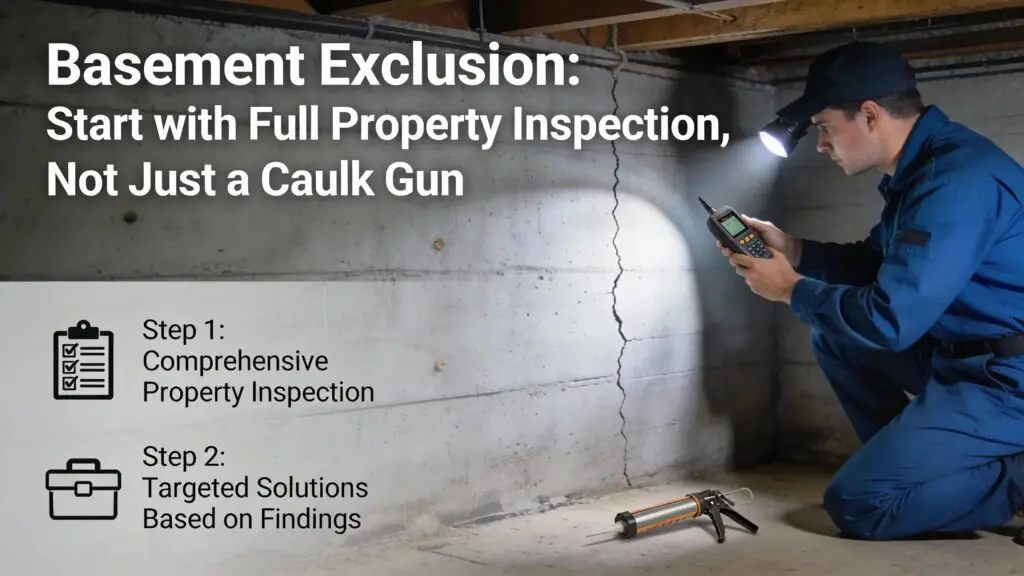
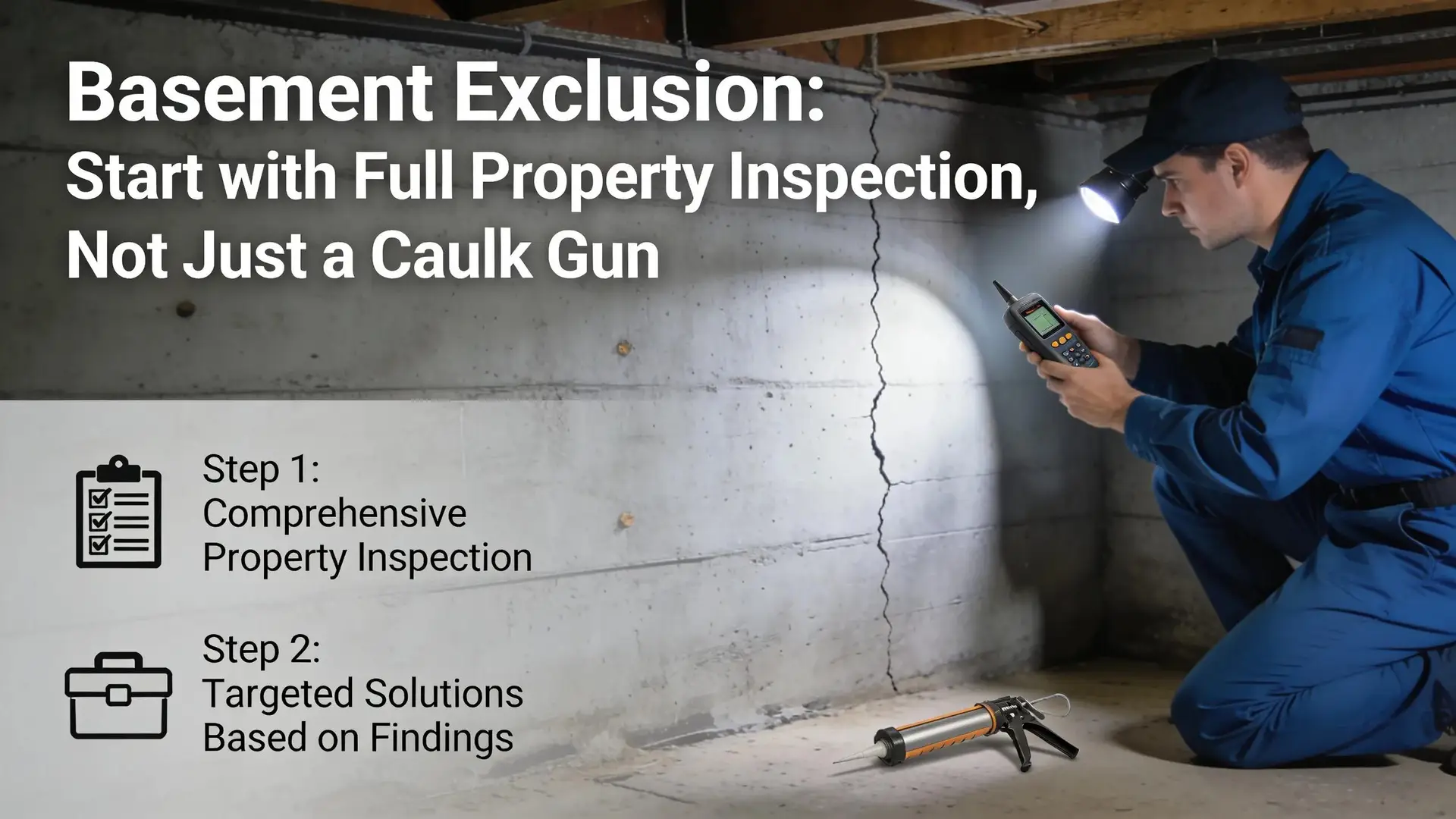
A successful basement exclusion project starts with a full property inspection, not a caulk gun. Technicians locate every entry point and hiding spot before any material goes on a wall. Skipping this step risks sealing the wrong gaps while rodents keep slipping through unnoticed openings elsewhere in the foundation.
Why does an inspection matter so much?
An inspection tells the technician exactly where rodents are getting in and where they nest. Clearview Pest Control staff walk the entire basement, review every crack and utility penetration, and explain the findings to the homeowner before starting any exclusion work. That conversation matters: property managers and homeowners deserve to understand the problem, not just receive a bill.
What size gaps actually need attention?
Mice squeeze through openings as small as a pencil’s width, roughly a quarter inch across. To seal rodent entry points effectively, materials must close gaps that small, not just the obvious holes.
Before scheduling, homeowners should gather:
- A flashlight for checking dark corners and sill plates
- Notes on recent sightings or droppings
- Access to utility penetrations and crawl spaces
Because service runs 24/7, scheduling an inspection promptly keeps a small gap from becoming a full infestation.
How Do You Seal Every Rodent Entry Point?
Sealing every rodent entry point starts with a full property inspection, not a guess-and-patch approach. A trained technician locates the exact gaps and hiding spots responsible for an infestation, then builds a targeted plan around those findings. This method turns basement exclusion into a precise, evidence-based process rather than a random collection of patched holes.
The following sequence outlines how a proper rodent proof basement project comes together:
- Conduct a full inspection. A technician walks the interior and exterior, identifying entry points and hiding places along foundation walls, utility penetrations, and basement corners.
- Document every gap found. Each opening gets logged and explained to the property owner before any work begins.
- Seal rodent entry points using materials built to resist gnawing. Caulk, mortar, and spray foam alone rarely hold up; rodents chew through these products with little resistance, so durable, gnaw-resistant barrier materials matter more than convenience.
- Apply treatment products carefully. Technicians use only safe materials and adjust the approach for each property’s specific rodent pressure, paying close attention to detail during every step.
- Complete basement rodent repairs. Structural gaps around pipes, vents, and wall penetrations get fully closed, not just cosmetically covered.
Why Does Every Gap Matter, Even Small Ones?
A single unsealed opening undermines an otherwise thorough exclusion job. Rodents exploit even minor gaps repeatedly, so partial sealing invites re-entry within weeks.
What Rodent Proofing Tips Help Homeowners Between Visits?
Property owners benefit from checking basement corners, behind appliances, and around fireplace openings regularly. Reporting new gaps promptly, before rodents establish a foothold, keeps a sealed basement genuinely protected long-term.
What Mistakes Undermine Basement Rodent Proofing?
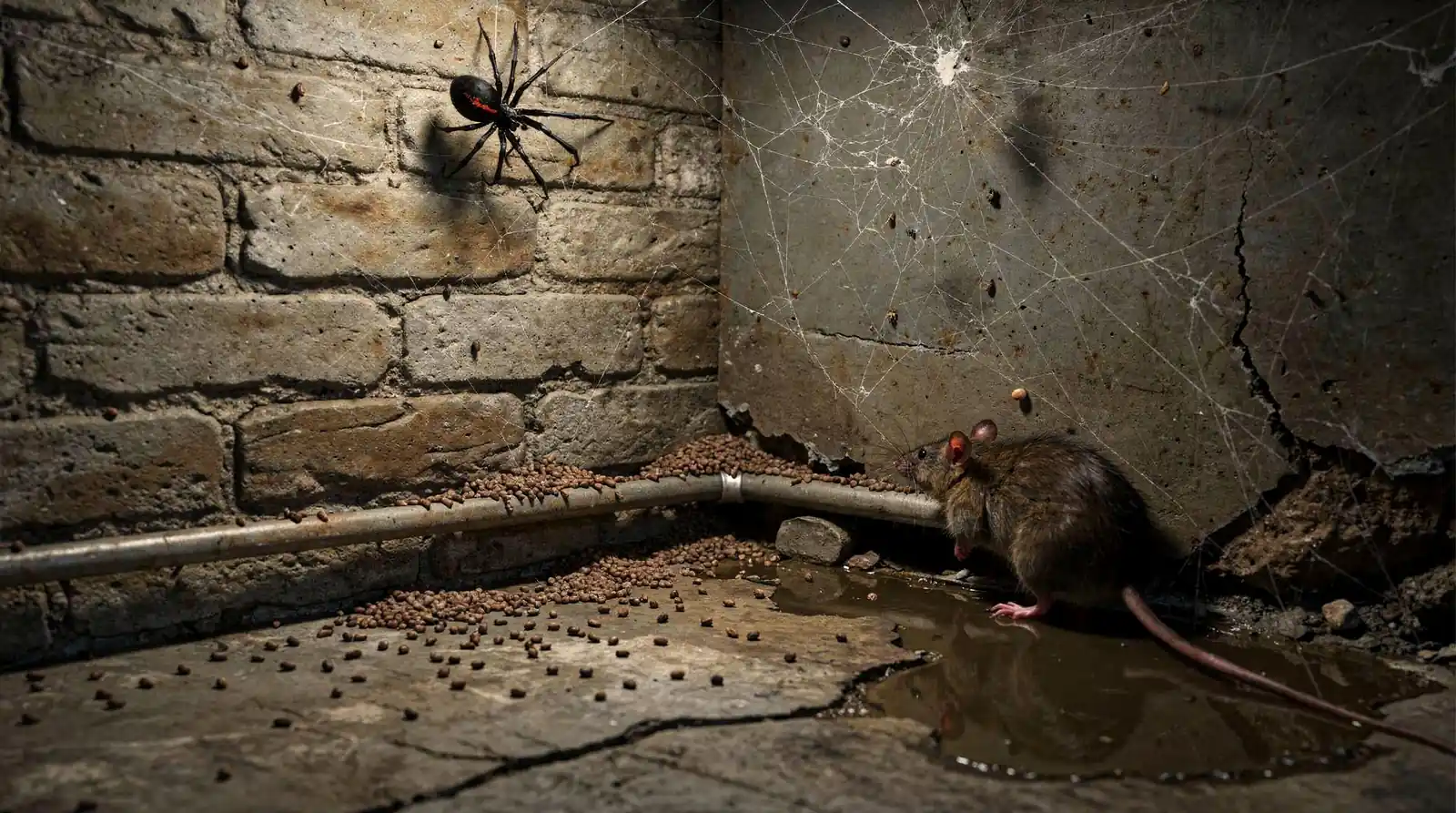
Common errors turn a solid basement exclusion plan into a revolving door for pests. Basements draw rodents naturally, offering food, water, and shelter alongside less foot traffic to disturb them. Property managers who overlook this reality often patch a few holes and assume the job is finished.
Does leaving food out really matter after entry points are sealed?
Yes, and this mistake undoes otherwise careful work. Sealing gaps and cracks accomplishes little if food and garbage inside the home stay exposed. Rodents will seek other ways in.
What happens if a basement infestation is ignored?
Ignoring visible droppings or scratching sounds lets mice and rats spread further into the house. Left untreated, these rodents migrate to other rooms, multiply quickly, and bring fleas, ticks, and lice along with them.
Additional missteps that compromise a rodent proof basement include:
- Attempting DIY repairs without proper technique, risking further structural harm
- Skipping inspection of hidden corners behind appliances and cabinets
- Assuming one sealed hole solves the whole problem
Careful, professional methods to seal rodent entry points and complete basement rodent repairs avoid the damage that rushed work often causes.
FAQ
What size gaps do technicians seal during basement rodent exclusion?
Technicians seal gaps as small as a quarter-inch, since mice squeeze through pencil-width openings. This includes foundation cracks, utility penetrations, and vent gaps throughout the basement.
Why does Clearview Pest Control start with a full inspection before sealing?
An inspection identifies exact entry points and nesting spots before any sealing begins. This evidence-based approach prevents technicians from missing gaps elsewhere while explaining findings directly to the homeowner.
What materials work best for sealing rodent entry points?
Durable, gnaw-resistant barrier materials work better than caulk, mortar, or spray foam alone, since rodents chew through these products easily. Clearview Pest Control applies materials carefully, adjusting the approach for each property’s rodent pressure.
Conclusion
In closing, basement rodent exclusion proofing represents a critical investment in protecting your home’s structural integrity and your family’s health. By sealing entry points, eliminating conducive conditions, and implementing ongoing monitoring, you establish a comprehensive defense against rodent intrusion. The combination of professional exclusion work and vigilant maintenance transforms your basement from a vulnerable access point into a fortified barrier, ensuring long-term peace of mind and a pest-free environment.