
Historic brownstone basements require sealing foundation cracks, managing humidity, and closing gaps around pipes and joists where rodents and moisture-loving pests like silverfish enter. Clearview Pest Control Inc., founded in 2020 and based in Bayonne, NJ, provides licensed, insured, 24/7 emergency service targeting the source of stone-walled basement infestations.
Key Takeaways
- Historic brownstone basements require sealing foundation cracks and managing humidity to prevent pest entry.
- Silverfish and house centipedes thrive in older basements; targeted treatments eliminate infestations effectively.
- Clearview Pest Control provides 24/7 emergency service for Bayonne, NJ homeowners facing basement pest problems.
- Licensed and insured pest control prevents costly structural damage from rodents in century-old foundations.
Why Are Historic Basements a Rodent Highway?
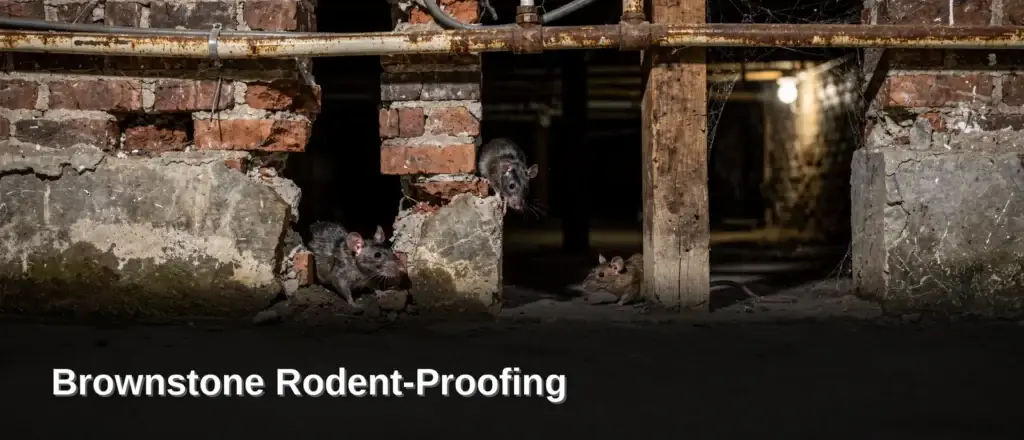
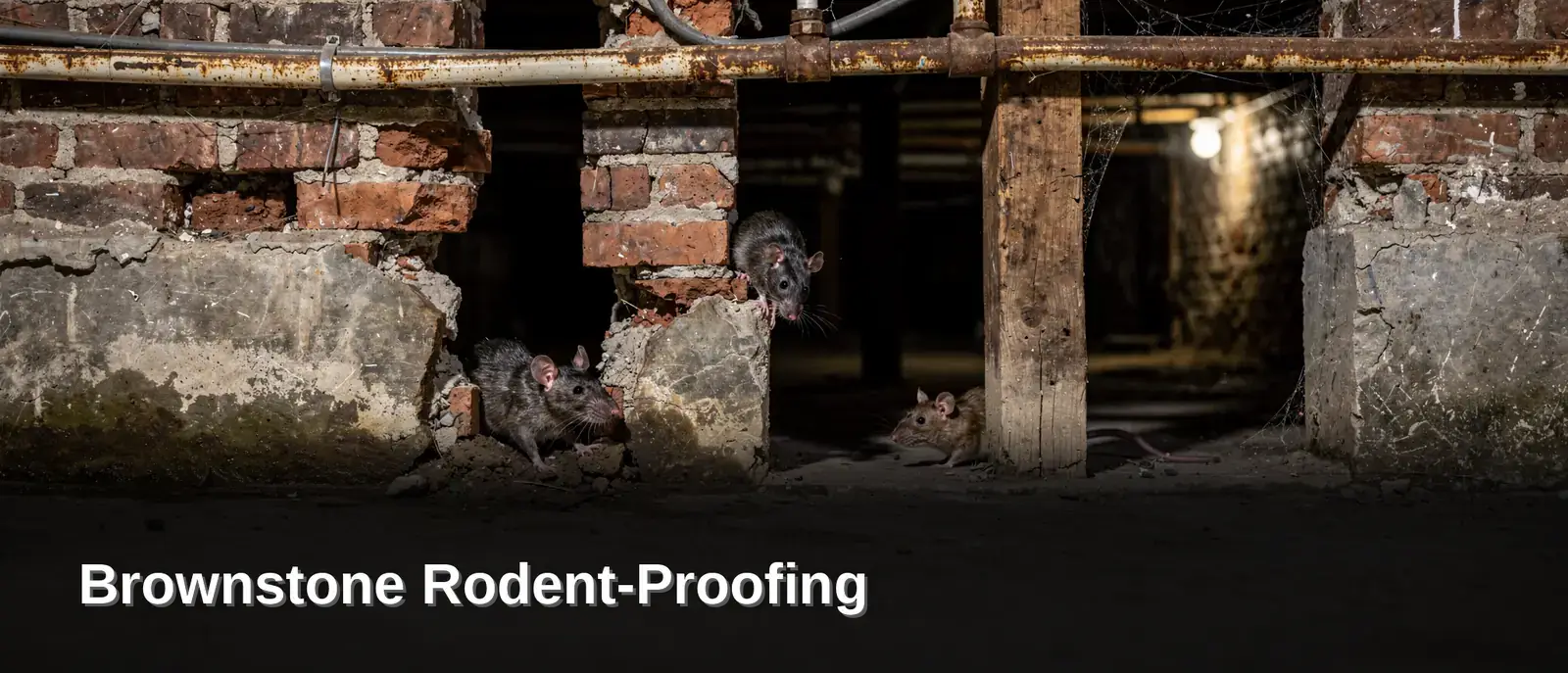
Shared foundation walls turn connected rowhouses into open corridors for rats and mice. Brick, mortar, and timber joints that once separated neighbors now link basements into a single connected system that rodents exploit freely. A gap the width of a pencil is often all a mouse needs to cross from one property into the next.
Age compounds the problem. Brownstones and rowhouses were built decades before builders considered pest-proofing at all. Foundations from that era were never designed to block rodent entry, leaving countless cracks, utility penetrations, and settled mortar joints that modern old homes inherit as vulnerabilities.
Can a Neighbor’s Rodent Problem Become Mine?
Yes. In attached housing, a mouse issue in a neighboring basement rarely stays contained. It travels through shared walls and utility chases, surfacing days later in an adjoining kitchen or pantry.
What Makes Shared-Wall Construction Riskier Than Standalone Homes?
Standalone houses limit rodent movement to a single structure. Rowhouses eliminate that boundary entirely, meaning effective brownstone rodent-proofing requires looking beyond one’s own walls.
Addressing this reality calls for [structural exclusion](https://clearviewpestcontrol.com/service/repairs-and-exclusions/), sealing entry points at the foundation, utility lines, and party walls before rodents establish a foothold:
- Foundation cracks and mortar gaps
- Pipe and wire penetrations between units
- Basement window wells and vents
How Do You Seal a Historic Basement for Good?
Permanent basement protection starts with closing every crack, gap, and utility penetration where moisture and pests enter the foundation. Stone-walled basements beneath historic brownstones hold dampness for generations. That dampness feeds silverfish, centipedes, and the rodents that follow food and water sources indoors. Left unaddressed, these gaps become permanent highways into the home rather than one-time nuisances.
Structural exclusion offers the most durable answer. This method combines humidity reduction with physical sealing of foundation cracks, using targeted, low-impact treatments as part of an integrated pest management approach. Sealing alone won’t hold if moisture keeps accumulating behind the walls, so both steps happen together, not separately.
What Makes Old Homes Different from Newer Construction?
Old homes feature masonry, mortar joints, and stone foundations that shift and crack over decades, creating openings modern concrete rarely develops. Original brownstone material also requires careful handling during repairs, since aggressive sealing methods can damage historic surfaces permanently.
Does Sealing Start With an Inspection?
Yes. Every basement project begins with a thorough walkthrough to pinpoint exactly where pests enter and hide within the structure. Only after mapping those entry points do technicians match treatment strategies to the specific pest and property.
Clearview Pest Control Inc., founded in 2020, brings this exact approach to Bayonne-area brownstones and pre-war basements. Being licensed and insured gives owners of century-old masonry added confidence when technicians work directly on original walls.
What Should Owners Watch for Between Visits?
Droppings tell the clearest story between scheduled inspections. Small dark pellets scattered on rooflines, in attic corners, or along crawl space edges signal a structural entry point somewhere on the property. Older buildings offer dozens of gaps where a determined squirrel or rodent can slip through. These markers deserve immediate attention rather than a wait-and-see approach.
How Can Owners Tell If an Infestation Is Active or Old?
Color offers the clue. Fresh droppings look dark brown and smooth, while older ones fade and dry out over time. A property manager who spots dark, moist pellets knows an animal recently passed through, which changes the urgency of the response.
Basements deserve equal attention, especially in stone-walled foundations common to pre-war construction. Damp conditions in these spaces attract silverfish. Centipedes, both of which feed on moisture and the smaller insects hiding within old mortar and stonework.
Owners should watch for:
- Fresh droppings on rooflines, attic floors, or crawl space entries
- Scratching or scurrying sounds within basement or wall cavities
- Damp corners or musty odors near stone foundation walls
- Small gaps or chewed openings around pipes and vents
Structural exclusion work closes these gaps before they widen into full infestations. As a locally owned provider, Clearview Pest Control responds quickly to older properties throughout Northern New Jersey and NYC, and 24/7 availability means new activity gets reported and addressed the moment it appears.
FAQ
Why do brownstone basements attract rodents and pests so easily?
Shared foundation walls, mortar joints, and timber connections link rowhouses into one system, letting rodents cross between properties through gaps as small as a pencil width.
Can pest problems spread between attached homes?
Yes, mice and other pests travel through shared walls and utility chases, meaning a neighbor’s infestation can surface in an adjoining basement or kitchen within days.
What does effective basement pest-proofing involve?
It combines sealing foundation cracks, pipe penetrations, and window wells with humidity reduction. Moisture and gaps together create lasting entry points for rodents and silverfish.
Conclusion
In closing, protecting a historic brownstone basement requires a comprehensive approach that combines structural sealing, moisture management, and professional pest exclusion. By addressing entry points, eliminating conducive conditions, and implementing integrated pest management strategies, you preserve both the integrity of your property and the health of your household. The investment in proper pest proofing today prevents costly damage. Infestations tomorrow, ensuring your cherished home remains secure for generations to come.