
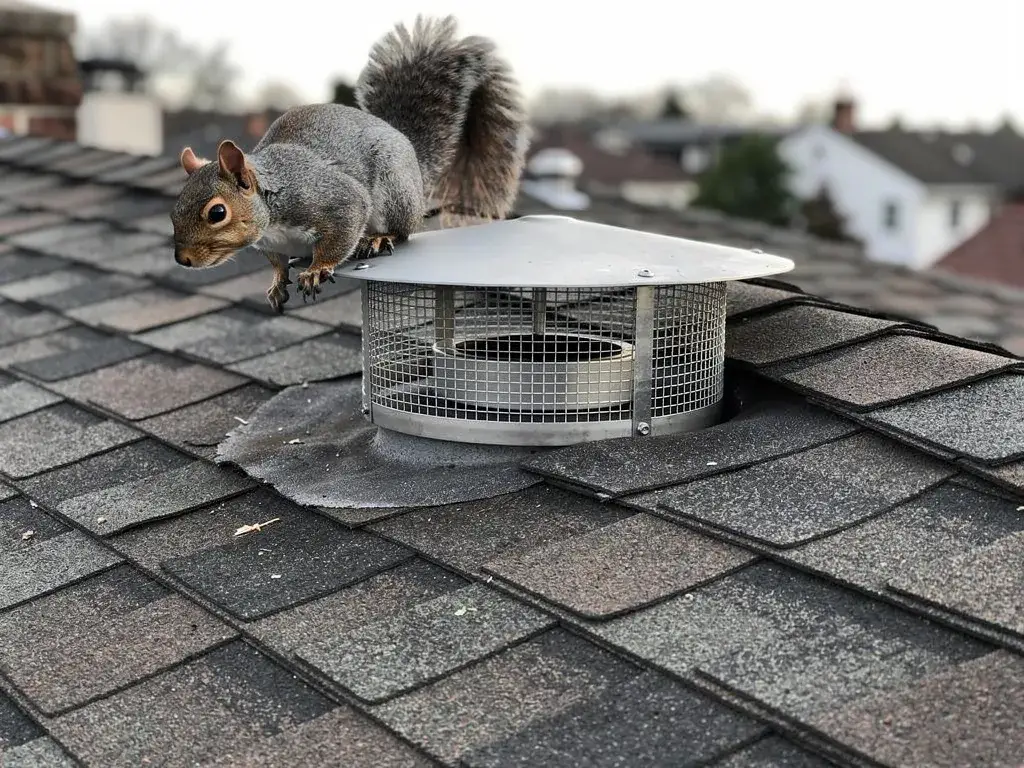
Steel mesh screens installed over vents and chimney caps block squirrel entry year-round. Clearview Pest Control & Exterminator Services, based in Bayonne, NJ since 2020, recommends professional inspection and installation, backed by licensed, insured technicians available 24/7 to seal gaps before squirrels nest inside.
Squirrel-proofing vents and chimneys requires heavy-gauge steel mesh or a chimney cap rated for wildlife exclusion. Squirrels gnaw through standard vent materials, plastic covers, and thin screening within minutes. Clearview Pest Control installs professional-grade exclusion barriers on roof vents, plumbing stacks, and chimney openings, sealing entry points permanently while preserving proper airflow and preventing costly attic damage.
Key Takeaways
- Roof vents, plumbing vents, and HVAC intake systems create three primary entry points squirrels exploit.
- Squirrels access homes through the top 10 most common vulnerable areas around your roof and walls.
- Unsealed venting systems on roofs leave your home unprotected against wildlife intrusion and damage.
- Proper vent sealing stops squirrels from entering walls, attics, and your home’s interior spaces completely.
Why Do Squirrels Target Vents and Chimneys?
Vents and chimneys offer squirrels a warm, sheltered gap into a structure that feels like a hollow tree trunk. Roof vents, plumbing stacks, and HVAC intakes rarely get built with materials tough enough to stop a determined squirrel; gnawing through thin metal flashing, plastic housing, or weathered wood takes these animals very little effort. That vulnerability turns ordinary construction gaps into open doors.
Chimneys pose a similar risk, especially uncapped ones near tree cover or rooflines. Once a squirrel squeezes past a loose cap or damaged crown, the flue becomes a direct route into living spaces. Effective chimney squirrel proofing closes off that path before nesting begins.
What happens once a squirrel gets inside?
Squirrels don’t just pass through — they settle in. Insulation gets shredded for nesting material, wiring gets chewed down to bare copper, and the resulting gaps invite other wildlife to follow the same trail. Left unaddressed, a single entry point becomes a recurring highway for repeat intrusions.
How fast should homeowners respond to squirrels in a vent?
Immediately. Clearview technicians have arrived the same day to remove squirrels trapped inside a home’s wall cavity, and that urgency matters. englewood pest control Clearview Pest Control maintains around-the-clock availability for urgent wildlife calls, reflecting a core brand promise: fast, humane response when vents, chimneys, or walls become squirrel highways.
How Can You Squirrel-Proof Roof Vents Effectively?
Effective squirrel proofing starts with covering vent openings in durable, chew-resistant materials while preserving airflow. Roof vents keep air circulating through the attic, releasing hot or cold air and preventing moisture buildup. Any method used to prevent squirrel entry must protect that function rather than block it outright.
Clearview Pest Control treats every vent job as an integrated problem: closing the entry point while ensuring the ventilation system remains functional. Licensed and insured technicians begin with a full inspection of the roofline, attic, and vent openings to locate exactly where squirrels are getting in and where they may be nesting. That inspection shapes the entire plan — no generic patch goes on before the entry point is confirmed.
What Materials Work Best for Squirrel Vent Covers?
Durable, vent-compatible squirrel vent covers allow air exchange while blocking rodent-sized gaps. Clearview technicians select materials based on the vent type. The extent of damage found during inspection, applying a tailored strategy instead of a one-size-fits-all fix.
Property owners can expect a process built around these priorities:
- Full roofline and attic inspection before any sealing begins
- Vent covers sized and fitted to preserve airflow
- Targeted repair strategies matched to the damage found
- Licensed, insured exclusion work from start to finish
This groundwork supports long-term attic squirrel prevention, reflecting Clearview’s promise of safe, effective, and environmentally responsible pest control for every property it protects.
What Stops Squirrels From Returning to Chimneys?
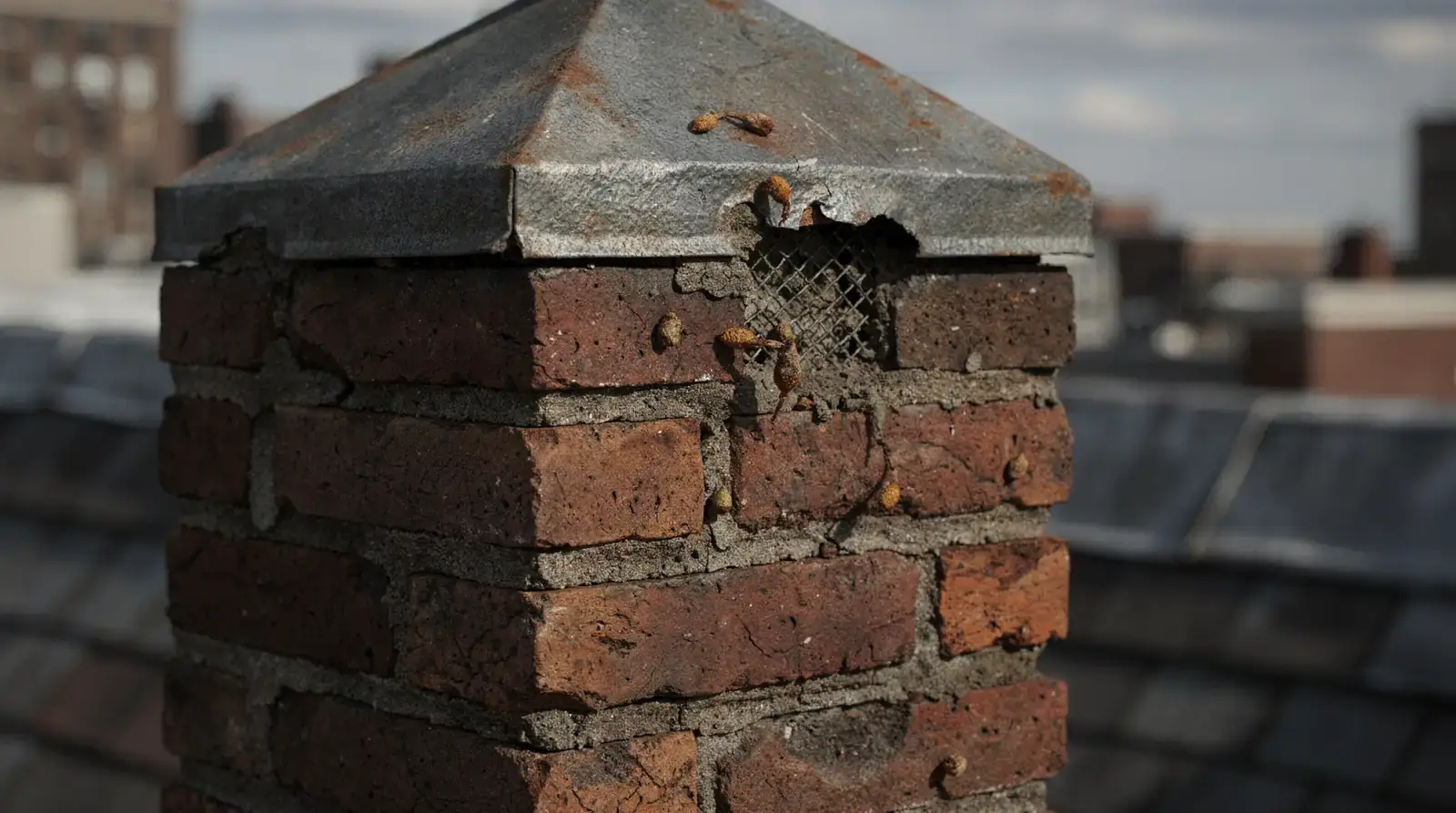
Sealed caps, reinforced flashing, and early detection of droppings keep squirrels from reclaiming a chimney once they leave. Chimney squirrel proofing works only when every gap gets closed at once; a single unprotected opening invites repeat intrusions. Left unresolved, squirrel activity chews wiring, shreds insulation, and reopens access points that a family thought were sealed.
Detection matters as much as sealing. Droppings near rooflines, attics, and crawl spaces often signal that squirrels have already found a way in. Homeowners frequently mistake this evidence for rat feces, which delays proper treatment and lets the problem grow.
How can property owners tell if squirrels are still active near the chimney?
Fresh droppings around the chimney base, attic floor, or crawl space point to ongoing activity rather than a past visit. Scratching sounds at dawn or dusk, paired with these signs, usually confirm squirrels remain nearby. Correct identification guides the right next step, whether that’s exclusion work or further monitoring.
Because Clearview Pest Control is locally owned, the team knows the roofline and chimney construction typical of New Jersey and New York City properties. That familiarity shapes a lasting approach to squirrel proofing and attic squirrel prevention, built around three priorities:
- Durable, weather-resistant chimney caps
- Sealed flashing and mortar gaps
- Regular inspection to catch new entry attempts early
FAQ
Why do squirrels target vents and chimneys?
Vents and chimneys offer warm, sheltered gaps that feel like hollow tree trunks. Thin metal flashing, plastic housing, and uncapped chimneys near tree cover give squirrels easy access with little effort.
What happens once a squirrel gets inside through a vent or chimney?
Squirrels shred insulation for nesting material and chew wiring down to bare copper. The resulting gaps invite other wildlife, turning one entry point into a recurring highway for repeat intrusions.
How fast does Clearview Pest Control respond to squirrel vent problems?
Clearview responds immediately, with technicians arriving the same day to remove squirrels trapped inside wall cavities. The company maintains 24/7 availability for urgent wildlife calls in Bayonne, NJ.
Conclusion
In closing, squirrel-proofing your vents and chimneys requires a comprehensive approach that combines physical barriers, regular maintenance, and professional expertise. By implementing the exclusion strategies outlined above—from chimney caps. Vent covers to sealed gaps and trimmed branches—you create a fortified defense against wildlife intrusion. However, if squirrels have already established entry points or caused structural damage, professional wildlife removal and exclusion services ensure safe, humane resolution and long-term prevention. Taking action today protects your home’s integrity and prevents costly repairs tomorrow.