
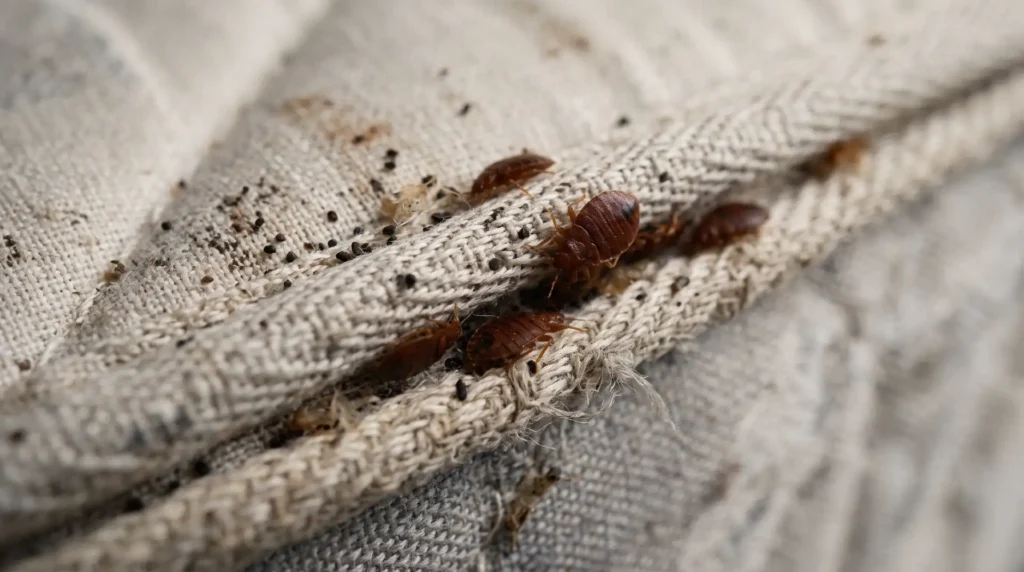

Bed bugs don’t follow a strict calendar, but fall tends to bring them back into focus. Summer travel wraps up, college students move back into apartments, secondhand furniture changes hands, and holiday guests start arriving. For tenants and property managers across North Jersey, a thorough inspection routine is the best way to catch bed bugs early, before one infested unit turns into several.
Here is a practical, step-by-step approach to inspecting apartments and townhomes for bed bugs, and how to know when it’s time to bring in a professional.
Why Bed Bugs Tend to Resurface in Fall
Bed bugs are hitchhikers. They travel on luggage, clothing, used furniture, and bedding, which means any increase in movement raises the risk of introduction. Fall brings several of those triggers at once:
- Return travel after summer vacations
- New tenants and students moving in and out of rentals
- Secondhand furniture and mattresses entering homes
- Holiday visitors staying overnight
In multi-unit housing, the risk is higher because bed bugs can move between connected units through wall voids, electrical outlets, and shared plumbing.
Know the Warning Signs Before You Inspect
Bites alone are an unreliable indicator, since reactions vary widely from person to person. Physical evidence is far more dependable. Look for:
- Small reddish or rusty spots on sheets and mattresses (crushed bugs or fecal staining)
- Tiny dark spots, about the size of a pen tip, along mattress seams and headboards
- Shed skins that look like pale, translucent shells
- Live bugs, which are about the size of an apple seed and reddish-brown
- A faint, musty odor in heavily infested rooms
Step-by-Step Bed Bug Inspection Protocol
A methodical inspection works best with a flashlight, a thin card (like a credit card), and plenty of patience.
Step 1: Start With the Bed
Strip the bedding and check the seams, tags, and piping of the mattress and box spring. Lift the mattress to inspect the underside of the box spring and the bed frame joints. Bed bugs favor tight, protected crevices within a few feet of where people sleep.
Step 2: Check the Headboard and Surrounding Furniture
Look behind and inside headboards, nightstands, and dressers. Slide your card along seams and joints to flush out hiding bugs.
Step 3: Inspect Upholstered Furniture
Couches, recliners, and armchairs are common secondary harborage areas, especially in studio apartments where the sofa sits near the bed. Check cushion seams, under skirts, and along the frame.
Step 4: Examine Baseboards, Outlets, and Wall Edges
Check where the wall meets the floor, behind loose wallpaper, around electrical outlets, and behind picture frames. These areas often reveal activity in more advanced cases.
Step 5: Look at Curtains, Closets, and Stored Items
Bed bugs can settle into curtain folds, closet corners, and cluttered storage. Reducing clutter makes inspection easier and gives them fewer places to hide.
Special Considerations for Apartments and Townhomes
Shared walls change how you should respond to a bed bug discovery.
- Report promptly and in writing. Tenants should notify the property manager as soon as they find evidence, so adjacent units can be checked.
- Inspect neighboring units. In multi-unit buildings, the units directly above, below, and beside an affected unit should be inspected as part of the response.
- Avoid moving items between rooms or units. Carrying infested bedding or furniture through hallways can spread the problem.
- Bag and seal before laundering. Place bedding and clothing in sealed bags before taking them to the laundry room.
Property managers dealing with recurring bed bug reports can also learn from our overview of bed bugs in Jersey City apartments and our guide to why DIY pest control fails in NJ apartments.
Why DIY Treatments Often Backfire
Store-bought sprays and foggers are a common first reaction, but they frequently make bed bug problems worse. Many bugs are resistant to over-the-counter products, and spraying can push them deeper into walls or into neighboring units rather than eliminating them. Because bed bugs hide in so many small places, partial treatment usually leaves survivors behind to rebuild the population.
What Professional Bed Bug Control Looks Like
A professional program starts with a full inspection to confirm the infestation and determine how far it has spread. From there, treatment is targeted to the areas where bugs are actually living, followed by monitoring and follow-up visits to confirm the problem is resolved. In multi-unit properties, coordinating treatment across affected and adjacent units is critical to preventing re-infestation. Our bed bug control service follows this approach for apartments, townhomes, and single-family homes alike.
Bed Bug Control Across North Jersey
Bed bug pressure looks different from town to town. Dense rental housing in Hoboken and across Hudson County means rapid spread between units, while Essex County communities like West Orange see a mix of apartments, townhomes, and single-family homes. Our team also serves Bayonne and surrounding areas, and cold-weather months are no exception, as covered in our guide to winter bed bug control in Bayonne.
Don’t Wait for a Small Problem to Spread
The sooner bed bugs are confirmed, the easier they are to eliminate. If your inspection turns up any of the signs above, or you’re seeing unexplained bites with no clear cause, contact Clearview Pest Control to schedule a professional inspection for your apartment, townhome, or multi-unit property.