

Rodent exclusion outperforms poison bait for lasting control in Northern New Jersey’s older, multi-family housing stock. Exclusion seals entry points permanently, while N.J. Admin. Code § 7:30-10.3 requires bait placement only in tamper-resistant boxes. Clearview Pest Control emphasizes structural sealing for effective, code-compliant rodent control across Hudson and Essex County properties.
Key Takeaways
-
New Jersey law requires rodent baits in tamper-resistant boxes or inaccessible locations per N.J. Admin. Code § 7:30-10.3.
-
Poison baits cause secondary problems: dead rodents in walls, pet poisoning, odors, and bacteria from decomposing carcasses.
-
Nontoxic monitoring baits detect rodent presence at entry points, burrows, and transport vehicles without toxicity risks.
-
Clearview Pest Control operates 24/7 in Bayonne, NJ as a licensed, locally owned exterminator service since 2020.
New Jersey law requires rodent baits in tamper-resistant boxes or inaccessible locations per N.J. Admin. Code § 7:30-10.3.
Poison baits cause secondary problems: dead rodents in walls, pet poisoning, odors, and bacteria from decomposing carcasses.
Nontoxic monitoring baits detect rodent presence at entry points, burrows, and transport vehicles without toxicity risks.
Clearview Pest Control operates 24/7 in Bayonne, NJ as a licensed, locally owned exterminator service since 2020.
Why Does Poison Bait Create Risks In NJ Homes?
Poison bait exposes Hudson and Essex County households to secondary hazards that outlast the original rodent problem. New Jersey regulation requires rodent bait to sit inside tamper-resistant boxes or in spots completely inaccessible to children, pets, and non-target wildlife. Many multi-family buildings throughout Northern New Jersey, including Jersey City, have basements, shared laundry rooms, and courtyards where curious pets or toddlers roam — spaces that make strict compliance difficult to guarantee.
Most pest control companies still default to poison as their primary weapon against rats and mice. That default creates problems the treatment itself was supposed to solve. Poisoned rodents frequently die inside wall cavities and floor joists, common in the older housing stock found throughout Hudson. Essex County, leading to foul odors, bacterial growth, and secondary poisoning risks for pets or backyard wildlife.
Are Nontoxic Baits A Safer Alternative?
Nontoxic monitoring baits serve a narrower purpose than most homeowners assume. Facilities like schools and medical centers use them to detect rodent activity while limiting pesticide exposure, not to eliminate an active infestation. For a Hudson County rowhome or Essex County apartment building, that distinction matters: monitoring alone won’t close entry points or stop reinfestation. Structural rodent exclusion vs traps offers a more reliable long-term path, since sealing entry points removes the conditions poison can’t fully address.

What Sets Structural Exclusion Apart From Traps?
Traps remove the rodents already inside a Jersey City apartment or Bayonne-adjacent duplex; sealing keeps the next generation from ever getting in. Structural rodent exclusion vs traps describes two different jobs, not competing options. Traps address the population currently active behind a Hoboken brownstone’s baseboards. Exclusion work closes the gaps, vents, and foundation cracks rodents use to enter in the first place. An effective program for Hudson and Essex County properties pairs targeted trapping with whole-property sealing and ongoing monitoring, rather than relying on bait boxes alone.
Why doesn’t trapping alone solve a rat or mouse problem?
Trapping only removes individuals present at the moment traps are set. New rodents keep entering through the same unsealed points, especially in older Northern New Jersey buildings near waterways or rail corridors. Long-term relief comes from combining trapping with exclusion sealing, not trapping in isolation.
What role do nontoxic baits play before exclusion begins?
Nontoxic monitoring baits get placed near entry points, burrows, and interior runways to confirm activity before crews commit to sealing work. This step tells technicians where rodents are entering a Passaic or Union County property before repairs begin.
Approach
Function
Trapping
Removes active rodents indoors
Exclusion sealing
Blocks future entry points
Monitoring
Confirms results, catches new activity
A documented Tenafly property reported no further mouse activity once exclusion sealing was completed, highlighting the importance of combining sealing with trapping for lasting results.
How Should Hudson And Essex Owners Decide?
Property type drives the decision more than personal preference. Older row homes in Jersey City, prewar multi-family buildings in Newark, and attached housing throughout Northern New Jersey share one trait: gaps in foundations, utility lines, and rooflines that give rodents repeated access. Comparing structural rodent exclusion versus traps starts with understanding what each method actually solves.
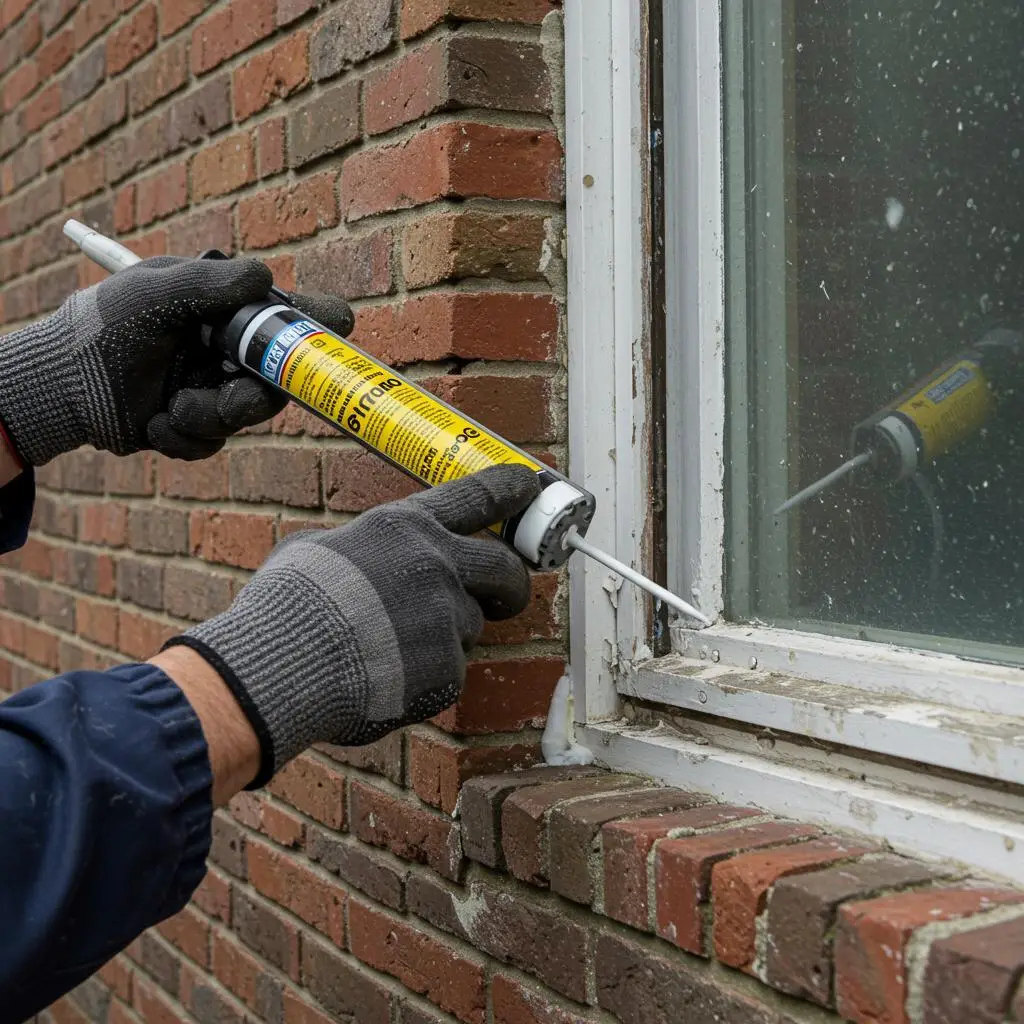
Traps remove existing rodents. Exclusion work — sealing entry points with steel mesh, concrete, or heavy-gauge materials — stops new ones from getting inside. Used alone, traps address a symptom; paired with exclusion, they close the case for good.
Which Option Fits Multi-Family Buildings In Hudson County?
Multi-unit properties with shared walls need exclusion first. One sealed entry point protects every unit connected to that gap, reducing repeat calls across the building.
Is Professional Help Necessary, Or Can Owners Handle This Alone?
Licensed technicians identify entry points that owners often miss, especially in older construction with hidden voids. Clearview Pest Control is licensed and insured to perform both exclusion and control work across Northern New Jersey properties.
Decision factors worth weighing:
-
Building age — older housing stock needs structural sealing, not just bait stations
-
Urgency — active infestations call for immediate response
-
Ownership type — landlords managing multiple units benefit from exclusion’s building-wide protection
Building age — older housing stock needs structural sealing, not just bait stations
Urgency — active infestations call for immediate response
Ownership type — landlords managing multiple units benefit from exclusion’s building-wide protection
Clearview Pest Control offers 24/7 availability. Its locally owned team brings direct familiarity with the housing patterns common throughout Hudson and Essex County.
FAQ
Why does poison bait pose risks in Northern New Jersey homes?
Poisoned rodents often die inside wall cavities and floor joists common in older Hudson and Essex County housing, causing odors, bacterial growth, and secondary poisoning risks to pets and wildlife. Strict tamper-resistant compliance is also difficult in shared basements and courtyards.
What is the difference between rodent exclusion and trapping?
Trapping removes rodents currently active inside a property. Structural exclusion seals entry points like gaps, vents, and foundation cracks to prevent future rodents from entering. Clearview Pest Control combines both approaches for lasting results.
Who provides rodent exclusion and baiting services in Northern New Jersey?
Clearview Pest Control, based in Bayonne, NJ, is a licensed, insured, and locally owned exterminator service operating 24/7 since 2020. They combine structural sealing with code-compliant baiting across Hudson and Essex County properties.
Conclusion
In closing, rodent exclusion and poison bait represent fundamentally different approaches to pest management, each with distinct advantages and limitations. Exclusion addresses the root cause by sealing entry points and eliminating habitat conditions, offering long-term prevention and safety for families and pets. Poison bait provides immediate control but requires ongoing monitoring and poses risks in residential environments. The most effective strategy combines both methods through integrated pest management, ensuring comprehensive rodent control tailored to your Northern New Jersey property’s specific needs.