
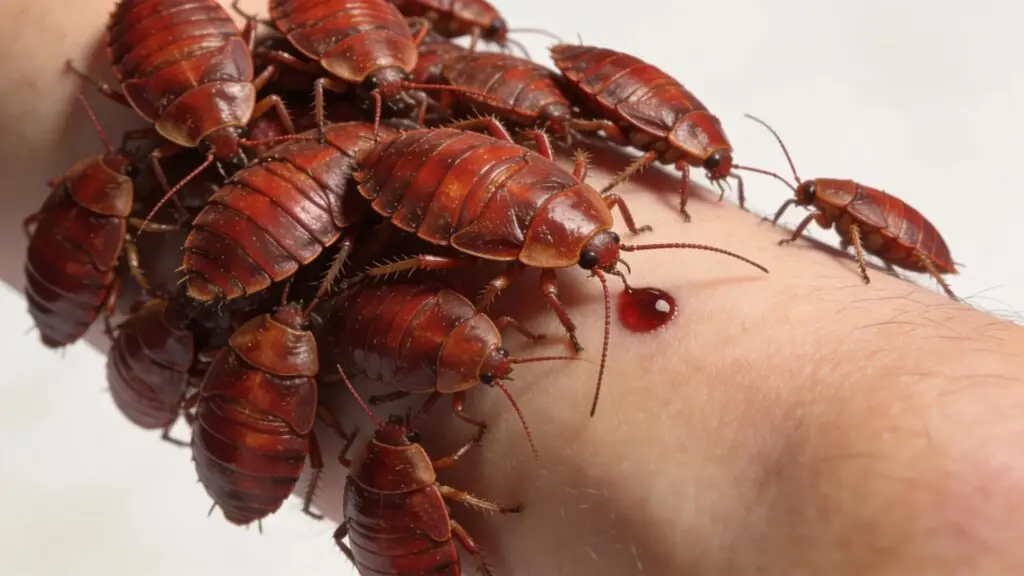

Store-bought sprays scatter German cockroaches deeper into wall voids and neighboring units instead of eliminating colonies, since these roaches reproduce up to six generations per year and hide in cracks aerosols never reach. Multi-family buildings need coordinated, building-wide integrated pest management treating all units simultaneously, not isolated spraying, which only disperses populations and worsens shared-wall infestations across apartments.
Key Takeaways
-
German cockroaches reproduce rapidly, with populations recovering quickly after DIY spray treatments fail.
-
Apartment building infestations persist because roaches find refuges in multifamily structures to repopulate.
-
DIY aerosol products and sprays prove ineffective against German cockroach control in apartments.
-
Professional pest control services like Clearview offer 24/7 licensed treatment to eliminate infestations.
German cockroaches reproduce rapidly, with populations recovering quickly after DIY spray treatments fail.
Apartment building infestations persist because roaches find refuges in multifamily structures to repopulate.
DIY aerosol products and sprays prove ineffective against German cockroach control in apartments.
Professional pest control services like Clearview offer 24/7 licensed treatment to eliminate infestations.
Why Do German Roaches Spread in NJ Apartments?
Building design, shared infrastructure, and winter heating systems drive most outbreaks — not tenant habits. Property managers often assume a resident’s cleanliness dictates whether roaches appear, but biology tells a different story. German cockroaches in apartment buildings NJ properties persist because of how multi-family structures are built and heated, not because of dirty dishes left in a sink.
Winter makes the problem measurably worse. Once heating systems run continuously through the colder months, warm pipe chases and shared walls become highways for roach movement between units. Activity that seemed manageable in October often multiplies by January.
Can one infested unit affect a whole building?
Yes. Roaches travel freely through shared plumbing, electrical conduits, and wall voids connecting adjacent apartments. A single neglected unit can seed populations throughout an entire floor, even in buildings where every other tenant keeps a spotless kitchen.
Why do treatments never seem to finish the job?
Multi-family housing offers roaches constant refuge. Populations retreat into neighboring walls during treatment, then recolonize once chemical activity fades.
Key structural factors behind persistent infestations include:
-
Shared wall cavities and utility chases linking multiple units
-
Centralized heating that keeps hiding spots warm year-round
-
Aging plumbing with gaps around pipe penetrations
-
Inconsistent treatment coverage across a building’s units
Shared wall cavities and utility chases linking multiple units
Centralized heating that keeps hiding spots warm year-round
Aging plumbing with gaps around pipe penetrations
Inconsistent treatment coverage across a building’s units
Addressing these factors requires building-wide strategy, not unit-by-unit guesswork.
Why Does Spraying Alone Backfire?
Aerosol cans push roaches deeper into walls instead of eliminating them. Store-bought sprays rarely reach the cracks. Crevices where German cockroaches in apartment buildings across NJ retreat, letting most of the population dodge a lethal dose entirely. The survivors simply wait out the fumes, then return once the residue fades.
Recovery happens fast. German cockroaches produce up to six generations per year. A population that looks knocked down in March can rebuild by summer. Spraying kills the exposed few while leaving egg cases and hidden adults untouched.
Does spraying make roaches harder to kill over time?
Yes. Repeated, unrotated spraying exposes roaches to sublethal doses again and again, and survivors pass on tolerance to offspring. Without an integrated pest management strategy and planned rotation of active ingredients, resistance builds quickly in multi-unit properties where roaches move freely between walls and units.
Why do NYC and NJ apartment buildings see the same infestation return?
Shared plumbing lines, connected wall voids, and dense unit clustering let roaches migrate between apartments faster than single-unit treatments can keep up. Residents across New York City report the same pattern — a treated unit’s roach problem reappears within weeks because neighboring units remain untreated. Common backfire patterns include:
-
Killing visible roaches while nests stay hidden in voids
-
Skipping neighboring units, allowing reinfestation through shared walls
-
Using one product repeatedly, accelerating resistance
-
Treating once instead of monitoring and retreating on a schedule
Killing visible roaches while nests stay hidden in voids
Skipping neighboring units, allowing reinfestation through shared walls
Using one product repeatedly, accelerating resistance
Treating once instead of monitoring and retreating on a schedule
What Actually Solves Apartment Roach Infestations?
A full inspection, not a spray can, solves lasting German cockroaches apartment buildings NJ problems. Skipping this step wastes money and leaves colonies intact behind walls and appliances. Lasting control starts with locating every entry point and hiding place before any product touches a surface. Only then can a licensed technician match treatment to the actual infestation instead of guessing.
Why do roaches keep coming back after treatment?
Blanket aerosol spraying scatters roaches into neighboring units instead of eliminating them. Effective strategies target confirmed harborage areas — cracks, motor housings, plumbing chases — with methods suited to that specific infestation. This precision approach, not generic fogging, breaks the reproduction cycle building-wide.
What should property managers look for in a pest control partner?
A qualified provider should offer:
-
Documented inspection findings before treatment begins
-
Targeted application methods, not generalized spraying
-
Rapid response for shared-wall, multi-unit emergencies
-
Licensed, insured technicians accountable for results
Documented inspection findings before treatment begins
Targeted application methods, not generalized spraying
Rapid response for shared-wall, multi-unit emergencies
Licensed, insured technicians accountable for results
Clearview Pest Control, locally owned and based in Bayonne, NJ, is fully licensed and insured. The company maintains 24/7 availability, giving property managers and residents urgent response when infestations spread between units.
FAQ
Why does DIY spraying make German roach infestations worse in apartments?
Aerosol sprays scatter roaches deeper into wall voids and neighboring units instead of eliminating them, leaving egg cases and hidden adults untouched to rebuild the population.
Why is building-wide treatment necessary instead of treating single units?
Roaches travel through shared plumbing, electrical conduits, and wall cavities connecting apartments, so a single neglected unit reinfests neighboring units even after isolated treatment.
Who should apartment residents contact for a German cockroach infestation?
Clearview Pest Control, a licensed, insured, and locally owned company based in Bayonne, NJ,
Conclusion
In closing, addressing German roach infestations in apartment buildings requires a strategic approach that avoids counterproductive spraying and instead prioritizes professional intervention. Clearview Pest Control’s integrated pest management strategies provide the expertise necessary to eliminate infestations effectively while protecting your property and residents. Our licensed, insured team delivers comprehensive solutions tailored to the unique challenges of multi-unit housing, ensuring long-term prevention and peace of mind for your community.