
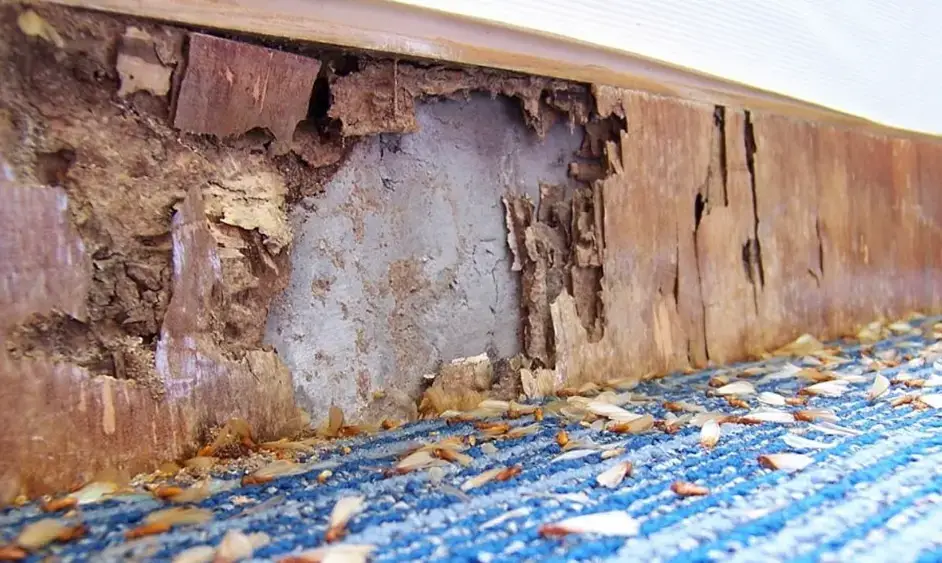

Termite inspections are a key part of property upkeep in Bayonne, NJ, where termite activity can cause costly damage. Regular inspections help homeowners spot early signs of infestation and limit repair costs. This article summarises recommended inspection intervals, common infestation signs, typical costs, and practical prevention measures to help protect your property.
Annual termite inspections are generally recommended in Bayonne to enable early detection and control. Frequency should be adjusted for property age, proximity to moisture, and local requirements. Older homes or properties near water may need inspections every six months. To address broader pest concerns, consider professional pest control services.
Annual inspections reduce the risk of progressive structural damage. Termites can weaken load-bearing elements and lead to major repair bills if not caught early. Routine checks allow prompt intervention and help control remediation costs, particularly in Bayonne’s humid, seasonal climate.
Biannual inspections suit high-risk properties: older homes, sites with past termite activity, or locations with elevated moisture. If you’ve seen past signs like mud tubes or wood deterioration, increase inspection frequency to protect structural integrity. For specialised issues, related services such as vole removal may be needed.

Early identification of termite indicators is critical. Common signs include visible wood damage, mud tubes along foundations or walls, and frass (termite droppings). Recognising these signs quickly allows for timely professional assessment and treatment.
Mud tubes are a primary indication of subterranean termites; they appear on foundations or exterior walls as protected travel routes. Listen for hollow-sounding wood and inspect wooden elements for tunnels or galleries. If you find these signs, contact a qualified pest control professional for a full inspection.
Other indicators include audible clicking in walls, doors or windows that stick from wood swelling, and frass resembling small wood pellets near entry points. Early detection limits structural damage. Addressing other pests, including squirrel removal, also helps maintain property integrity.
Inspection costs vary by property size and scope. Typical fees for a comprehensive termite inspection range from $100 to $250. Some companies offer free inspections as an introductory service, which can be useful when comparing providers.
| Service | Cost | Description |
|---|---|---|
| Standard Inspection | $100 – $250 | Comprehensive evaluation of the property for signs of termites. |
| Free Inspection | $0 | Offered by some pest control companies as an introductory service. |
| Treatment Options | Varies | Costs for treatment depend on infestation severity and methods used. |
The table summarises common inspection and service costs and highlights the importance of budgeting for pest management as part of routine maintenance.
To obtain accurate quotes, consider factors that affect pricing: property size, inspection complexity, and any additional services. Request estimates from multiple licensed pest control firms and ask for itemised breakdowns to avoid unexpected charges.
Common termite control methods include chemical soil treatments, baiting systems, and physical barriers. Effectiveness depends on infestation type and site conditions; a pest control professional can recommend the best approach. Related services, such as raccoon control, may be part of an integrated plan.

Preventing infestations requires routine measures that reduce conditions favourable to termites.
These steps can significantly lower the chance of termite establishment and protect structural components. For thorough protection, include services such as repairs and exclusions to seal potential entry points.
Act promptly: check for mud tubes, wood damage, or frass and contact a licensed pest control professional for a thorough inspection. Early intervention reduces damage and repair costs.
Homeowners can reduce moisture near foundations, seal exterior cracks, and store wood away from the home. Borate treatments on exposed wood offer limited protection, but professional treatment is recommended for established infestations.
High-risk homes often are older, have wood in contact with soil, sit near standing water or leaks, or have a history of termite activity. Regular inspections help assess and manage risk.
Untreated termite activity can weaken framing, cause sagging floors, and impair doors and windows, potentially requiring major repairs and lowering resale value. Prompt detection and remediation limit long-term harm.
Warm, humid weather increases termite activity; Bayonne typically sees more activity in warmer months. Cooler periods may reduce surface activity but do not eliminate the risk, so year-round inspections are advisable.
An inspector will examine foundations, exterior and interior walls, crawl spaces, and accessible wood for mud tubes, frass, and damage, and may assess moisture and ingress points. A report with findings and recommendations follows the assessment.
Termites do not spread disease, but the structural damage they cause can lead to mould and moisture problems that affect indoor air quality and respiratory health. Regular inspections help identify and reduce these risks.
Regular termite inspections help Bayonne homeowners limit structural damage and protect property value. By following recommended inspection schedules and watching for common signs of infestation, homeowners can take proactive steps to safeguard their properties. Licensed pest control professionals can provide tailored management and prevention strategies—schedule a professional inspection to establish a baseline and protection plan for your home.