Historic brownstones in Brooklyn, Manhattan, and Jersey City require exclusion sealing at foundation gaps, cornices, and aging mortar joints where rodents enter. Clearview Pest Control & Exterminator Services uses integrated pest management to seal entry points without damaging original brickwork, serving brownstone owners throughout Northern New Jersey and NYC from its Bayonne, NJ base.
Key Takeaways
-
Historic brownstones require specialized rodent exclusion strategies due to aging infrastructure and structural vulnerabilities.
-
Rodent proofing seals building entry points permanently, preventing re-infestation rather than relying on traps alone.
-
Clearview Pest Control offers 24/7 availability, ensuring prompt response to rodent threats in your historic property, though response times may vary based on location and demand.
-
Licensed and insured exclusion services protect your brownstone’s structural integrity while eliminating pest access points.
Why Are Historic Brownstones So Rodent-Prone?
Age drives the vulnerability. Century-old construction, stone facades, and layered additions create countless hidden pathways that modern homes simply don’t have. A brownstone rodent exclusion plan has to account for gaps rats. Mice have used for generations, not just the ones visible today.
Original brownstones were built to last, but decades of settling shift foundations and widen seams around pipes, sills, and cornices. Mice exploit these openings without much trouble. Cracked mortar, aging basement walls, and antique coal chutes turn charming architectural details into rodent highways.
Do older homes really attract more rodents than newer construction?
Yes. Historic properties carry decades of settling and structural wear that newer builds haven’t accumulated yet. Those small shifts in foundation and framing create entry points rodents actively seek out, especially near basements and shared party walls common in row-house construction.
What makes brownstone basements especially vulnerable?
Stone foundations, coal chute remnants, and aging mortar joints give rodents direct access below grade. Effective basement rat exclusion starts with sealing these original features without altering their historic appearance.
Owners also carry full responsibility for the property, unlike renters who once called a landlord. Practical brownstone pest tips for rodent proofing brownstone structures include:
-
Inspecting foundation seams and mortar joints seasonally
-
Sealing utility penetrations with rodent-resistant materials
-
Monitoring basements and party walls for fresh gaps
Preserving character while achieving rodent proof historic homes requires precision, not shortcuts.
How Does Professional Rodent Exclusion Work?
Professional exclusion begins with a structural inspection that locates entry points as small as a dime. Pipe penetrations, worn door sweeps, and hairline foundation cracks common in century-old row houses. Brownstone facades hide these gaps behind decorative trim and aging mortar. A trained technician checks areas a typical homeowner walk-through would miss.
Once entry points are mapped, brownstone rodent exclusion moves into physical sealing. Crews use high-grade steel wool, copper mesh, and specialized sealants to close gaps without damaging original stonework or millwork, effectively building rodents out of the structure rather than simply chasing them room to room.
True rodent proofing brownstone work goes beyond trap placement. Sealing the building envelope against re-entry matters more than removing a handful of mice, since untreated gaps invite new populations within weeks.
What if rodents are already inside the home?
Tamper-resistant bait stations and targeted trapping reduce existing populations safely, without exposing children, pets, or building occupants to open poison. This step runs alongside exclusion work, not instead of it.
Why does basement rat exclusion matter so much in brownstones?
Rats and mice stay a constant presence in dense urban infrastructure, and basements in older buildings offer damp, undisturbed harborage near utility lines. Addressing basement rat exclusion early prevents the kind of structural gnaw damage that turns into costly repairs later.
Effective rodent proof historic homes strategies combine:
-
Entry-point inspection focused on foundations, utility penetrations, and door sweeps
-
Durable sealing materials matched to masonry and wood surfaces
-
Safe population reduction using enclosed stations
-
Ongoing checks to catch new gaps before rodents find them
What Should Brownstone Owners Do Next?
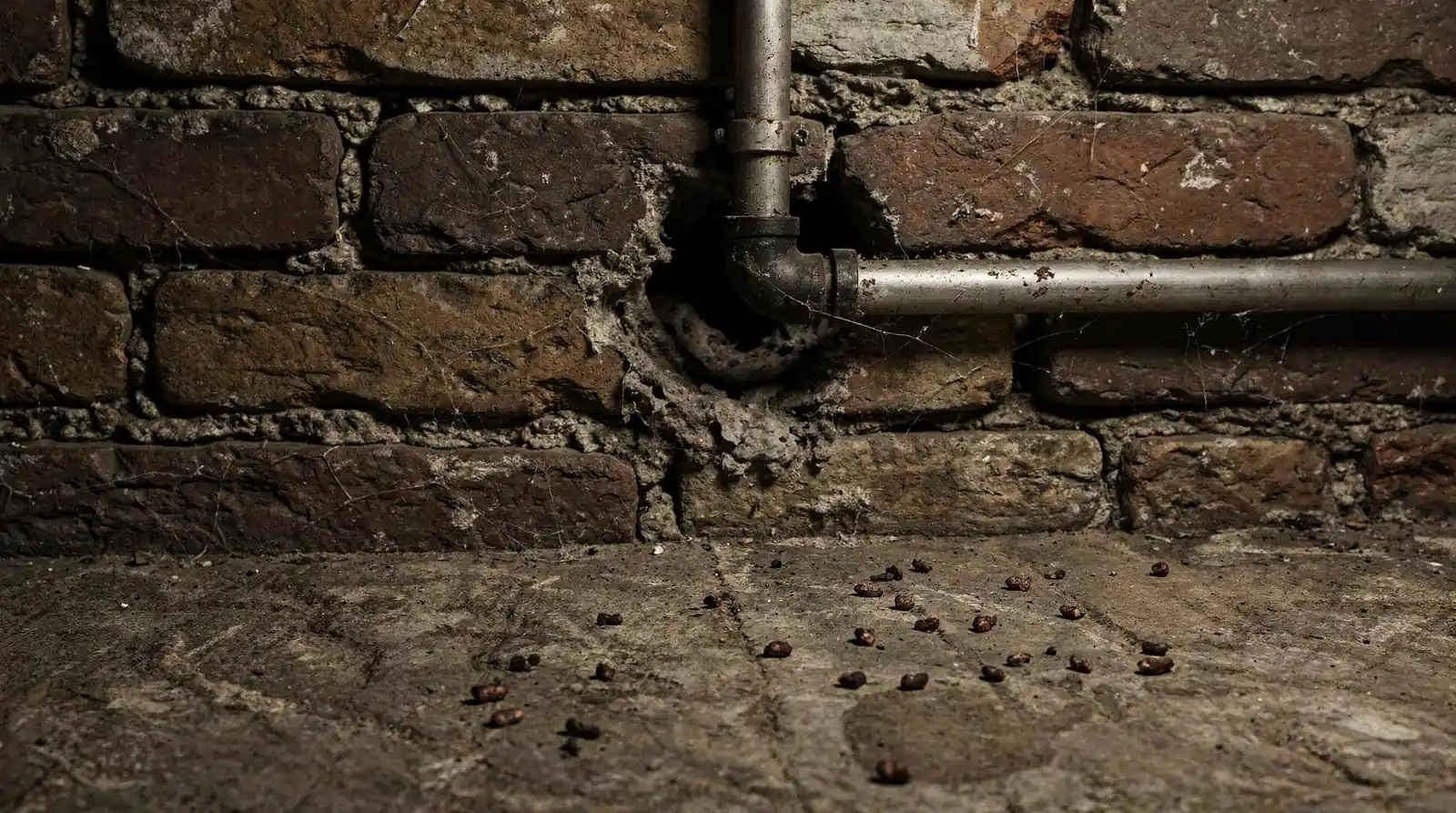
Ownership of a historic brownstone carries a direct duty: once the deed transfers, rodent problems become the owner’s problem, not a landlord’s. That shift catches many buyers off guard. Waiting rarely pays off. Scratching in the walls or droppings near the boiler room signal a problem that grows larger. More expensive, the longer it sits unaddressed.
Early action changes the outcome. Brownstone owners who schedule an inspection at the first sign of activity typically avoid the structural damage that comes with a full-blown infestation.
When Should a Brownstone Owner Call an Exterminator?
Call as soon as droppings, gnaw marks, or nighttime noise appear, rather than waiting for daytime sightings. Clearview Pest Control offers 24/7 availability, so sudden activity in a brick rowhouse doesn’t have to wait until Monday morning.
What Makes a Pest Company Suited to Historic Homes?
Familiarity with old construction matters. As a locally owned company, Clearview brings direct experience with the stone foundations, coal chutes, and layered additions common in older housing stock. The team is also licensed and insured to perform basement rat exclusion, sealing work, and structural repairs without compromising original masonry or trim.
FAQ
Will rodent exclusion damage my brownstone’s original brickwork?
No. Clearview Pest Control uses steel wool, copper mesh, and specialized sealants to close entry points at foundation gaps, cornices, and mortar joints without damaging original stonework or millwork.
Why do brownstones need exclusion instead of just trapping?
Trapping alone doesn’t stop re-infestation. Sealing entry points permanently builds rodents out of the structure, addressing foundation seams, utility penetrations, and basement gaps that traps ignore.
What happens if I discover rodents in my brownstone after hours?
Clearview Pest Control offers 24/7 availability, ensuring prompt response to rodent threats. The licensed, insured, locally owned company serves brownstone owners throughout Northern New Jersey and NYC from its Bayonne, NJ base.
Conclusion
In closing, protecting your historic brownstone from rodent intrusion requires a comprehensive approach that respects both the structural integrity of your property and the need for effective, lasting results. By combining thorough inspection, strategic exclusion sealing, and ongoing monitoring, you establish a robust defense against future infestations. The investment in professional rodent exclusion today safeguards your home’s value, preserves its architectural character, and provides the peace of mind that comes with knowing your property is secure against these persistent urban pests.