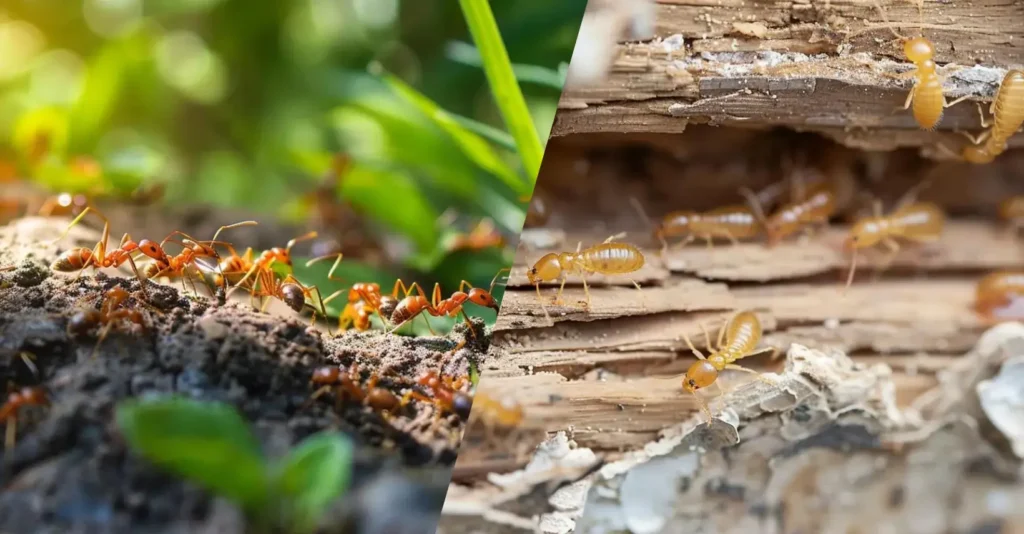

The common seasonal pests in Englewood, NJ are ants and termites in spring, wasps, hornets and mosquitoes in summer, mice, rats and stink bugs in fall, and German cockroaches and pantry pests in winter. If you know the calendar, you can seal, clean and inspect a few weeks before each wave arrives instead of after it is already inside.
Here is what to expect each season in Englewood homes, the signs to watch for, and what you can do about each one.
Spring: Ants and Termites
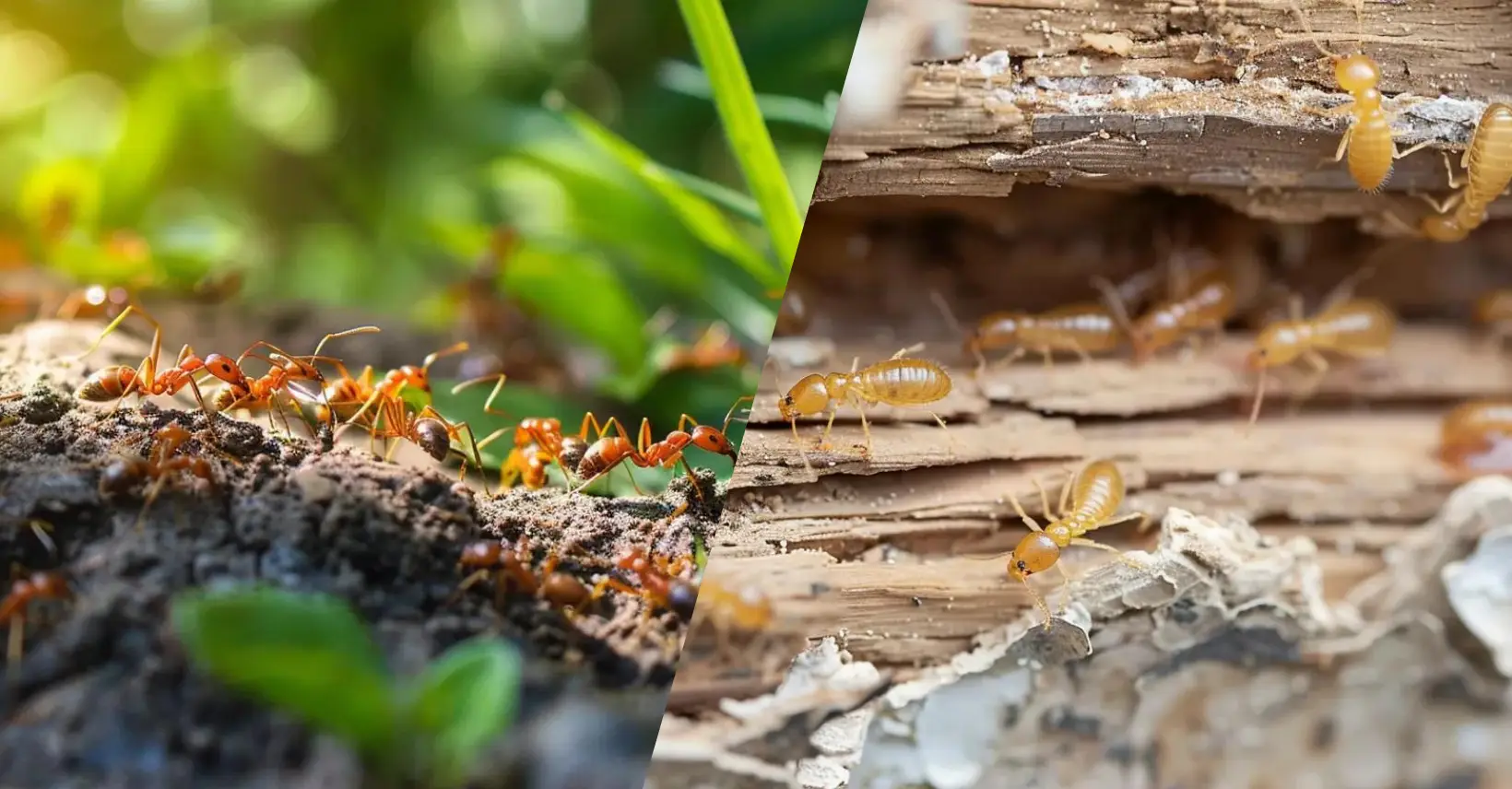
As the ground warms, ant colonies start foraging again, and their trails often lead straight to kitchens, pantries and pet bowls. Most are a nuisance, but carpenter ants are different. They nest in damp or damaged wood around windows, doors, porches and basements, and a colony left alone can damage wood over time. Piles of fine sawdust near wood trim are a warning sign. Our ant control page explains how we track down the nest.
Spring is also when termites swarm. Subterranean termites are the most common termites in New Jersey. Signs to look for:
- Swarms of small winged insects near windows or lights, or piles of shed wings on sills
- Pencil-width mud tubes running up foundation walls
- Wood that sounds hollow when tapped, or paint that bubbles for no clear reason
Clearview treats termites with liquid soil treatment and foam, followed by ongoing monitoring. We do not fumigate. See our termite control page.
Summer: Wasps, Hornets and Mosquitoes
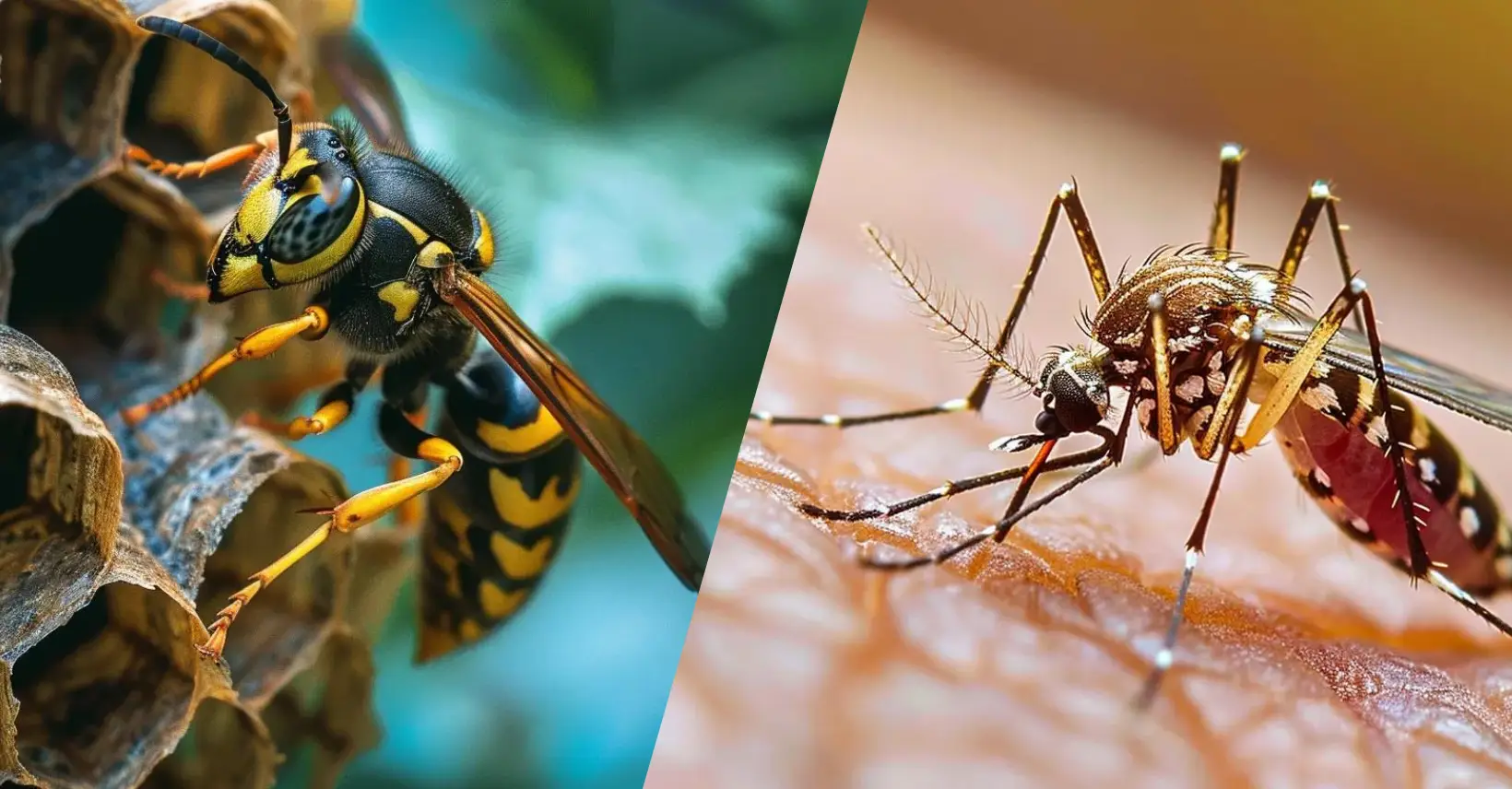
By mid to late summer, yellow jacket and paper wasp nests are at their largest, and the insects defend them hard. Nests show up under eaves, in attics, in shrubs and in the ground. Bald-faced hornets build large, papery nests in trees or under overhangs. Unlike honey bees, wasps and hornets can sting more than once.
If you find a nest, keep people and pets away and call. Our process is an inspection to locate the nest, nest removal and treatment, with a 90-day warranty. See our wasp control page.
Mosquitoes also peak in summer. They breed in standing water, so check clogged gutters, flower pot saucers, buckets, birdbaths and low spots in the yard after rain. Besides itchy bites, mosquitoes in New Jersey can carry West Nile virus. See our mosquito control page.
Fall: Mice, Rats, Cluster Flies and Stink Bugs
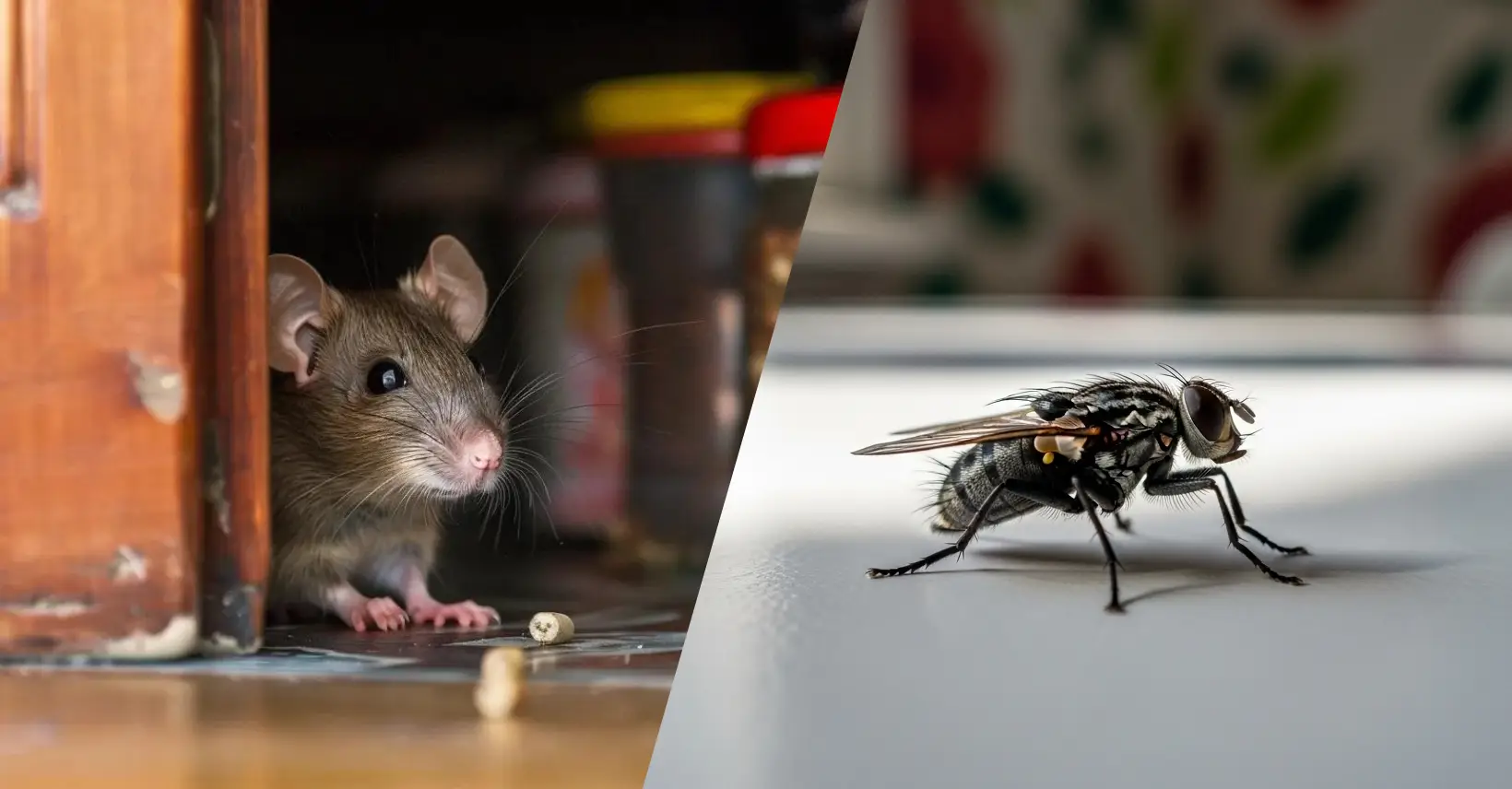
When nights turn cold, mice and rats look for a warm place to spend the winter, and Englewood homes are an easy target. They get in through very small gaps around foundations, utility lines, garage doors and roof edges. Signs include droppings in cabinets and along walls, gnaw marks, and scratching in walls or ceilings at night.
Fall is the best time to seal those gaps. Our rodent process is inspection, finding the entry points, sealing them, treatment and sanitation. Rodent control starts at $145, with a 3- or 6-month warranty, your choice. See our rat and mice control page.
Two other fall visitors are cluster flies and brown marmorated stink bugs. Both gather on sunny walls in fall and slip into attics and wall voids for the winter, then show up indoors on warm days. They do not damage the house, but they can show up in large numbers and stink bugs leave a strong smell when crushed.
Winter: German Cockroaches and Pantry Pests
Cold weather slows most outdoor pests, but heated homes keep German cockroaches active all year. They stay close to warmth, water and food in kitchens and bathrooms, and their droppings and shed skins can trigger allergies and asthma, which matters more when the windows are closed. See our roach control page.
Pantry pests such as Indian meal moths and flour beetles get into flour, cereal, pet food and birdseed. Look for small moths flying in the kitchen, webbing in food packages, or tiny beetles in dry goods. Throw out infested food and store the rest in sealed containers.
A Season-by-Season Checklist for Englewood Homes
- Late winter: check the foundation and basement for mud tubes and soft wood before termite season.
- Spring: wipe up ant trails, fix leaks and move mulch and firewood away from the house.
- Early summer: empty standing water every week and look under eaves for small nests while they are still small.
- Late summer to fall: seal gaps around pipes, vents and doors, add door sweeps and trim plants back from the walls.
- Winter: keep counters and floors clean, fix drips under sinks and store dry food in sealed containers.
Why Timing Matters

Each pest has a window when it is easiest to stop. Sealing a gap in September is easier than trapping mice in January. Removing a wasp nest in June is easier than in August, when the colony is at its largest. Seasonal problems also connect: a moisture problem that draws spring ants can feed termites, and the same gaps that let mice in during fall let insects in all year.
Seasonal Pest Control From Our Englewood Office
Clearview Pest Control has an office in Englewood at 61 W Palisade Ave, Suite 2B, and a second office in Bayonne. Every visit starts with an inspection, so we treat what is actually there. Learn more on our Englewood, NJ pest control page.
Call 201-706-7437 to schedule an inspection.
Seasonal Pests FAQ
When do termites swarm in New Jersey?
Mostly in spring, often on a warm day after rain. Swarmers near windows or piles of shed wings on sills are a sign of a nearby colony.
Why do mice come inside in the fall?
Cooler nights send them looking for warmth, food and a place to nest, and small gaps around the foundation and utility lines let them in.
Are wasps worse in late summer?
Yes. Colonies are largest late in the season and defend their nests more, so stings are more likely then.
Which pests stay active in winter?
German cockroaches, mice and pantry pests, because heated homes give them warmth, water and food.
What is the best time to pest-proof my home?
Late summer and early fall, before rodents move in. Spring is the time to check for termites and ants.