

By Clearview Pest Control & Exterminator Services Editorial Team · Updated 2026-09-03
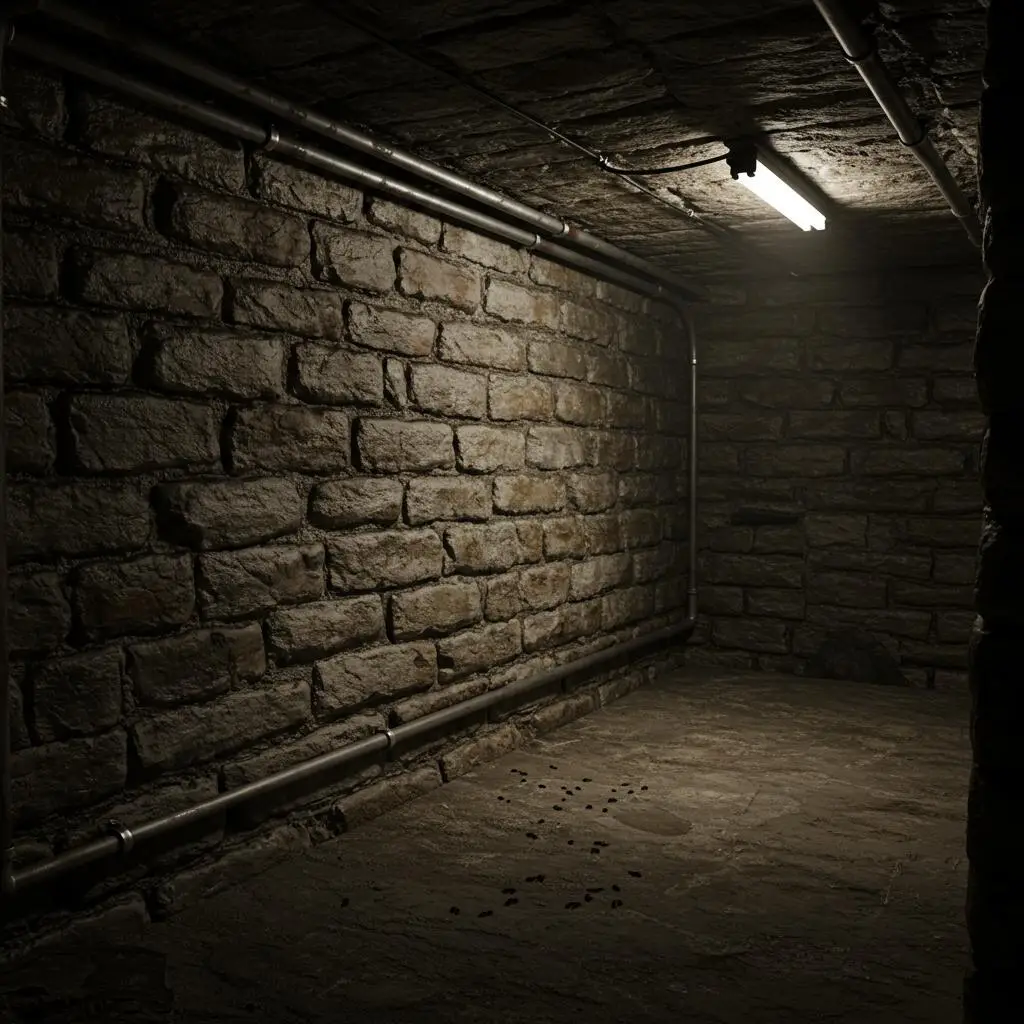
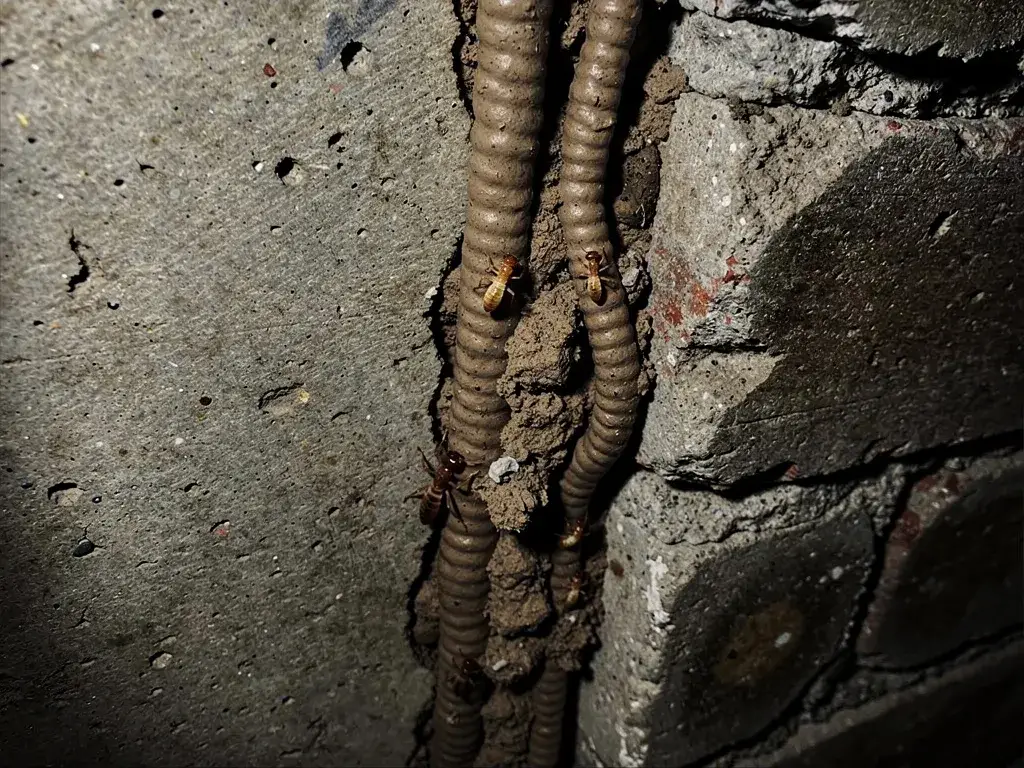
Subterranean termite mud tubes are pencil-sized dirt tunnels built along New Jersey basement foundations, joists, and concrete walls, allowing termites to travel from soil colonies to wood while staying moist. Clearview Pest Control documented active mud tubes in a Freehold, NJ basement, confirming that visible tubes signal a live infestation requiring immediate professional treatment.
Key Takeaways
- Subterranean termites build mud tubes from soil, wood, and saliva to travel between colonies and food sources.
- Active mud tubes indicate a current termite infestation requiring immediate professional pest control intervention in NJ basements.
- Clearview Pest Control, founded in 2020 in Bayonne, NJ, offers 24/7 licensed termite detection and removal services.
- Mud tubes protect termites by maintaining moisture levels essential for their survival above ground in homes.
What Do Termite Mud Tubes Look Like In NJ?
Pencil-width tunnels made of soil and wood mark the clearest visible warning of a termite colony at work. Termite mud tubes NJ homeowners discover most often appear along foundation walls, sill plates, and support piers in basements and crawl spaces. Left unaddressed, these tunnels signal an active feeding highway between the soil and a home’s structural wood. And that damage compounds the longer it goes unnoticed.
Size and location matter when confirming a suspicion. These termite shelter tubes [New Jersey](https://clearviewpestcontrol.com/blog/subterranean-termite-mud-tubes-identification-nj-basements/) properties tend to produce measure roughly a quarter inch to an inch or more in diameter, sometimes thicker where colony traffic runs heavy. Foundations and exterior walls show them most clearly, though basements with older concrete or stone footings hide plenty too.
Why do termites build mud tubes in the first place?
Subterranean termites live underground and travel to wood food sources above ground through these connecting tunnels, sometimes called galleries. The tubes shield termites from open air and predators while they move between colony and structure. Texture gives them away: a blend of soil, chewed wood, and termite saliva creates a rough, earthen surface unlike anything else found near a foundation.
Where should property managers check first?
- Sill plates and floor joists near exterior walls
- Concrete or stone foundation seams
- Support piers and basement corners
Clearview Pest Control travels throughout New Jersey to inspect these areas and confirm activity firsthand.
Why Do Termites Build Tubes In NJ Basements?
Moisture drives the construction of termite mud tubes NJ homeowners discover along foundation walls and floor joists. Subterranean termites cannot survive dry air for long; dehydration kills them quickly. Basements, crawl spaces, and damp sill plates become prime real estate. These insects build narrow tunnels of soil, wood fragments, and saliva to travel safely between underground colonies and above-ground food sources like framing lumber. A Freehold, NJ basement inspection uncovered this exact pattern, with active tubes confirmed after a closer inspection of the foundation.
Are all mud tubes a sign of active termites?
Not necessarily. Some tunnels represent old, abandoned pathways left behind after a colony relocated or died off. Distinguishing active subterranean termite signs basement activity from dormant tubes requires a trained eye. Color, moisture, and texture reveal whether termites still use the structure.
What types of tubes should property managers watch for?
Pest professionals recognize four categories of termite shelter tubes [New Jersey](https://clearviewpestcontrol.com/?p=29763) structures commonly host:
- Exploratory tubes – built upward from soil to search for food sources
- Working tubes – established routes connecting colony to active feeding sites
- Swarming castle tubes – constructed to release reproductive termites
- Drop tubes – extend downward from wood back toward the soil
Each type signals a different stage of colony activity, making early identification critical for property protection.
Found Mud Tubes? What Should NJ Homeowners Do?
Prompt action matters most once termite mud tubes NJ homeowners find in a basement get confirmed as active. Delay allows a colony to keep feeding on structural wood, joists, and framing while the damage stays hidden behind walls and flooring. A Freehold, New Jersey case illustrates the point: after inspectors identified active tubes, the homeowner was informed immediately and chose to upgrade her protection plan so treatment could start without delay.
Should Every Mud Tube Get Treated Right Away?
Not every tube needs immediate treatment, but every tube needs a professional look. Because termite shelter tubes New Jersey properties often show are pencil-sized and cluster around foundations, wood framing, and stone, an untrained eye can miss or misjudge them. Homeowners should avoid breaking tubes open themselves, since disturbing them can scatter the colony without solving the problem.
What Does Effective Termite Treatment Involve?
Treatment for termites reaching a basement floor typically requires drilling into the concrete and injecting a liquid termiticide. This step creates a treated protective zone around the structure that intercepts termites moving between soil and wood.
For New Jersey homeowners spotting subterranean termite signs basement areas commonly reveal, quick response options include:
- Scheduling an inspection instead of disturbing the tubes
- Requesting 24/7 service availability for suspected active infestations
- Confirming the provider carries proper licensing and insurance before treatment begins
Clearview Pest Control remains licensed, insured, and available around the clock for New Jersey properties needing answers fast.
FAQ
What do termite mud tubes look like in NJ basements?
Pencil-width tunnels made of soil, chewed wood, and saliva run along foundation walls, sill plates, and support piers. They measure roughly a quarter inch to an inch or more in diameter with a rough, earthen texture.
Why do subterranean termites build mud tubes?
Termites build these tunnels to travel safely between underground colonies. Above-ground wood food sources while avoiding dry air and predators. Moisture retention keeps termites alive, making basements and damp sill plates prime locations.
Does every mud tube mean termites are still active?
No, some tubes are old, abandoned pathways left after a colony relocated or died off. Clearview Pest Control inspects color, moisture, and texture to confirm active infestations, as documented in a Freehold, NJ basement.
Conclusion
In closing, subterranean termite mud tubes represent a critical warning sign that demands immediate professional attention in New Jersey basements. Early detection and swift intervention prevent extensive structural damage and costly repairs. Clearview Pest Control’s licensed, experienced team provides comprehensive termite inspection and treatment solutions throughout Northern New Jersey, utilizing proven methods to eliminate colonies and protect your property. Contact us today to safeguard your home from these destructive pests.