
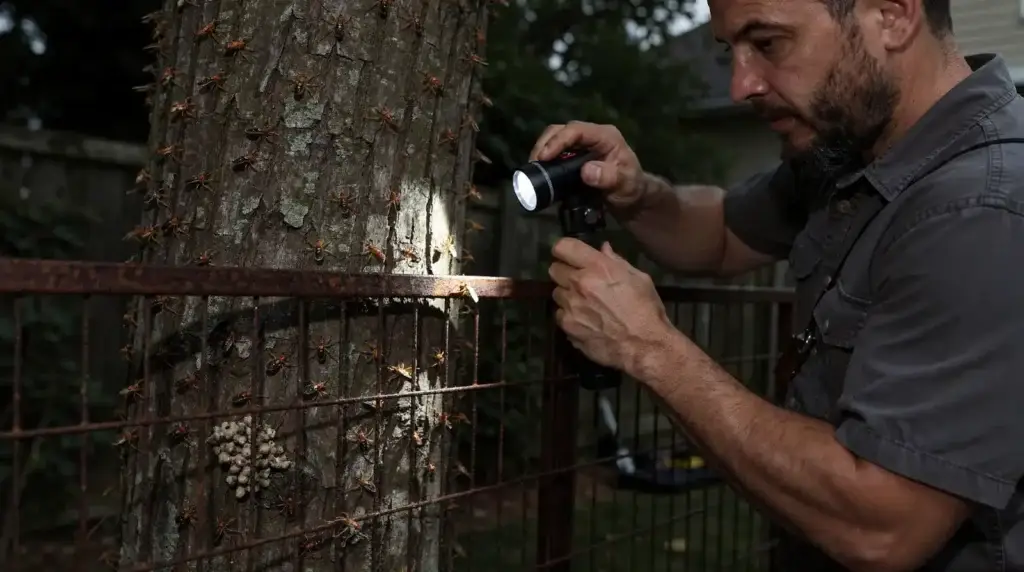

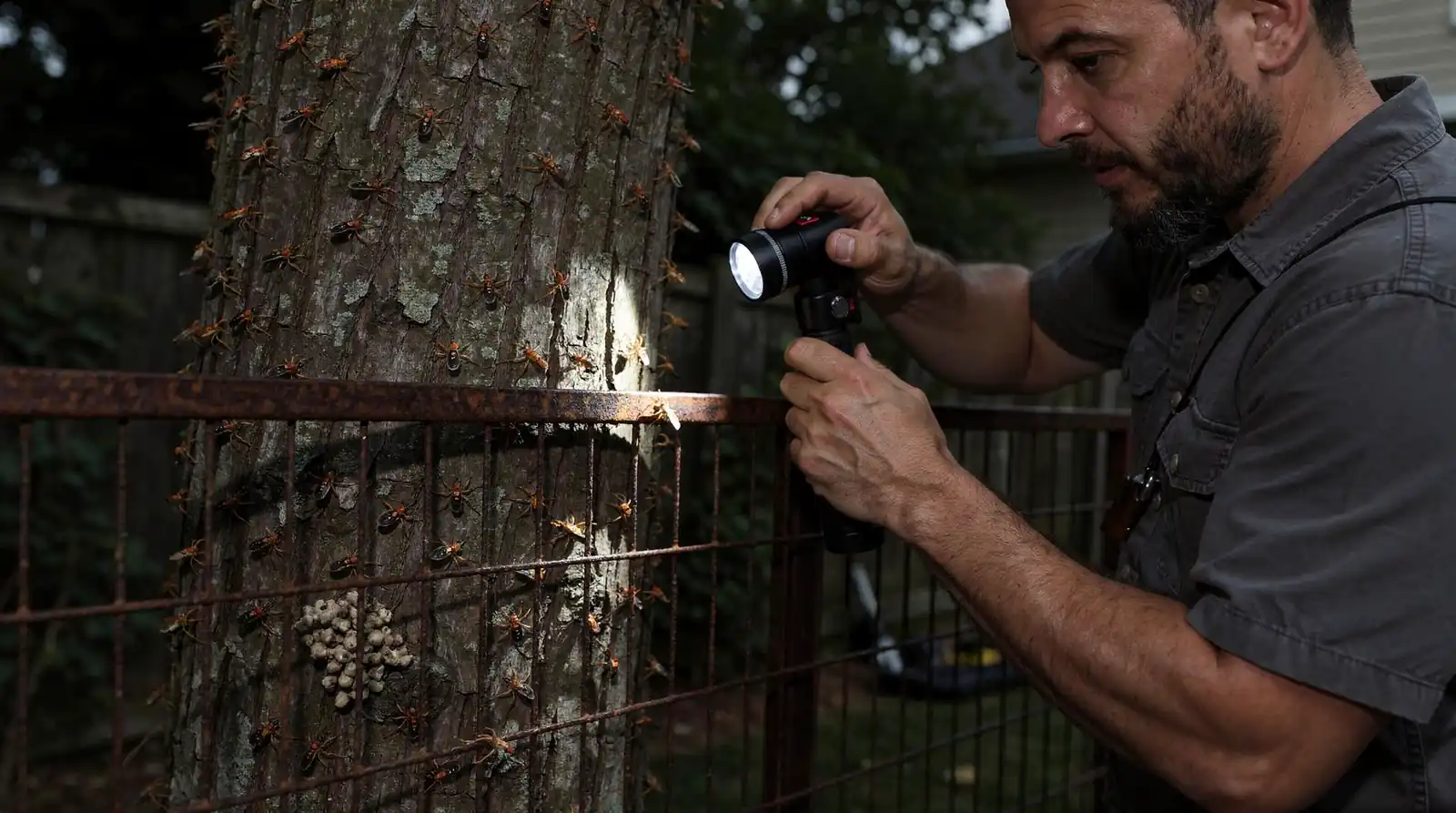
Egg mass scraping requires scraping spotted lanternfly eggs from trees, rocks, and outdoor furniture into a bag of hand sanitizer or rubbing alcohol between fall and spring. New Jersey properties near Hudson, Essex, Bergen, and Union Counties benefit from routine surveys. Clearview Pest Control offers professional inspection. Treatment plans for homeowners searching for how to get rid of spotted lanternflies nj and struggling to control heavy infestations.
Key Takeaways
- Volunteers in Burlington County, New Jersey use scraping sticks to eliminate spotted lanternfly egg sacs before hatching.
- Spotted lanternflies hitchhike on vehicles, trailers, and outdoor items moved from quarantine zones without inspection.
- Homeowners must inspect items before leaving quarantine areas to prevent spreading this invasive insect species.
- Clearview Pest Control, founded in 2020, offers licensed and insured removal services with 24/7 availability in Bayonne.
What Will You Need Before Scraping Egg Masses?
Basic tools handle most scraping jobs: a plastic putty knife or old credit card, a container of soapy water, and gloves. Winter offers the ideal window for spotted lanternfly NJ control. Egg masses survive freezing New Jersey temperatures but haven’t hatched yet. Waiting until spring risks missing the late April to early May hatch, when destroyed eggs no longer help.
What do spotted lanternfly egg masses look like?
Egg masses resemble a smear of dried mud stuck to bark, sometimes stretching up to two inches long. Each one holds between 30 and 50 individual eggs, so a single mass destroyed now prevents dozens of nymphs later. Property owners across Northern New Jersey often overlook these masses simply because they blend into tree trunks so well.
Where should property owners check for egg masses?
Search beyond trees. Spotted lanternfly egg masses New Jersey residents find often appear on vehicles, outdoor furniture, steps, stairways, and building exteriors. A thorough walk-through before scraping saves time and prevents missed clusters.
- Inspect tree trunks, branches, and any nearby firewood piles.
- Check parked vehicles, especially those left outdoors overnight.
- Examine outdoor steps, railings, and building siding.
- Scrape each mass into the soapy water container to prevent survival.
Clearview Pest Control travels throughout New Jersey to assist property owners who need extra support beyond DIY scraping.
How Do You Scrape and Destroy the Eggs?
Scraping destroys spotted lanternfly [egg masses in New Jersey](https://clearviewpestcontrol.com/blog/spotted-lanternfly-control-egg-mass-scraping-nj/) before nymphs ever hatch, cutting off the infestation at its source. A single scraping session, done correctly, prevents dozens of new insects from spreading across a yard, driveway, or nearby park. Winter and early spring, before the late-April hatch window, mark the ideal time to act.
Before picking up a scraper, property owners should survey their own yard and the surrounding neighborhood for egg masses and other life stages. Spotted lanternflies lay eggs on tree bark, outdoor furniture, fences, and even vehicles, so a full walk-around matters more than a quick glance at one tree trunk.
Steps for scraping and destroying egg masses:
- Inspect tree trunks, fence posts, and outdoor equipment for gray, putty-like egg masses.
- Use a plastic card or dedicated scraping tool to elevator the mass off the surface.
- Drop scraped material into a bag or container filled with rubbing alcohol or hand sanitizer.
- Seal and dispose of the bag once the eggs are fully saturated.
Burlington County offers a proven model for this work. Volunteers there have used scraping sticks to clear egg sacs from park trees each winter, stopping hatches before they start. Every mass destroyed, whether by a homeowner or a volunteer crew, reduces populations for the whole community, not just one property.
Should Homeowners Check Vehicles Before Traveling?
Yes, vehicles carry egg masses out of quarantine zones without anyone noticing. Residents should inspect cars, trailers, and outdoor gear before any trip, keep windows rolled up, and avoid parking under tree canopies. This simple habit for spotted lanternfly NJ control stops accidental spread into new towns and counties. Clearview Pest Control supports these household efforts with inspection. Treatment services across New Jersey when infestations grow beyond manual removal.
What Mistakes Should You Avoid After Scraping?
Three errors undo scraping efforts fast: fearful handling, careless vehicle habits, and assuming the job ends after one pass. Spotted lanternflies pose no danger to people or pets, since the insect does not sting or bite humans or animals. New Jersey residents who hesitate to touch egg masses out of fear waste valuable time during the critical winter destruction window.
Vehicles create the next weak point. Parking under tree lines with windows down invites egg masses and hitchhiking insects straight into a car, giving spotted lanternfly a free ride to a new township. This single habit undermines effective spotted lanternfly nj control more than almost any other oversight.
Why does one scraping session rarely solve the problem?
Spotted lanternflies travel as skilled hitchhikers, moving unnoticed on trailers, outdoor furniture, and firewood. New Jersey property owners inside quarantine zones need repeated inspections, not a single sweep.
Common post-scraping mistakes:
- Skipping follow-up checks on trees, fences, and outdoor equipment
- Ignoring vehicles and trailers before leaving a quarantine area
- Treating one scrape as a permanent fix
For persistent infestations, Clearview Pest Control remains available around the clock, offering New Jersey property owners professional support when spotted lanternfly egg masses new jersey-wide keep reappearing.
FAQ
When is the best time to scrape spotted lanternfly egg masses?
Winter through early spring offers the ideal window, since egg masses survive freezing New Jersey temperatures but haven’t hatched yet. Waiting until the late April to early May hatch means destroyed eggs no longer help.
What tools are needed to scrape egg masses?
A plastic putty knife or old credit card, a container of soapy water or rubbing alcohol, and gloves handle most scraping jobs. Scraped material goes directly into the container to prevent survival.
Where do spotted lanternfly egg masses commonly appear?
Egg masses appear on tree trunks, branches, firewood piles, parked vehicles, outdoor furniture, steps, railings, and building siding. A full walk-around of the property and vehicles catches clusters that a quick glance misses.
Conclusion
In closing, spotted lanternfly egg mass removal remains one of the most effective ways to protect New Jersey properties from this invasive pest. By scraping and destroying egg masses during fall and winter months, property owners take direct action against future infestations. Clearview Pest Control stands ready to assist residential and commercial clients throughout Northern New Jersey with professional egg mass removal. Comprehensive pest management strategies that safeguard your property year-round.