

Timing matters when dealing with rats, especially for sealing entry points. Homeowners in Bayonne, NJ often ask whether to seal before or after trapping. This article recommends trapping before exclusion, explains the reasons, highlights risks of premature sealing, and outlines how to locate and properly seal access points to manage infestations and prevent recurrence.
Trapping before exclusion targets the active infestation and prevents accidentally sealing animals inside walls or voids. Trapping first also lets homeowners verify removal through monitoring before sealing openings, reducing the chance of reinfestation.
Clearview Pest Control, a New Jersey pest and wildlife company, specialises in integrated rodent and wildlife management. Their expertise can help Bayonne residents trap and manage rat populations prior to sealing entry points.
Research supports trapping as an effective means to reduce rat numbers and to verify control success before proceeding with exclusion measures.
Effective Rat Trapping: Decreasing Recolonization and Monitoring Success
Compared with other studies, recolonization levels were low. Larger rats were removed first, with the average size of captured rats declining over time. Rat removal produced measurable shifts in foraging height and location of mongooses and mice, indicating control efforts should consider multiple invasive species concurrently. A specially designed trap casing resulted in low non-target capture rates, suggesting the risk to non-target species from snap traps on Hawai‘i and similar islands may be low.
Successful management of invasive rats across a fragmented landscape, DR Leopold, 2021
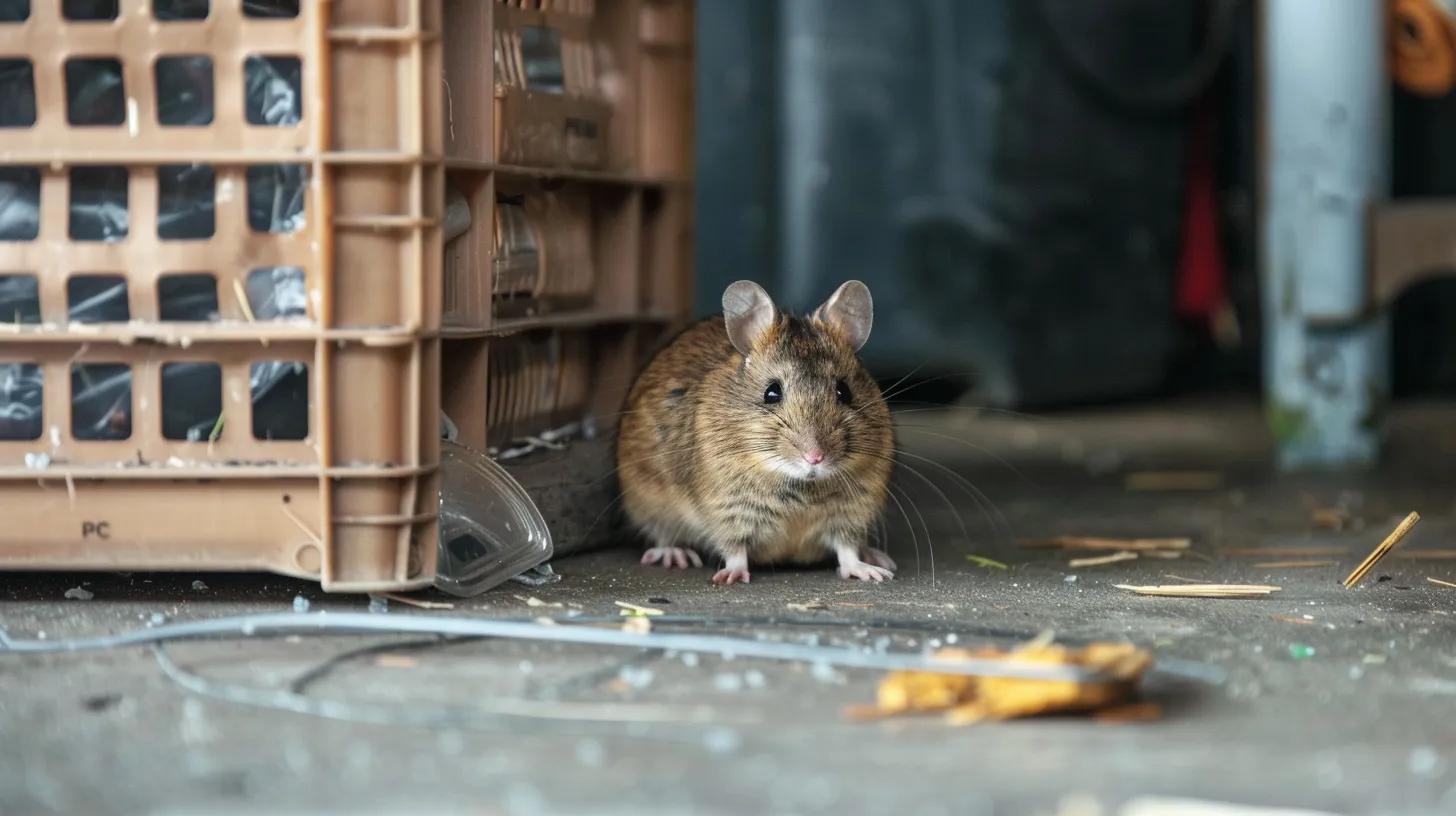
Trapping reduces the risk of accidentally sealing live rats inside walls or voids where they can cause damage or health hazards. Systematic inspection to find runways and nests, combined with regular trap checks and activity monitoring, ensures rodents are removed before sealing access points.
Sealing too soon can entomb rodents, causing decomposition, odour and disease risk. Survivors left behind can reproduce and increase pressure on the property, and remaining rats may escalate gnawing and structural damage while seeking food or escape routes.
Identifying entry points requires a careful inspection for droppings, gnaw marks and nesting materials. Look at common locations such as gaps around pipes and vents, foundation cracks and roof penetrations. Once found, clean and prepare the area so seals last.
Recognising signs of rat activity is essential for timely control. Common indicators include:
Consistent vigilance for these signs enables prompt intervention and more effective remediation.

Choose durable, rodent‑resistant materials and proper installation for long-term exclusion. Recommended options include:
| Material | Effectiveness | Cost |
|---|---|---|
| Steel Wool | High | Low |
| Concrete | Very High | Moderate |
| Rodent-Proof Sealant | High | Moderate |
When installed correctly, these materials substantially reduce re-entry risk. Proper repairs and exclusions are a key part of long-term prevention.
Seal entry points only after a comprehensive trapping programme is finished. Wait at least 24–48 hours after the last confirmed capture and monitor for any additional activity before securing openings to ensure all rodents are removed.
Preventing infestations requires a proactive exclusion plan. Bayonne residents should implement:
Consistent application of these measures reduces the risk of future rat problems. For comprehensive pest solutions, visit Clearview Pest Control’s services.
Integrated rat control services combine inspection, exclusion and monitoring into a coordinated plan. Typical components include:
Clearview Pest Control offers integrated services to Bayonne residents, delivering coordinated solutions for long-term rat management. Effective solutions for rodent control are an important part of property protection.
Repairs and exclusions remove access routes and address vulnerabilities through regular maintenance. Promptly identifying and sealing new entry points prevents re-establishment, protecting the structure and supporting sustained pest-management outcomes.
Following these guidelines helps Bayonne residents manage rat infestations and maintain a safer, healthier living environment.
If you see a rat indoors, secure the area to keep pets and children away and place traps where activity has been documented (droppings, gnaw marks). Avoid indoor rodenticide use because carcasses can be inaccessible and secondary poisoning is a risk. For larger or persistent infestations, hire a licensed pest‑control professional for safe removal. Contact Clearview Pest Control for expert assistance.
Time varies with infestation size, trap type and site conditions. It can take several days to weeks. Continuous monitoring and adjusting trap placement improve capture rates; a systematic approach lowers the chance of incomplete removal.
Sealing holes is essential but not sufficient. Effective prevention combines exclusion with removal of existing rodents through trapping, ongoing monitoring and good sanitation. A comprehensive strategy with these elements gives the best results.
Maintain a rat-free environment by routinely inspecting and sealing entry points, removing outdoor food sources, storing food in airtight containers, and minimising clutter. Conduct regular follow-up inspections and address any signs of activity promptly.
Some natural deterrents can help. Strong scents such as peppermint oil may repel rodents when applied around access points, but rigorous sanitation and removal of food sources are primary deterrents. Ultrasonic devices have variable results and should supplement trapping and exclusion, not replace them.
Noises in walls commonly indicate rodent activity. Inspect for droppings, gnaw marks and other evidence, and place traps where activity is suspected. If noises persist or an infestation is found, retain a pest-control professional for a thorough assessment and targeted control.
Effective rat management in Bayonne, NJ relies on trapping before sealing entry points. That sequence confirms removal, reduces health hazards and supports durable exclusion. Implementing the practices described here will lower the risk of future infestations; for tailored advice, contact a qualified local pest-control service such as Clearview Pest Control in Bayonne.