
Mosquitoes are more than a nuisance: they carry health risks and can curtail outdoor living. This guide for Bayonne, NJ residents describes clear signs of infestation, the main health threats from mosquito‑borne pathogens, and practical, humane control options so you can act early and protect your household.
Look for sudden increases in mosquitoes, repeated bites when outdoors, and any standing water near the property—these are the most reliable indicators of a local breeding population.
Primary indicators of a mosquito infestation include:
Early detection enables targeted action before populations expand.
Mosquitoes transmit several pathogens and represent a public health concern. Locally relevant illnesses include West Nile virus and Eastern Equine Encephalitis (EEE); Zika is also recognized where travel or local conditions allow. These infections can be serious for young children, older adults, and other vulnerable groups.
The mosquito‑borne diseases of concern include:
Understanding the risks helps you prioritise prevention and control.
Integrated approaches that combine habitat modification, targeted treatments, and ongoing monitoring work best. Professional services can tailor programs to site conditions. Integrated Pest Management (IPM) reduces reliance on broad‑spectrum pesticides and focuses treatments when and where they are most effective.
For Bayonne residents, Clearview Pest Control offers humane, environmentally responsible options such as:
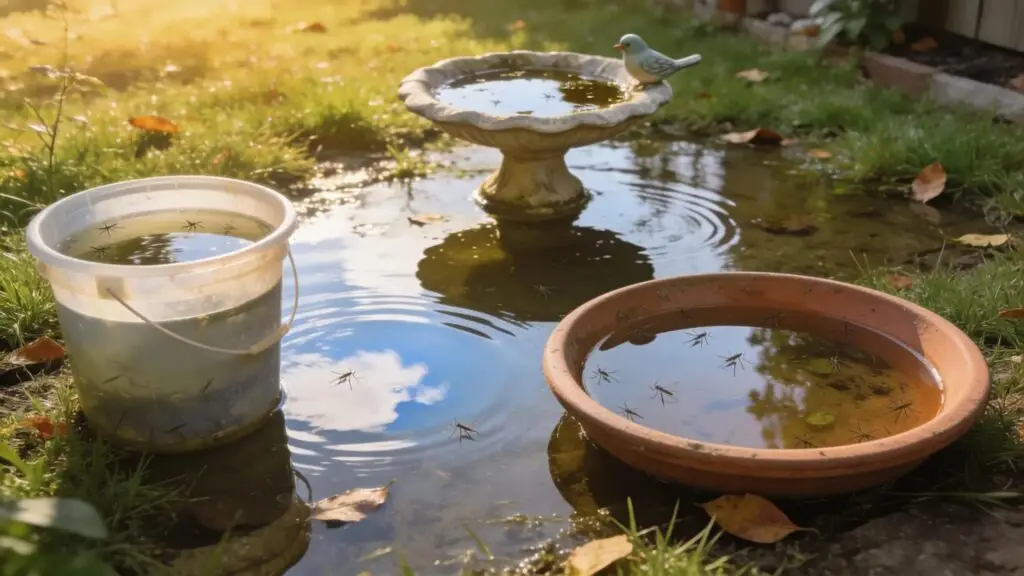
Identifying common local species—such as the Asian tiger mosquito and the common house mosquito—helps you select appropriate controls. Typical breeding habitats include:
Focusing on these habitats helps prioritise source reduction and treatment.
Warm temperatures, high humidity, and proximity to water bodies (rivers, ponds, marshes) increase mosquito abundance. Urban heat islands can create microclimates that favour survival and breeding.
Key conditions to monitor include:
Monitoring local weather and nearby water sources helps anticipate seasonal increases.
Bite reactions typically cause itching, redness, and sometimes swelling; a small number of people have stronger allergic responses. Common bite symptoms include:
Monitor symptoms and seek medical care for severe or spreading reactions.
Local mosquito species can transmit illnesses that pose notable risks. The most significant pathogens in the region include:
Awareness of these diseases supports preventive measures to reduce bite exposure.
Most bites are managed at home. Common measures include:
For severe, spreading, or systemic symptoms, seek professional medical assessment promptly.
Humane, eco‑focused methods reduce mosquito numbers while limiting environmental impact. Effective strategies include:
These methods complement targeted professional treatments for sustainable control.
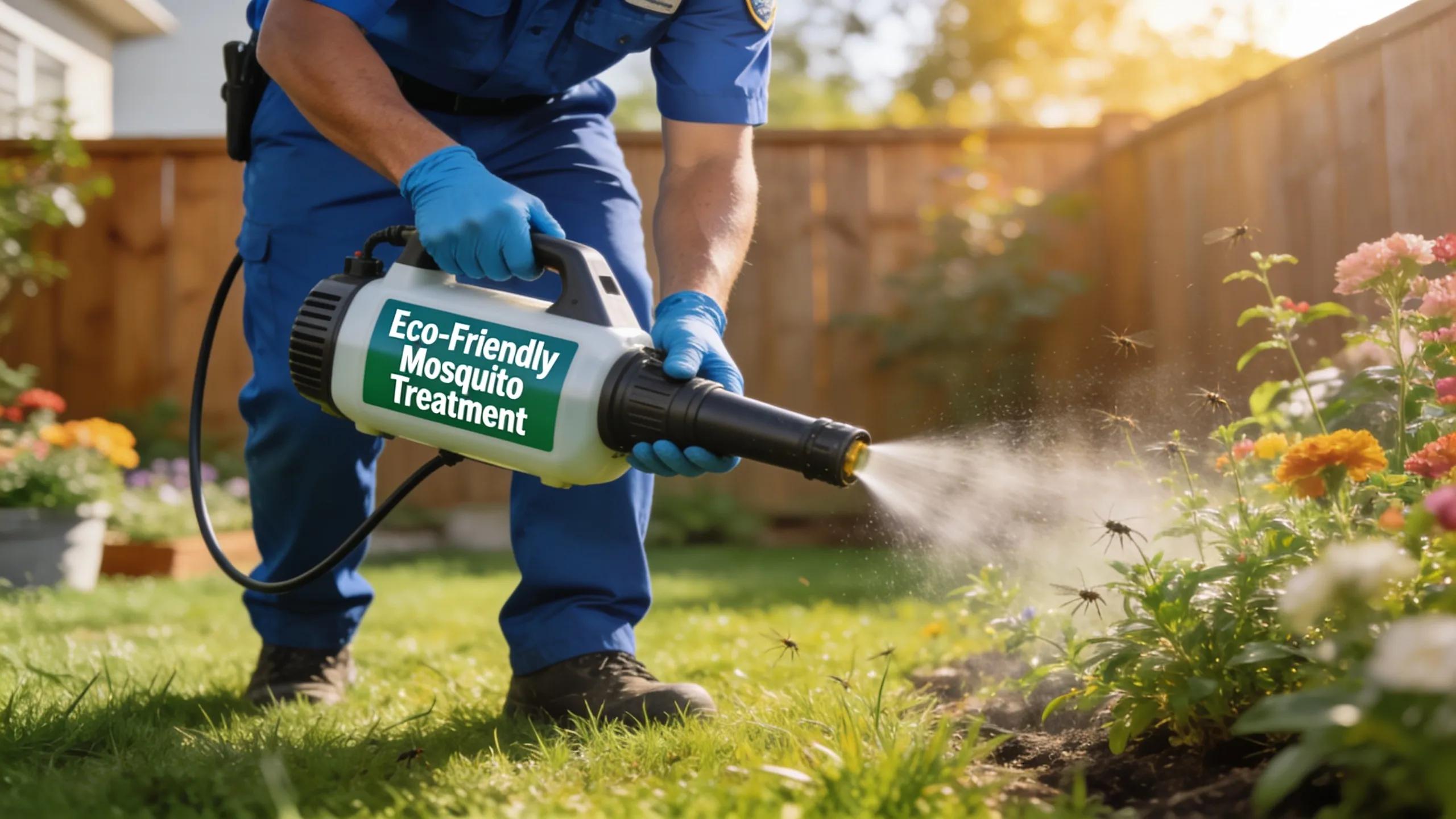
Clearview uses targeted treatments and eco‑friendly products to manage mosquitoes while reducing risks to non‑target species. Their approach concentrates efforts on high‑activity areas and uses products selected for environmental safety.
Prioritising humane techniques achieves effective control with lower environmental risk.
Eco‑focused treatments offer clear benefits:
These advantages make environmentally responsible treatments a sound choice for homeowners.
Fixing drainage, sealing entry points, and other structural measures reduce both breeding and indoor entry. Recommended interventions include:
Addressing structural vulnerabilities makes properties less favourable to mosquitoes. Learn more about Repairs and Exclusions offered by Clearview Pest Control.
Preventive building measures are effective and straightforward:
These exclusions reduce indoor infestations and improve comfort.
Regular inspections are key. Use technology, when available, to locate hidden standing water (e.g., behind structures or under debris) and apply source reduction and larviciding as needed.
UAVs for Mosquito Breeding Site Identification in Urban Areas
Identifying mosquito breeding sites is a primary challenge in vector control. Unmanned aerial vehicles (UAVs) can serve as an efficient complement to manual inspection because of their mobility and capacity to bypass physical obstacles; in urban environments they can deliver close‑up imagery of potential breeding sites that are difficult to access. Choice of unmanned aerial vehicles for identification of mosquito breeding sites, FV Aragão, 2020
Recommended steps include:
Consistent property management reduces the chance of mosquito establishment and rapid population growth.
Apply treatments at dawn or dusk when adults are most active; targeted applications then increase contact with mosquitoes while limiting exposure of beneficial insects and humans. Always follow product labels and manufacturer instructions. Contact Clearview Pest Control for expert scheduling guidance.
Protect pets with veterinarian‑approved repellents, keep them indoors during peak activity (dawn and dusk), ensure window and door screens are intact, and remove standing water from the yard. Consult your vet about additional protections.
Some natural agents (citronella, eucalyptus, lavender oils) and certain plants (marigolds, basil, rosemary) can deter mosquitoes locally, but they generally do not match the effectiveness of registered repellents. Use natural options as supplementary measures with proper precautions.
Warm temperatures, high humidity, and rainfall increase mosquito development and activity by creating more breeding sites and favourable conditions. Cold weather reduces survival. Monitor local weather to anticipate seasonal changes.
Community coordination—public education, neighbourhood clean‑ups, and joint control programs—substantially lowers mosquito abundance. Partnerships with local health departments improve surveillance and response.
Teach recognition of mosquito signs, encourage use of EPA‑registered repellents, wearing long clothing during peak times, and routine property checks for standing water. Involving children in clean‑ups reinforces prevention habits.
Managing mosquitoes in Bayonne, NJ protects health and preserves outdoor living. Identify infestation signs early, prioritise source reduction and humane controls, and consult local pest professionals for site‑specific programs. Contact Clearview Pest Control to discuss services tailored to your property and reduce mosquito exposure.