
Environmental concerns have increased scrutiny of humane wildlife control. This article explains the commitment to eco-friendly wildlife management, summarizes humane removal techniques and their alignment with environmental safety standards, and reviews ethical and ecological considerations. Readers will see how these approaches are applied in practice and the specific methods used by Clearview Pest Control to achieve humane outcomes.

Eco-friendly wildlife control prioritises minimizing harm while managing populations. Commonly used Integrated Pest Management (IPM) focuses on prevention, monitoring and targeted interventions to reduce chemical treatments. Low‑toxicity products and natural deterrents limit environmental contamination and help protect local ecosystems.
Clearview Pest Control offers humane, eco-conscious pest and wildlife services, including removal and exclusion for nuisance species such as voles, squirrels, skunks and raccoons. These practices address immediate concerns and support long‑term environmental health.
| Eco-Friendly Method | Description | Environmental Impact |
|---|---|---|
| Integrated Pest Management | A holistic approach that combines various strategies for effective pest control. | Reduces chemical use and promotes biodiversity. |
| Low-toxicity Products | Use of environmentally safe chemicals that minimize harm to non-target species. | Protects local wildlife and ecosystems. |
| Natural Deterrents | Employing natural substances to repel pests without causing harm. | Maintains ecological balance and reduces pollution. |
These methods illustrate how sustainable practices enable coexistence between people and local wildlife.
Ethics are core to humane wildlife removal. Removal and relocation strategies prioritise animal welfare and aim to reduce unnecessary stress. Compliance with local regulations further ensures that wildlife and public interests are protected.
Clearview adheres to humane standards and encourages clients to choose services that reflect a commitment to animal welfare and respectful human‑animal interactions. Learn more about our approach on the About Us page.
Humane pest control benefits the environment beyond single removals. Preserving ecosystems and reducing chemical runoff supports long‑term environmental health and biodiversity, which are vital for resilient ecosystems. Lower chemical reliance improves soil and water quality, benefitting wildlife and people.
Humane removal is defined by criteria that prioritise animal welfare. These include:
Applying these criteria ensures wildlife control remains effective and compassionate.
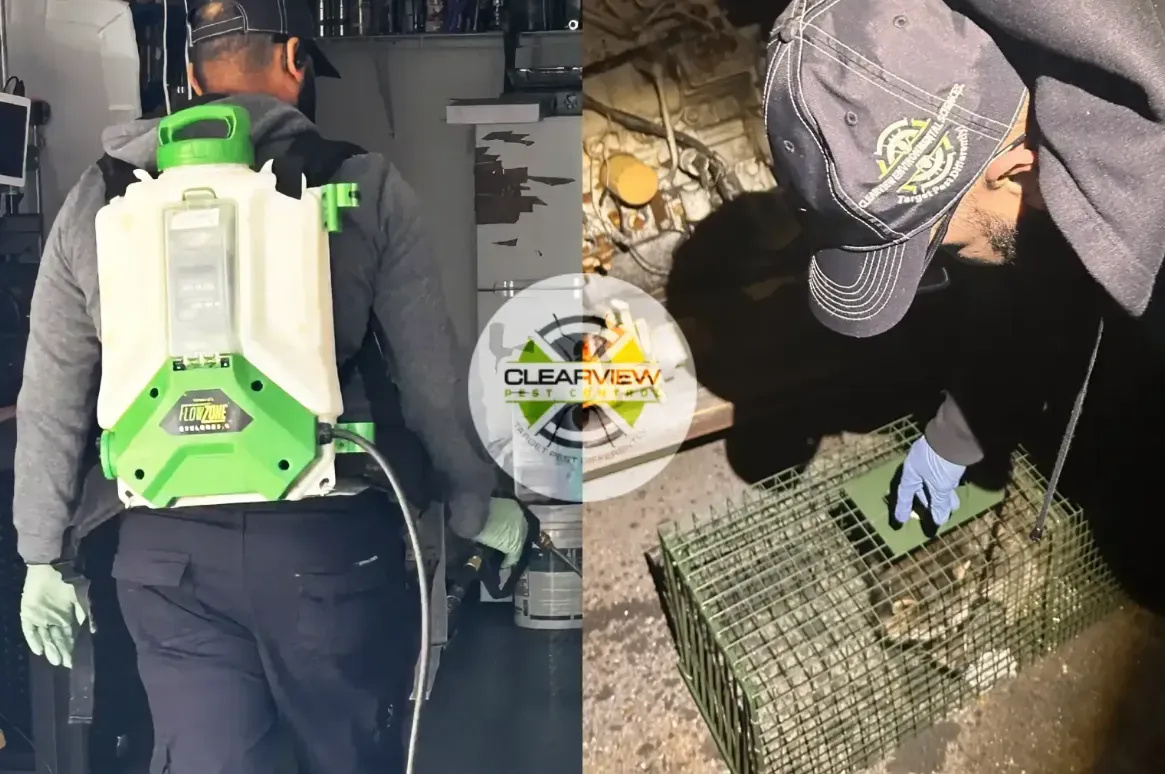
Humane trapping seeks to capture animals without injury or undue distress, typically using live traps that allow safe relocation. Key aspects include:
When carried out to best practice, these techniques enable population control while upholding humane standards.
Clearview uses a range of humane removal techniques:
These steps form a comprehensive strategy that balances effectiveness with animal welfare.
Eco‑friendly solutions reduce dependence on harmful chemicals and apply sustainable practices. Key benefits include:
Such commitment addresses immediate pest issues and supports broader environmental health.
Practices that reduce ecological impact include:
Adopting these measures supports responsible, sustainable wildlife control.
Sustainable management delivers:
These advantages show the practical value of sustainable approaches.
Clearview applies several strategies for humane exclusion:
This structured approach demonstrates a commitment to humane treatment and sustained performance.
Common repairs include:
These proactive repairs help maintain a wildlife‑resistant property.
Exclusion methods aim to prevent harm and respect welfare. Key elements are:
These principles ensure exclusion conforms to recognised welfare standards.
Clearview’s commitment is reflected in:
Together, these elements demonstrate ethical wildlife control and environmental stewardship.
Testimonials commonly note:
These comments provide practical evidence of Clearview’s effectiveness. Read more on our homepage.
Industry trends show increased interest in eco‑friendly pest management:
Providers must adapt to evolving preferences and regulations.
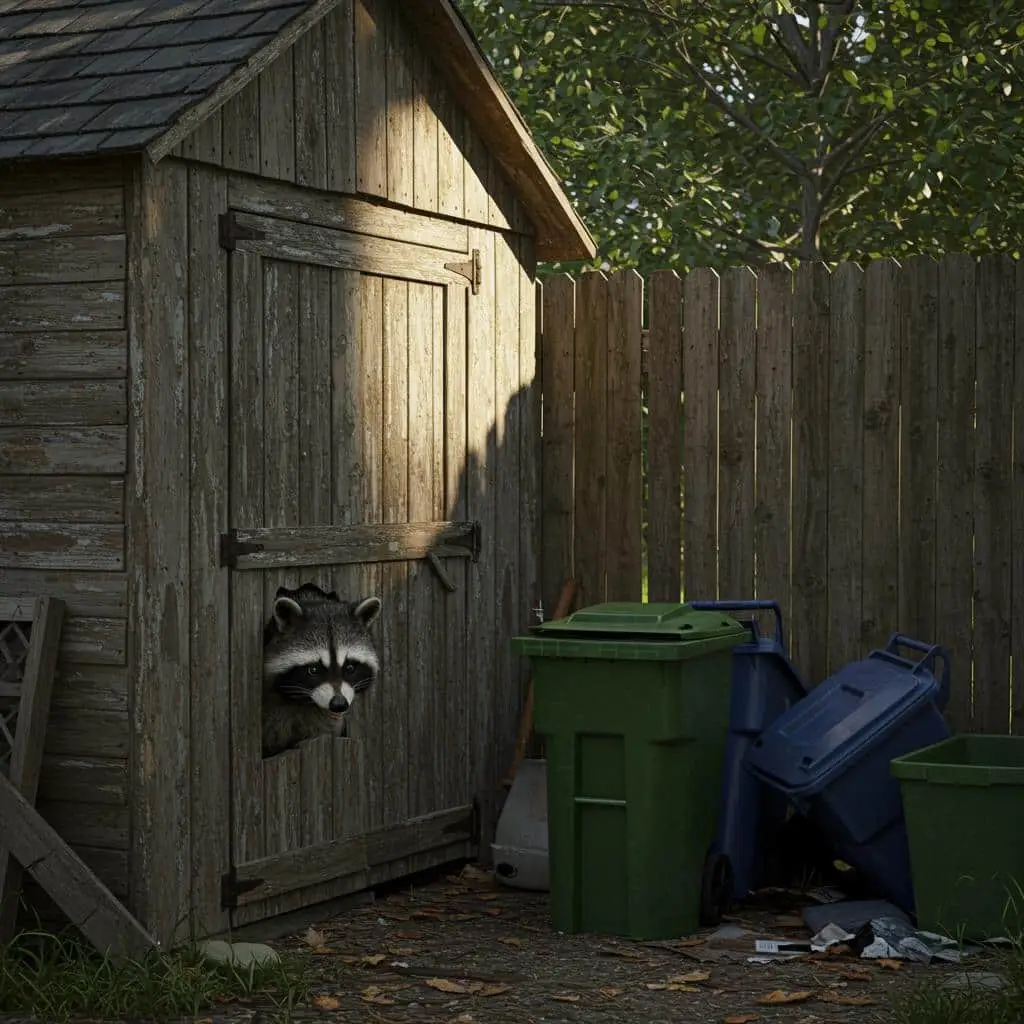
Eco‑friendly methods apply to common nuisance species such as raccoons, squirrels, skunks and voles. When live trapping and natural deterrents are used correctly, animals can be relocated safely without undue harm. See our services for raccoon control, squirrel removal, skunk removal, and vole removal.
Homeowners help by sealing entry points, keeping outdoor areas tidy to reduce attractants, using approved natural deterrents, and hiring humane pest control services when needed. Learn about our full range of services to support your efforts.
Humane methods preserve ecosystems, promote biodiversity, reduce hazardous chemical use, and improve soil and water quality—supporting healthier, more stable environments over time.
Yes. Local, state and national regulations govern humane wildlife control. Compliance ensures activities meet legal and ethical standards; homeowners should check relevant rules when arranging services. Clearview operates in multiple areas; see our Areas We Serve for details.
Clearview uses pet‑safe baits and targeted exclusion techniques to avoid collateral harm, follows humane protocols, and selects low‑toxicity products to reduce risk to non‑target species and domestic animals.
Education encourages responsible behaviour, broader adoption of sustainable practices, and empowers residents to take preventive steps and seek humane solutions to conflicts. Visit our blog for educational resources.
Research local providers specialising in eco‑friendly pest management, review certifications and customer feedback for humane practices, confirm regulatory compliance, and seek recommendations from neighbours or wildlife organisations. Check our Areas We Serve to see if we serve your location.
Adopting humane wildlife control protects animal welfare while supporting ecological balance and sustainability. Selecting eco‑friendly methods contributes to healthier environments and effective pest management. Clearview Pest Control offers services aligned with these principles, combining humane treatment with environmental stewardship. Contact Clearview to learn how their solutions can help maintain a wildlife‑compatible property.